
80kW Ground-Mounted System with Room to Double Battery Capacity
Summary
Installing an off-grid solar system before construction is complete can be worth it, but only if the system is designed around future loads rather than current ones. This Allendale property used that window to run conduit, size the electrical room, and choose a Sigenergy platform that supports modular battery expansion — starting at 50kWh with a clear path to 100kWh. The trade-off is that pre-construction sizing is harder without knowing the home's final energy use, so an experienced designer is essential.
Building the Energy System Before the House Exists
The owners of this property in Allendale wanted the off-grid power system ready before construction finished. They knew the completed home would include large electrical loads and future electric vehicle charging, so the system needed to be sized for where they were heading rather than what was on site today.
That’s a much easier decision to make during construction than trying to expand an undersized system later.
Off-grid systems are often installed after the house is built. This project took the opposite approach.
An 80kW Ground-Mounted Solar Array Ready for Long-Term Growth
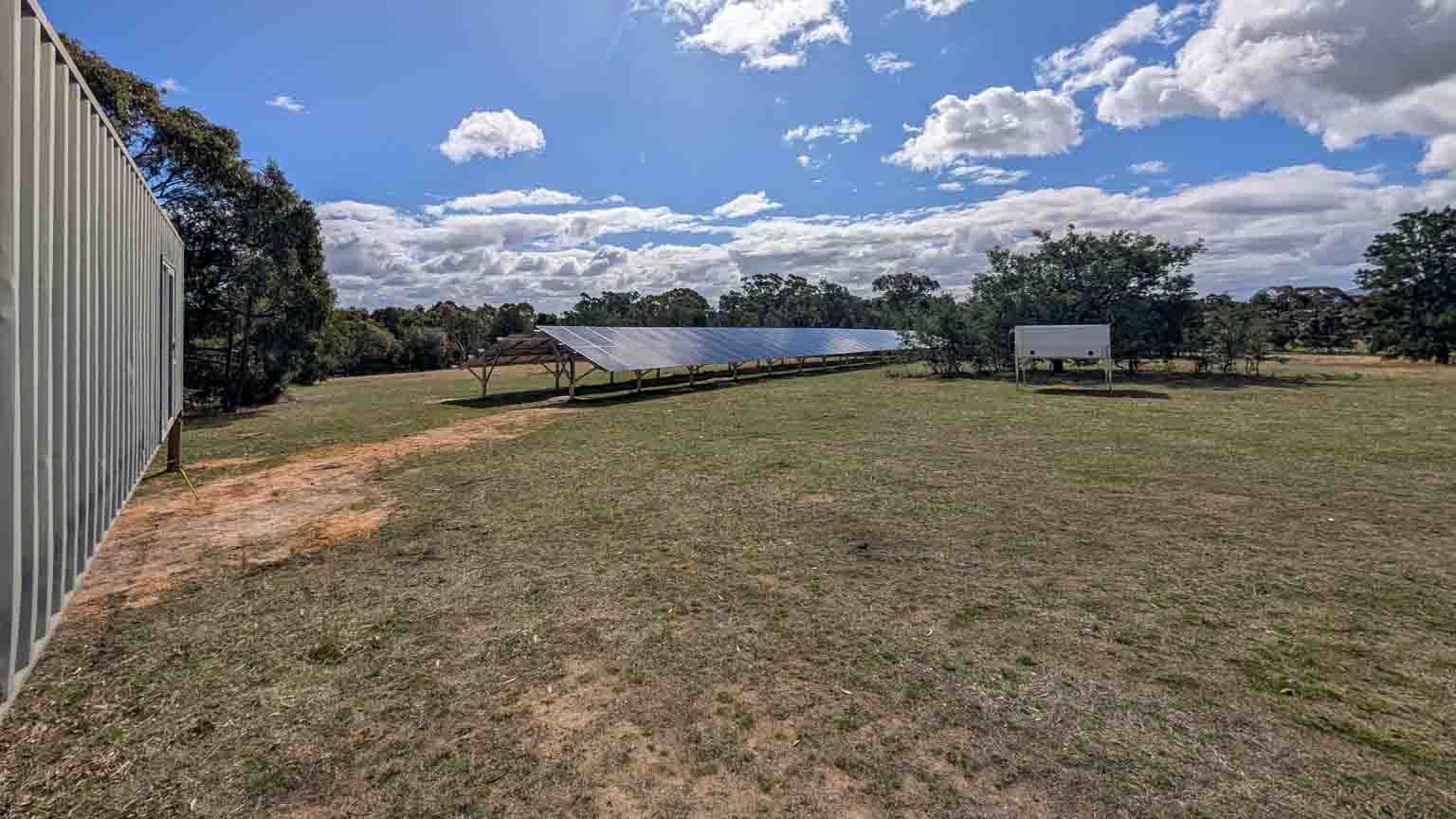
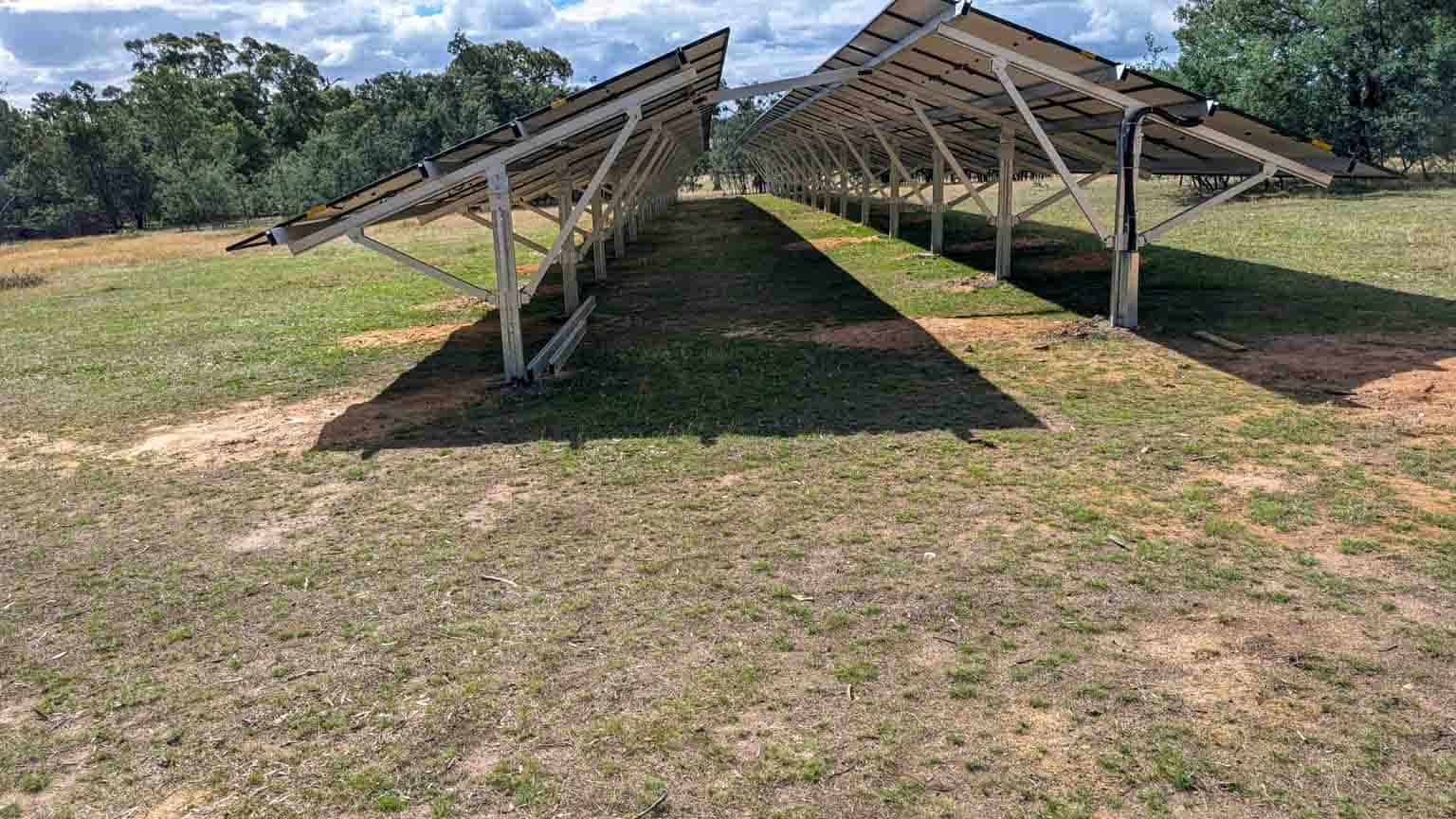
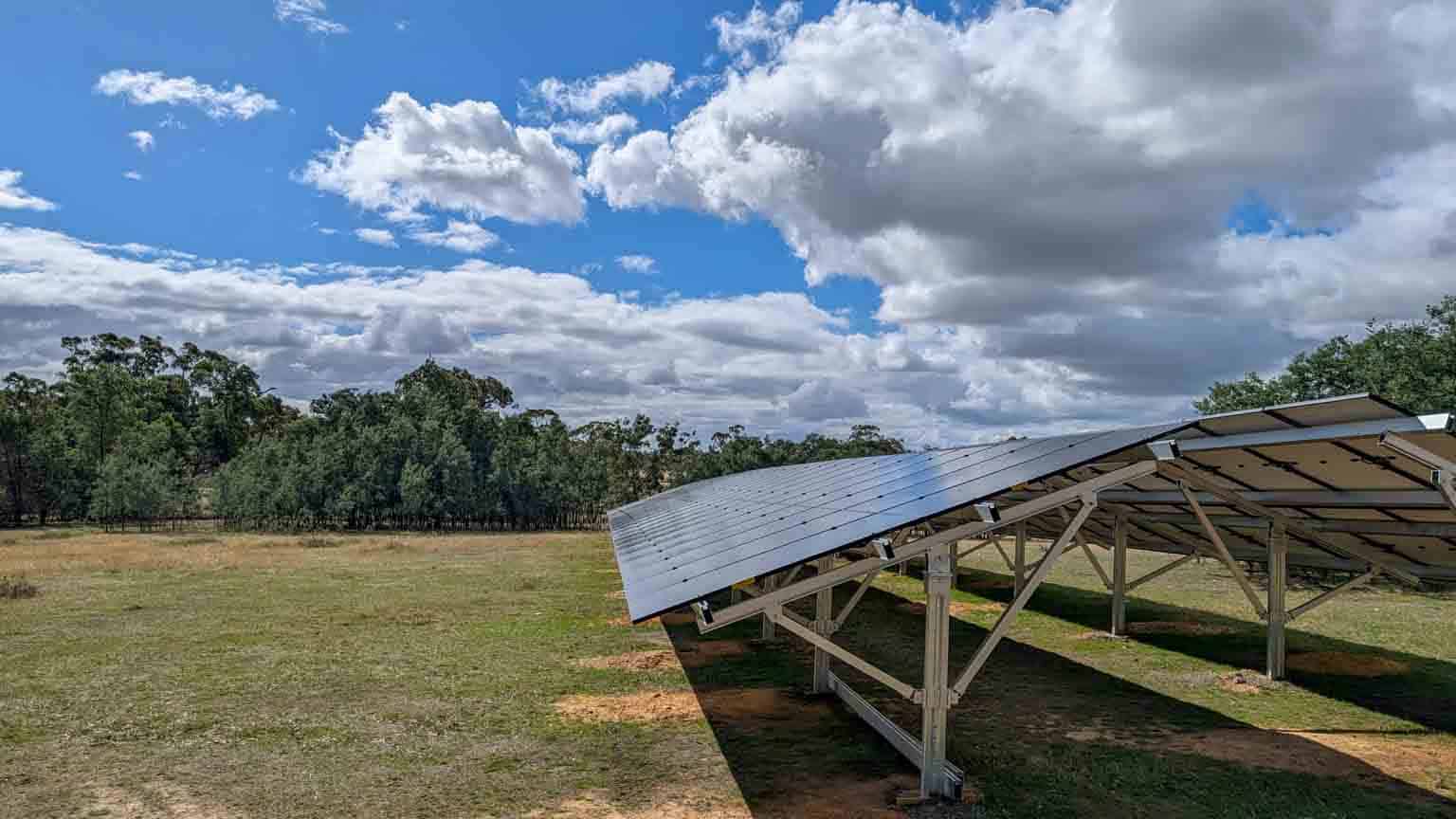
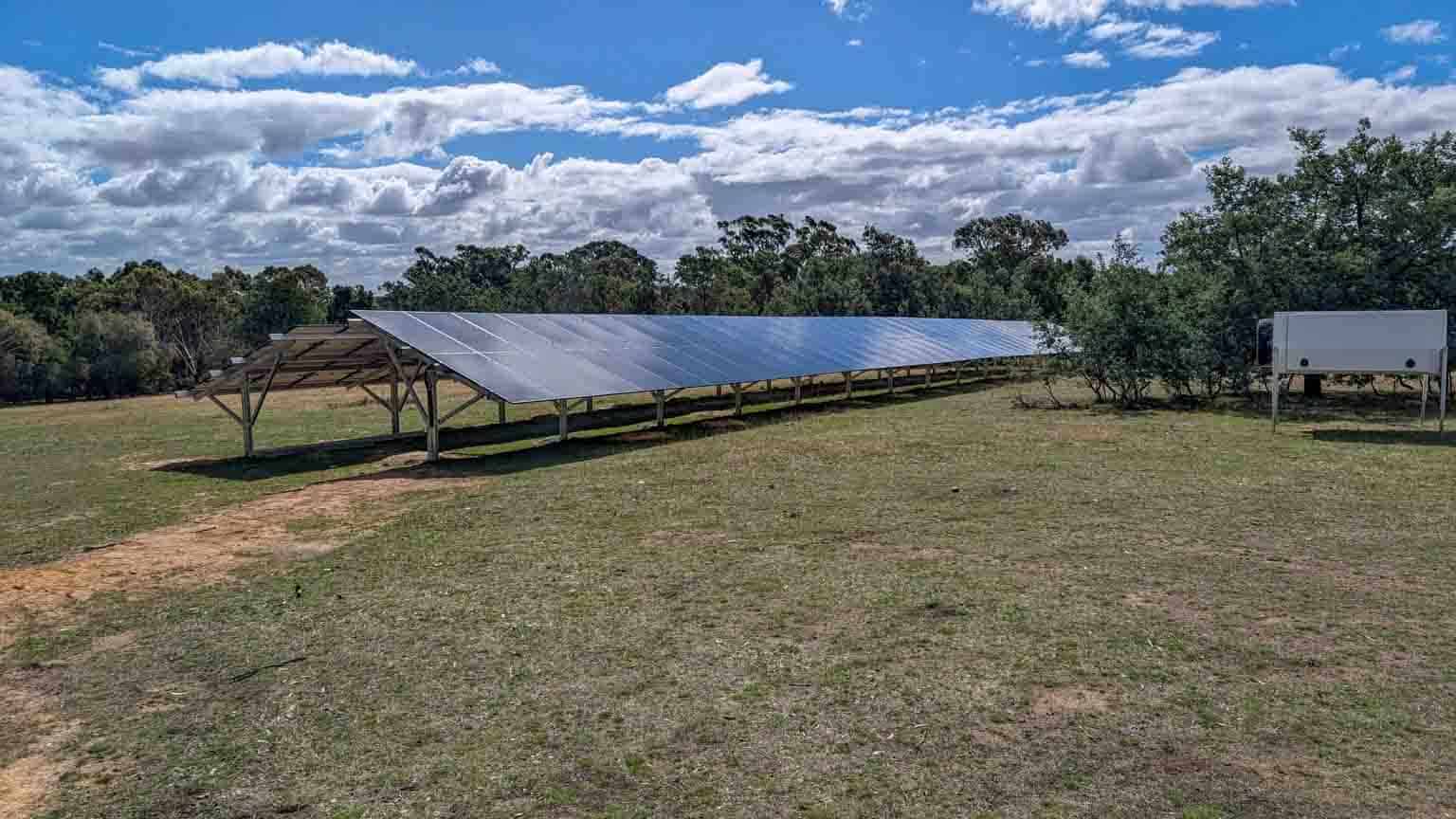
The heart of the installation is a ground-mounted solar array made up of 160 Aiko 510W panels, delivering a total array capacity of 81.6kW.
Ground mounting gave the property plenty of room to optimise panel orientation while keeping the array separate from future buildings.
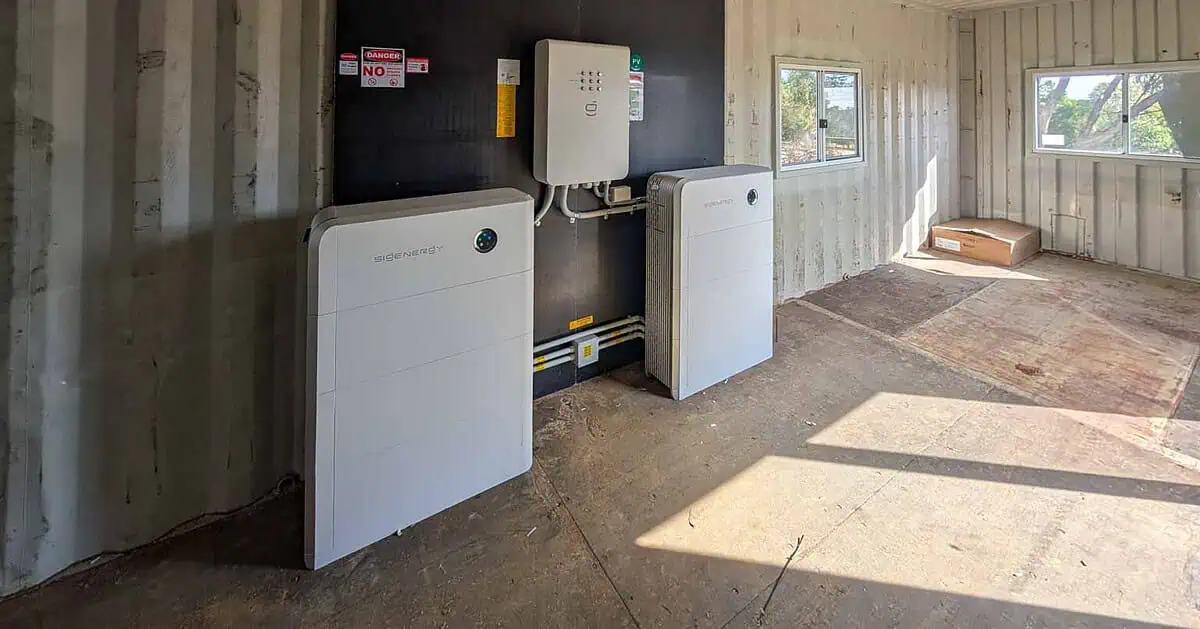
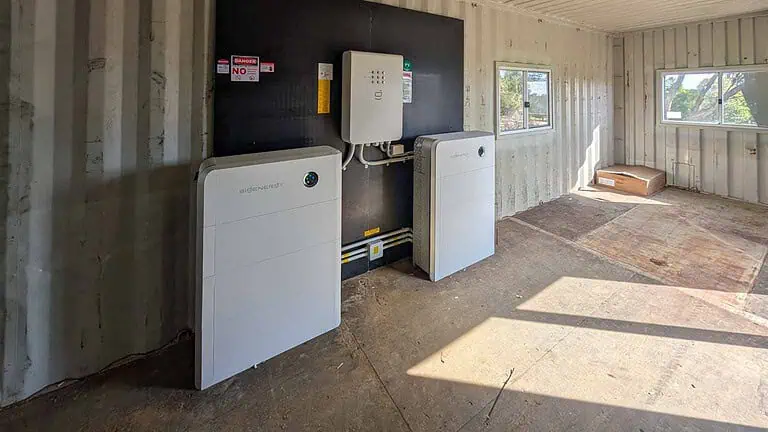
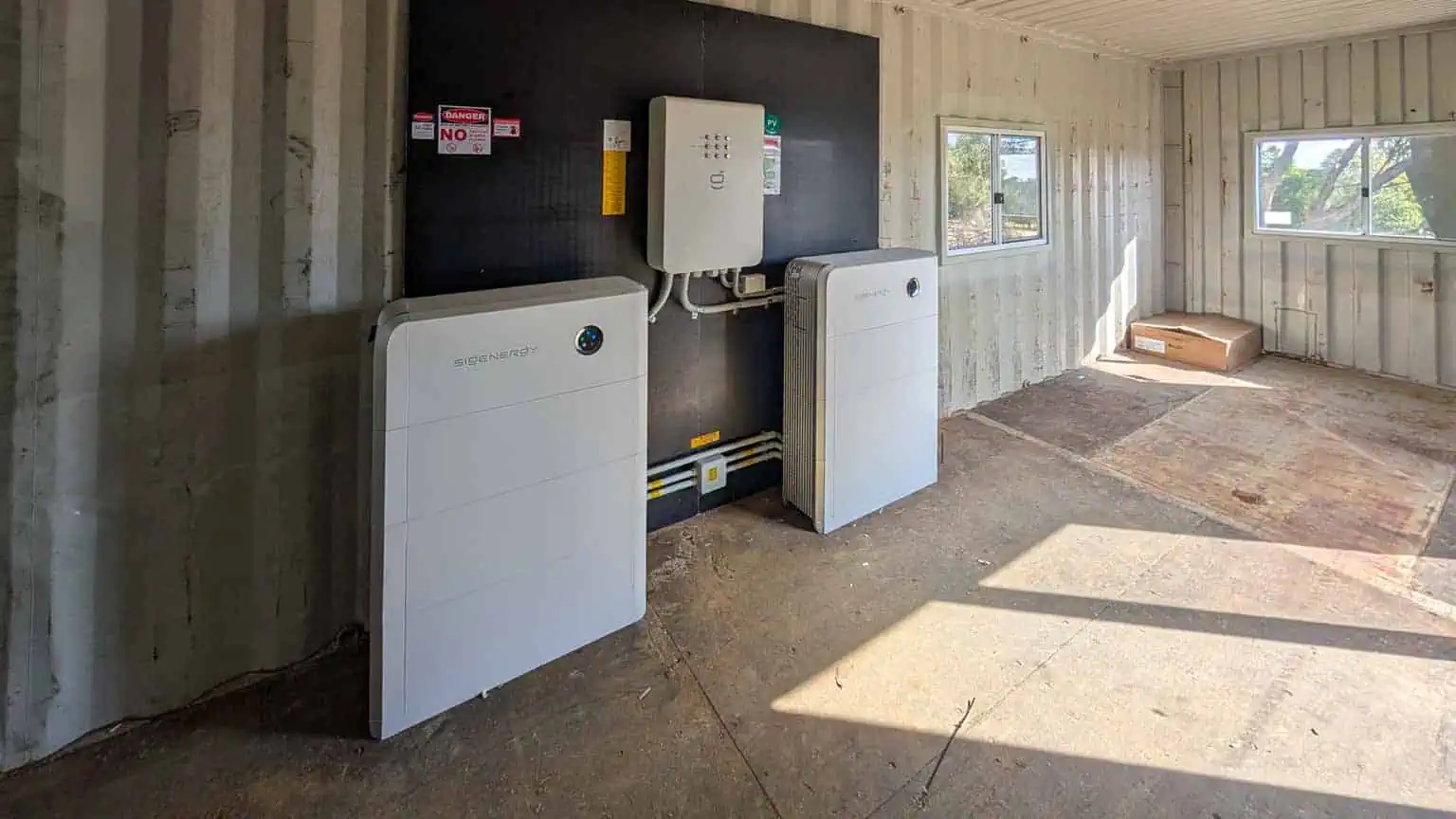
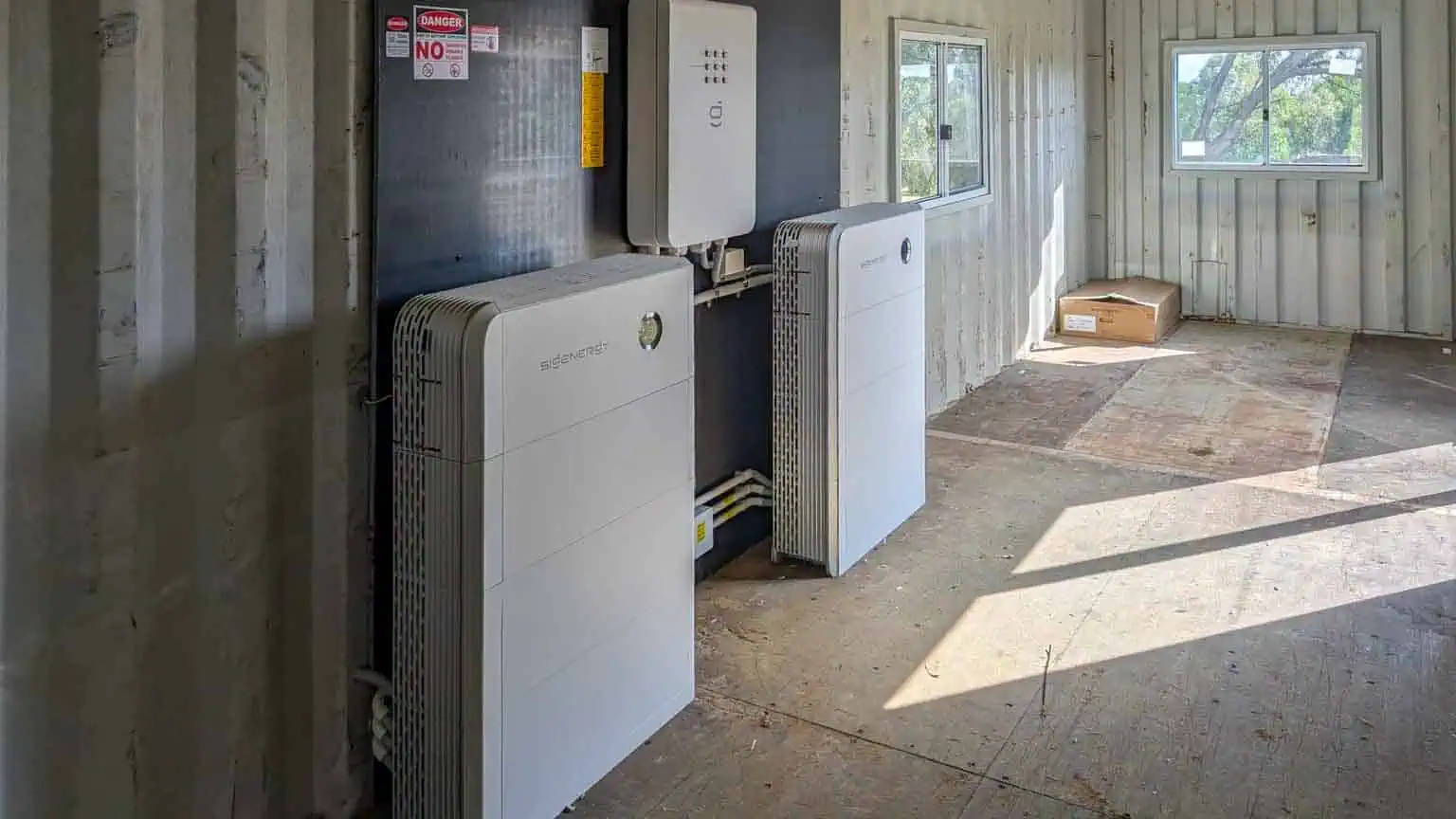
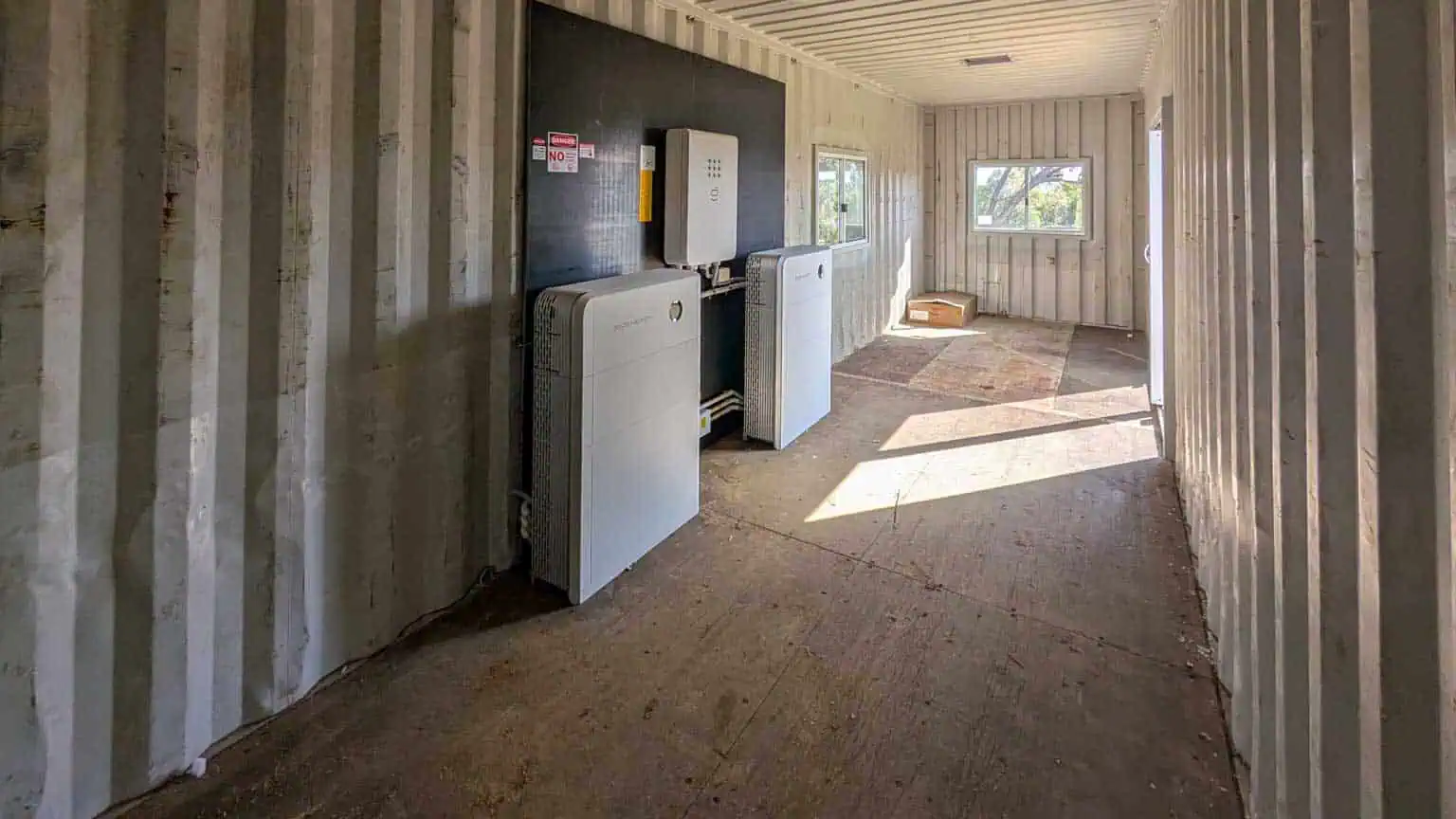
Inside the equipment room are two Sigenergy 30kW three-phase inverters paired with a 50kWh Sigenergy battery bank.
The battery system has already been planned with expansion in mind.
Rather than replacing equipment in the future, the owners will increase storage capacity from 50kWh to 100kWh as the property’s energy demand grows.
Everything has been sized to accommodate the finished home, not just the current construction phase.
Designed for High Electrical Loads and EV Charging
This off grid solution is built around reliable energy availability. The owners wanted the flexibility to run high-load appliances whenever required while also charging electric vehicles as they become part of daily life. Energy limitations or feeling restricted in usage was not an option for this Creswick Family.
That meant designing enough solar generation, inverter capacity and battery storage to support those future demands from day one.
Instead of treating battery expansion as an afterthought, the Sigenergy platform allows additional storage to be added as the household grows.
Off Grid Design Planning for battery expansion upgrade
Installing an off-grid system before the home is complete creates opportunities to plan for future growth. It allows the electrical infrastructure to be designed once, with expansion already built into the system.
That can include:
- Running additional conduits while trenching is already underway.
- Allowing wall and floor space for extra battery cabinets.
- Sizing the electrical room for future equipment.
- Selecting inverter platforms that support modular battery expansion.
The goal isn’t to install everything on day one. It’s to avoid expensive rework later.
For this project, the initial installation includes 50kWh of battery storage, with a planned upgrade to 100kWh as the home’s energy demand increases. The core infrastructure has already been designed to support that expansion, making the future upgrade straightforward without redesigning the system.
Is it better to install an off-grid system before construction is complete?
It depends. Installing an off-grid system during construction can make it easier to design the home around the power system instead of retrofitting it later. That usually means cleaner cabling, better equipment locations, and efficiencies for installation costs.
For off-grid homes, it also means designing in clear upgrade paths from day one. You’ll want to consider running extra conduit, allow space for additional batteries and inverters, and size the electrical room for future expansion. Even if you don’t install the full system on day one, having the infrastructure in place makes future upgrades much simpler and more economical.
On the flip side, the home’s final energy use isn’t always known, so installing too early can make system sizing more challenging. Pre-construction off-grid systems need an experienced designer who understands the property’s solar resource, likely future loads, and how the system can expand over time. Not every battery and inverter platform scales easily, so planning the upgrade path from the beginning can avoid expensive changes later.