

5kW Off Grid System Upgrade
Outdated Off-Grid System Upgraded for Simplicity, Performance, and Flexibility
See the Project
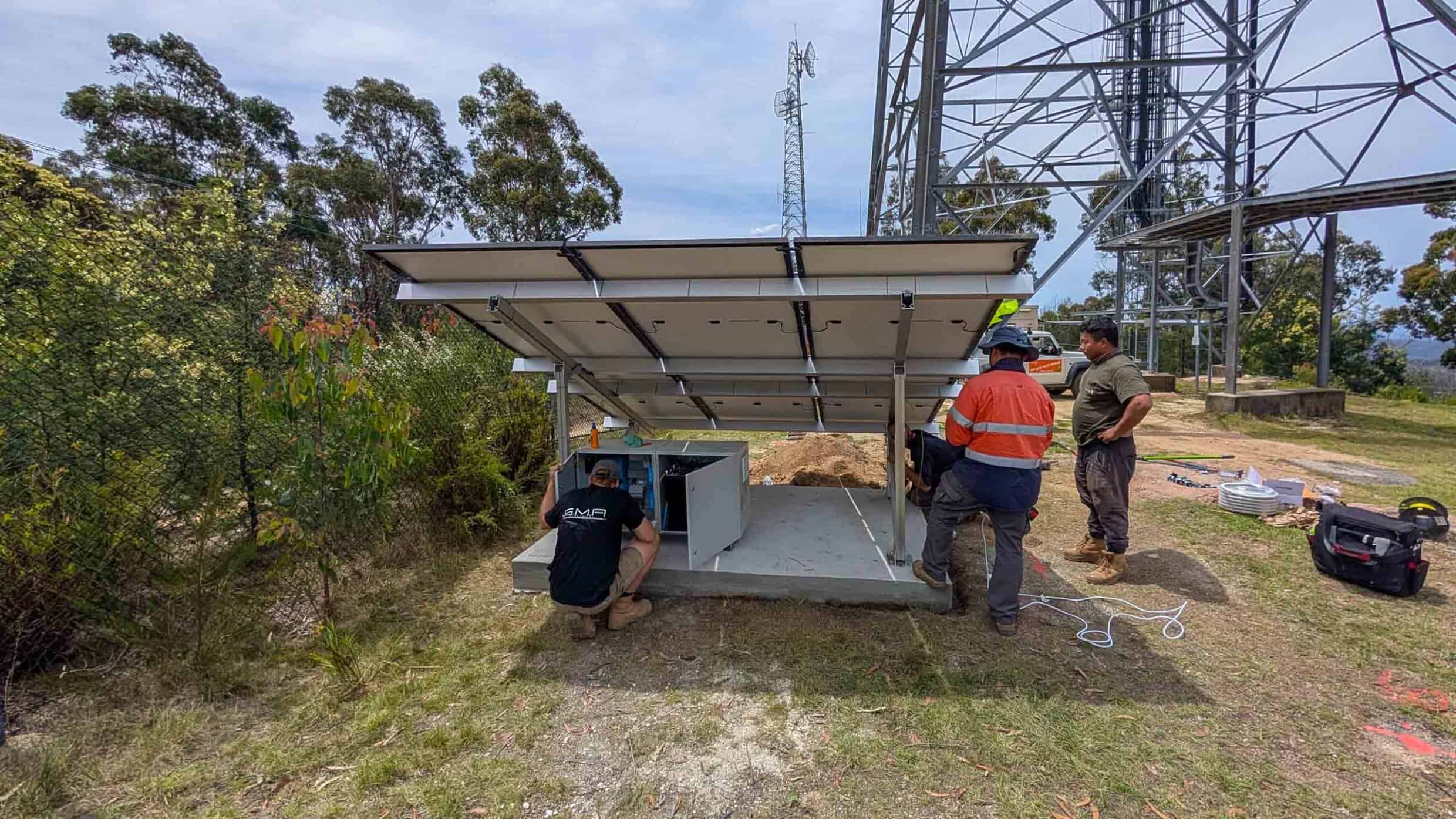
Is your system struggling, or due for an upgrade? We find the cause first. Then we help you decide if a repair is worth it.
Repair or upgrade?
Often it is. A fault code or a flat battery doesn’t always mean new gear.
The cause is often small. A loose terminal. A setting that was never right. One weak panel pulling down the whole solar panel system. We test first, so you only pay to fix what’s actually broken.
You get a written report on system performance. It shows what has failed, what is worn but still fine, and what each fix costs.
Who we help
The batteries are flat by morning. They used to get you through.
They hold less each year. You want to know if lithium solar batteries are worth it.
Summer is fine. June and July are a struggle, or the generator runs a lot.
The solar inverter shows a code. You’re not sure if it’s serious.
More people, solar hot water, a heat pump or an EV. The system was built for a smaller load.
You don't know how it was sized. Best to find out before your first winter.
How we find the fault
We diagnose in this order because it rules out the most causes, fast. The screen shows where a fault ends up. It doesn’t always show where it started.
Example only. A system sized for winter should carry you through a run of dull days without the generator. Drag across to compare the low point with the sun coming back.
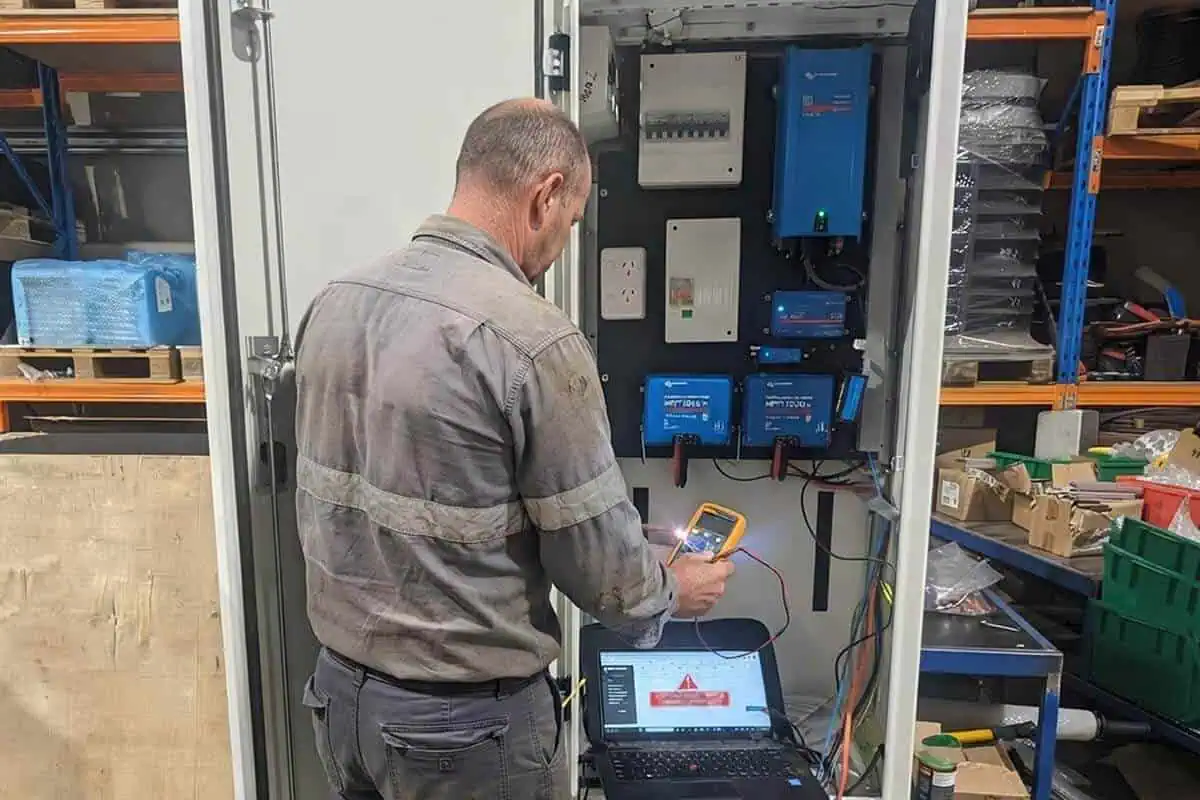
We test each string. We look at voltage, current, shade and dirt. We find any panel damage that drags the others down. If a panel needs replacing, that’s part of our solar panel repairs service.
We compare the charge current to what it should be. We check the batteries reach full each day.
We test voltage under load, cell balance and the battery logs. Then we compare what it holds now to what it held new.
We check fuses, isolators and terminals. Loose or rusty terminals cause more faults than broken parts do.
We look at what the system was set up to do. Then we check what it is doing now.
Earth fault warning, a burning smell, a swollen battery or a hot terminal? Turn the system off and call us on 1300 489 152. These are safety issues. For other faults, you can usually keep running while we get to you.
Before winter
Send us your system details. We’ll check them against a cold, grey week in the middle of winter. You’ll know if it can cope before you need it to.
Recent upgrades
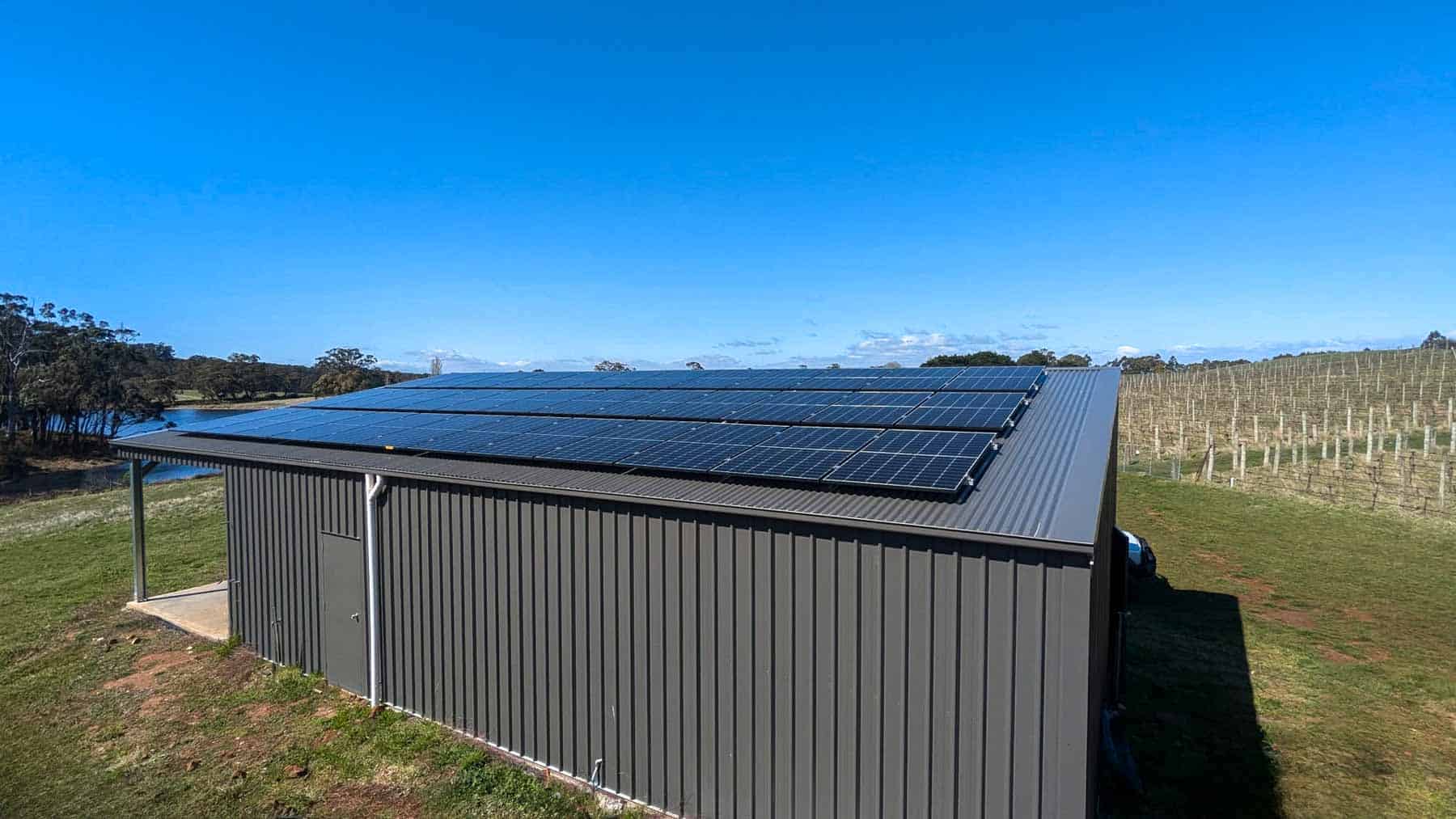
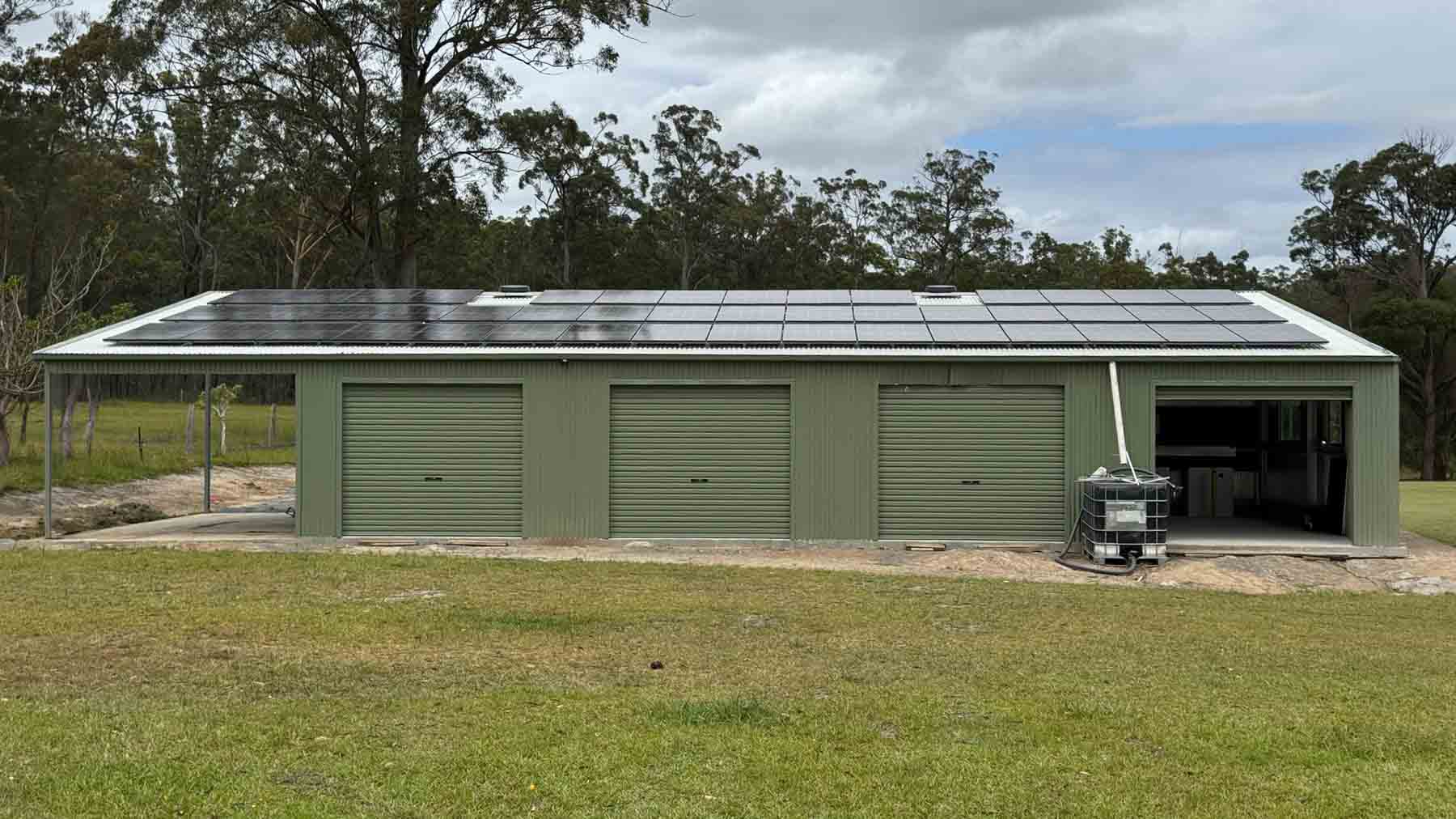
Each job started with a test of the old solar and battery system. Some parts stayed. Some were replaced.


After the test
It comes down to the age and condition of your gear, and whether the system was sized right for how you live now. There’s no one solar solution that suits every property.
When one part has failed
When one part has failed. The rest of the system is sound. We fix or swap the part that failed. This is usually the cheapest path.
When you've outgrown it
When you’ve outgrown it. The system works but can’t keep up. We add panels or batteries, or move you to a platform you can keep adding to.
When it no longer suits the property
When the solar solution no longer suits the property. The gear is old, parts are hard to get, or it was sized wrong from the start. More repairs would cost more than they save.
Cost
It depends on where you are and what we need to test. If your system is online, we can often start with a remote check. For properties far from Ballarat, that can save a trip.
We tell you the cost of the visit before we come out. Your report then lists a price for each fix, so you can choose what to do first.
Questions
Watch for these:
Inverter issues and panel issues can look the same from the house. A test tells you which one it is before you spend money on parts.
Yes. A lot of our repair work is on systems we didn’t install.
Tell us the solar brands you have and what the system is doing. We work across most inverter, battery and panel brands. If a part is no longer made, we’ll tell you what will work with the rest of your system.
Loose or corroded terminals cause more faults than broken parts do. After that, we often see:
Many of these are cheap to fix once you know where to look. That’s why we diagnose first and repair second.
Repair it if one part has failed and the rest of the system is sound. That’s usually the cheapest path.
Upgrade it if the system works but can’t keep up. We can add batteries or panels, or move you to a platform you can keep adding to.
Replace it when the gear is old, parts are hard to get, or it was sized wrong from the start.
We test first. Then you get a price for each option, and you choose.
Once a year is a good rule. Before winter is the best time.
A preventative maintenance check covers the panels and inverter, the batteries, the wiring and the settings. Clean the panels when dust, bird droppings or leaves build up.
If your system is online, we can look at its data before we visit. That can save a trip.
You can’t tell from the display. A balance problem and a dead cell look the same on the screen.
It takes a load test and cell voltage readings to tell them apart. The fix for each is very different in cost, so it’s worth testing before you buy new batteries.
Usually not. The exceptions are an earth fault, over-temperature, a burning smell, a swollen battery or heat at a terminal. Turn the system off for those and call us on 1300 489 152. They are urgent repairs.
For other codes, tell us the code and the brand. We’ll tell you where you stand.
All electrical work is done by licensed electricians and Clean Energy Council accredited installers from a small group we trust.
We’re based in Ballarat and work across regional Victoria, on home and business systems.
Get help
No fault code? That's fine. Tell us what has changed, the brands you have and any errors. We'll work out where to start.

Fred reads every enquiry himself. He's the one who designs, installs and looks after 100UP systems.