Three-Phase Off-Grid Power for a Working Farm and Home
Summary
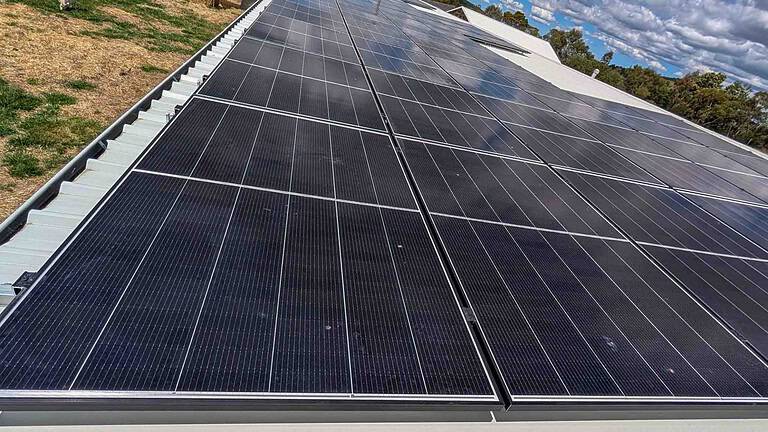
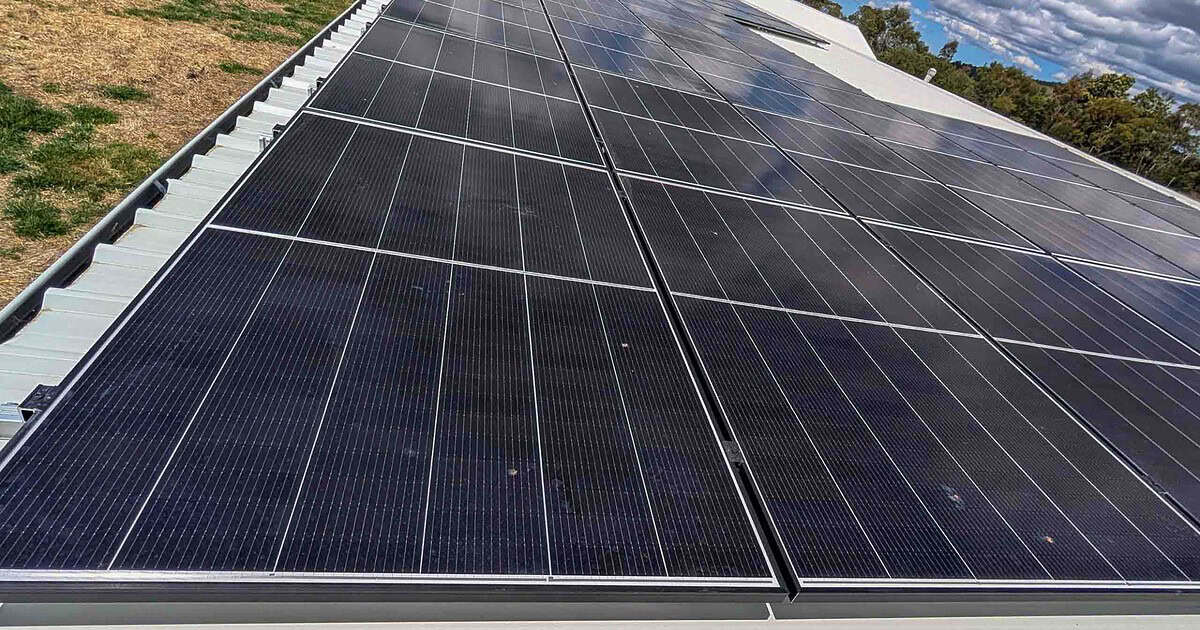
This Ingliston farm runs on 40kW of three-phase power from two 20kW Sigenergy inverters, paired with a 57kW rooftop array of 120 panels and 72kWh of battery storage across eight SigenStor modules. A 12kW DC EV charger is built into the system, letting the property charge a vehicle straight from its own solar supply. The setup covers both household and farm equipment loads without a grid connection.
40kW Three-Phase Off-Grid Solar System in Ingliston, Victoria
Dual Sigenergy inverter system with 57kW of solar panels, 72kWh of battery storage and integrated DC electric vehicle charging for a rural farm and home.
100UP installed this three-phase off-grid solar system on a rural property in Ingliston, near Ballarat, Victoria.
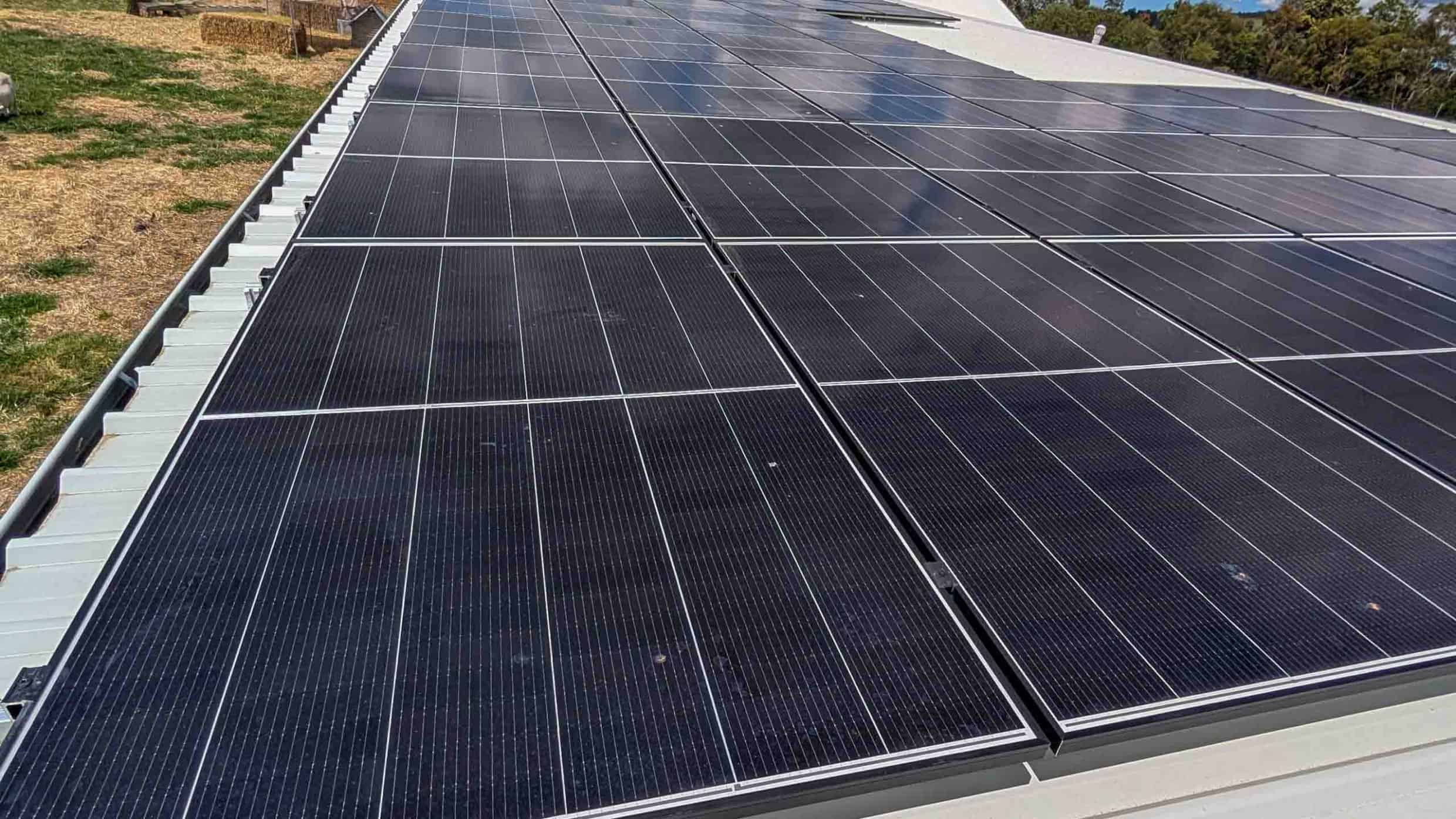
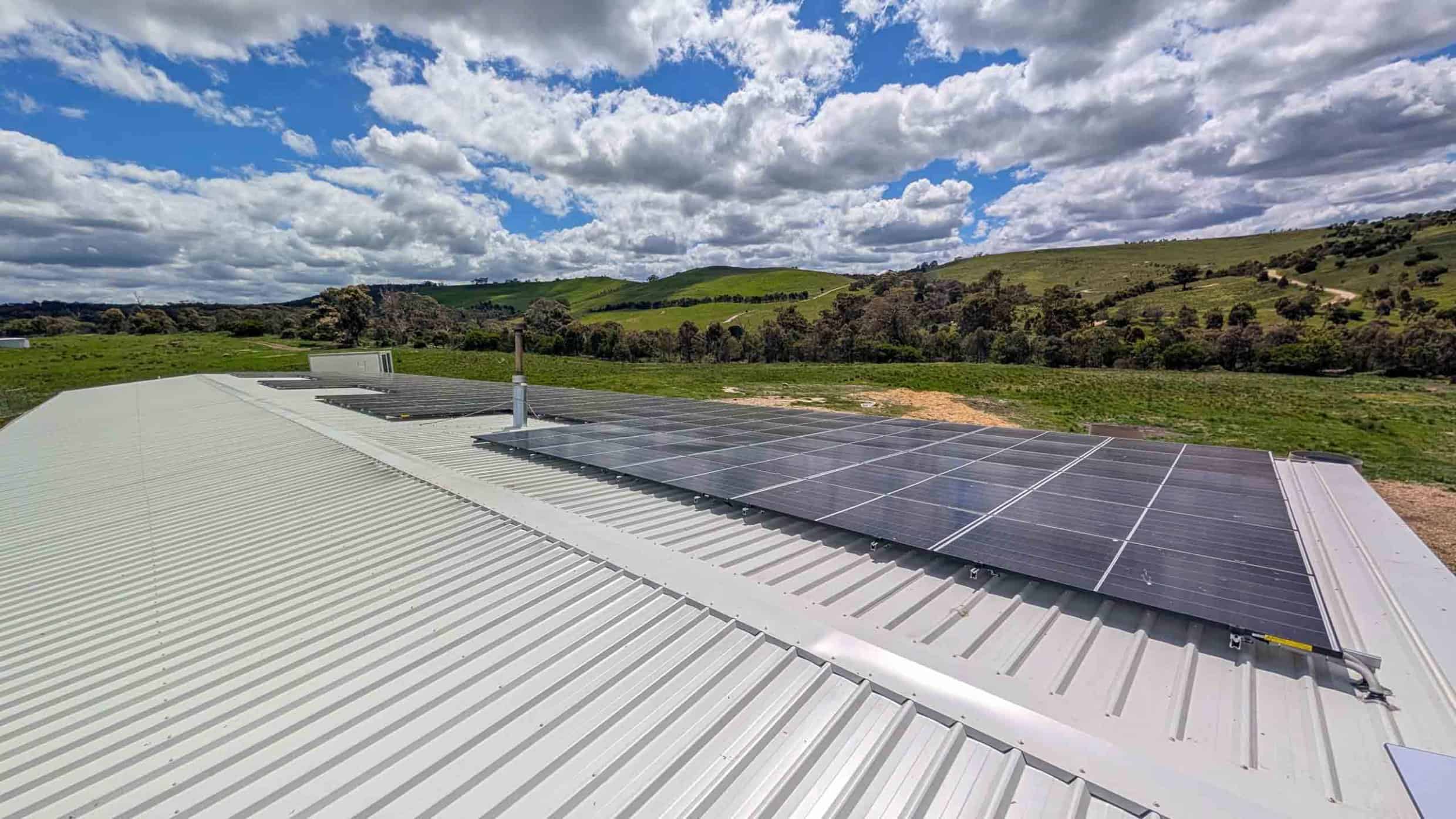
The system combines two 20kW Sigenergy inverters, 72kWh of lithium battery storage and a substantial 57kW rooftop solar array made up of 120 panels.
Designed to supply electricity for both the farmhouse and farm operations, the installation provides 40kW of combined inverter capacity to support higher electrical loads. A 12kW DC electric vehicle charger is also integrated into the system, allowing the property owners to charge an EV using their off-grid energy supply.
Three-Phase Power for a Farm and Home
Rural properties can have higher electrical demands than a typical household, particularly when farm equipment, machinery and residential appliances need to operate at the same time.
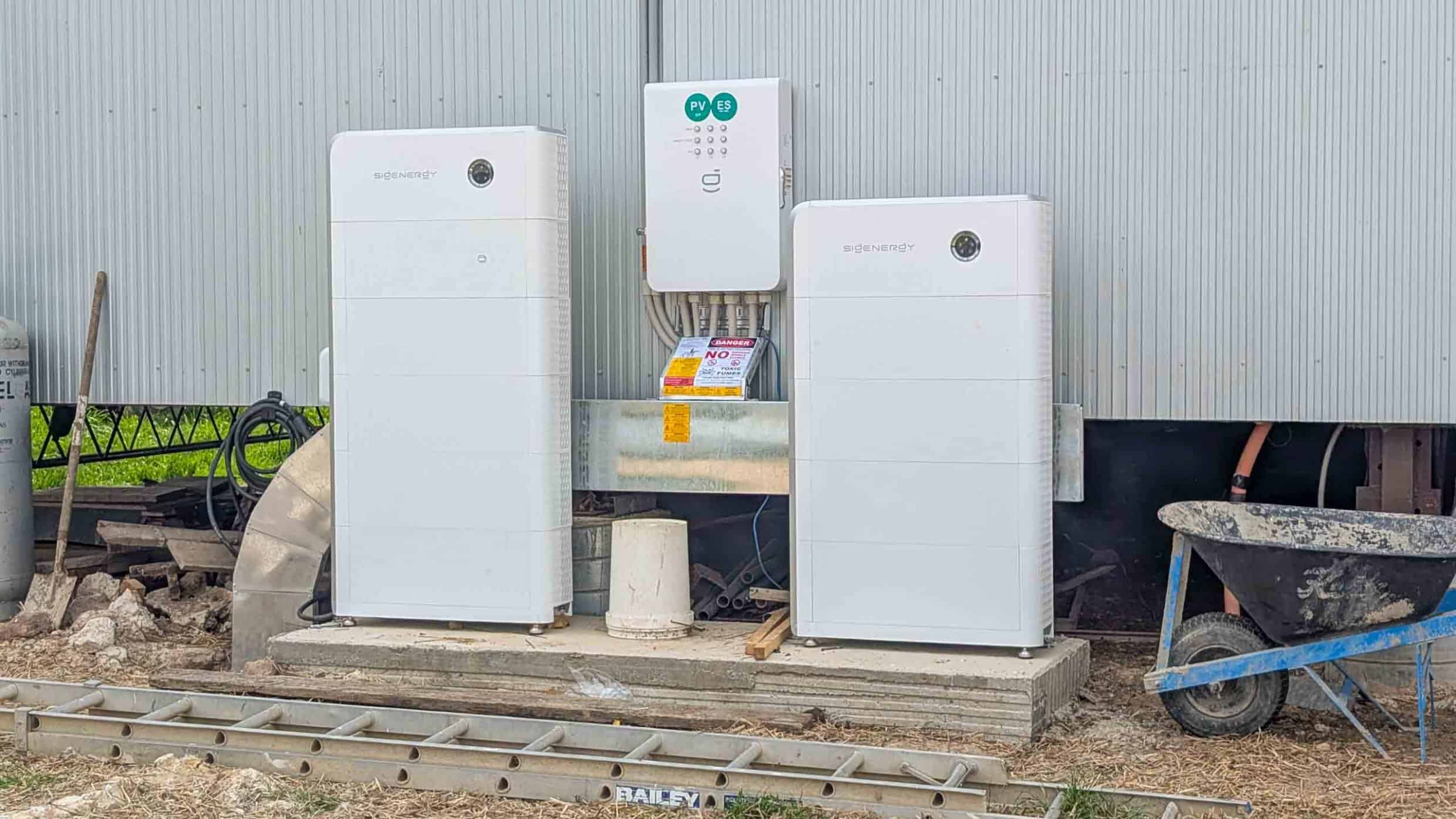
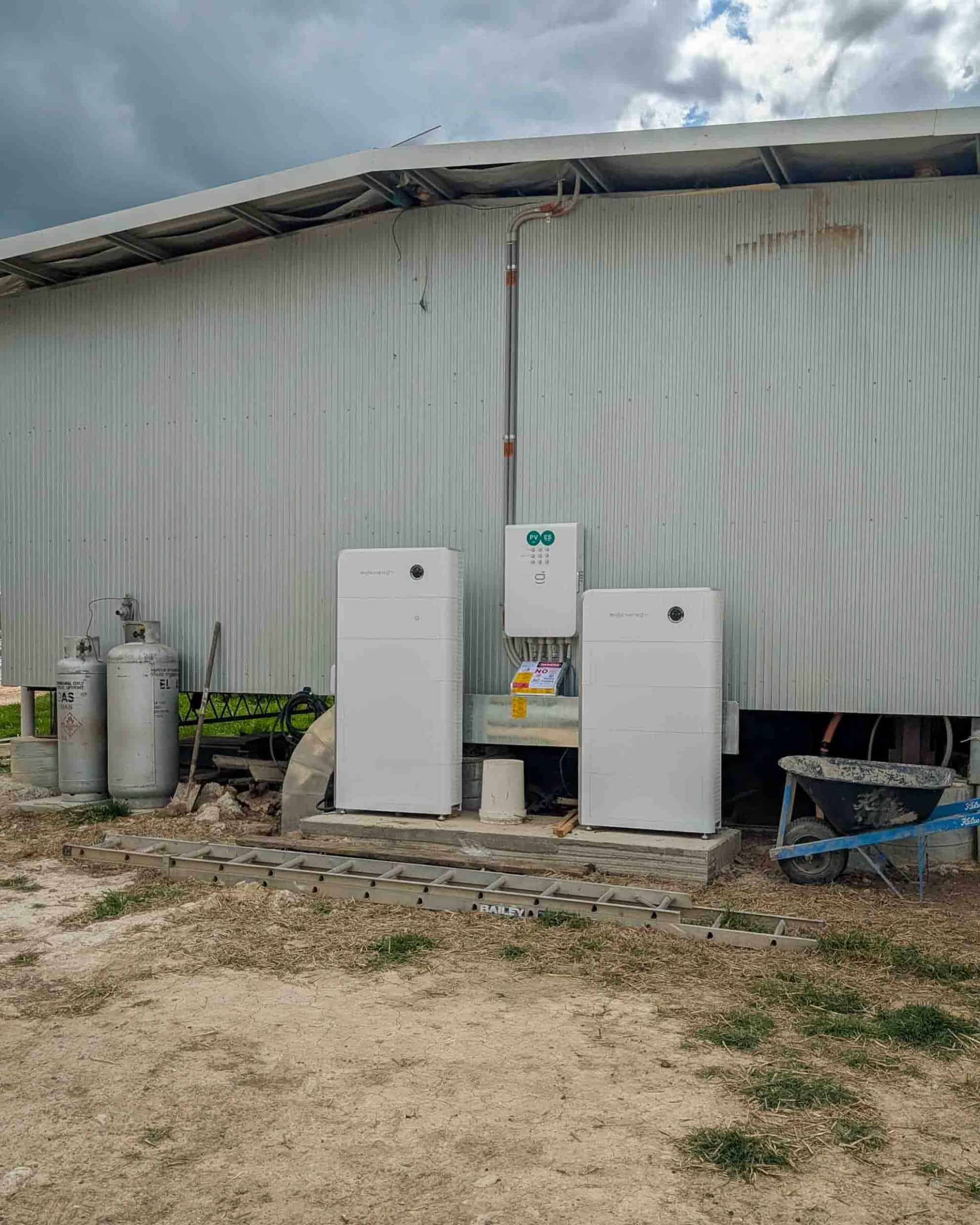
For this Ingliston installation, two 20kW Sigenergy inverters provide a combined 40kW of three-phase inverter capacity.
The dual-inverter configuration allows the system to support substantial electrical loads, while the 57kW rooftop solar array provides generation capacity to supply the property and recharge its batteries during daylight hours.
72kWh of Battery Storage
Eight SigenStor BAT battery modules provide 72kkWh of battery storage. The modular battery configuration stores excess solar generation for use overnight and when solar production is reduced.
For a working farm, battery storage is particularly important because electricity demand doesn’t necessarily coincide with peak solar production. The available battery autonomy depends on the property’s actual electricity consumption, operating loads and weather conditions.
Integrated DC Electric Vehicle Charging
A 12kW DC electric vehicle charger forms part of the Sigenergy installation.
Integrating EV charging into an off-grid solar system allows electricity generated on the property to be used for vehicle charging, rather than relying on a separate grid supply.
EV charging adds a significant electrical load, so the solar array, battery storage and inverter capacity need to be considered together. On this property, the EV charger was included as part of the overall off-grid installation.
Off-Grid Solar Designed Around the Property
This Ingliston project brings together three-phase power, substantial rooftop solar generation, battery storage and electric vehicle charging in one system.
With 40kW of inverter capacity, 57kW of solar and 72kWh of storage, the installation demonstrates how off-grid solar can be configured for properties with electricity requirements beyond those of a standard home.
At 100UP, we design off-grid systems around the property’s electrical loads, including winter solar production, battery storage requirements and larger equipment such as farm machinery and EV chargers.