Why Ballarat is favouring Deye inverters paired with Pylontech batteries for Off-Grid Systems
Currently, two types of equipment are starting to dominate the Ballarat market in for off-grid solar systems.
The first is Deye inverters paired with Pylontech batteries. This combination is likely the most affordable option, offering long warranties and excellent performance. One of the key selling points for Deye inverters is their ability to handle surge power—these inverters can provide up to twice their nominal capacity for short periods. For instance, an 8kW Deye inverter can surge to 16kW for 10 seconds, which is a significant advantage in handling peak power demands.
The second system gaining traction is Victron, known for the flexibility and variety of its components. Installers often choose Victron to overcome challenges in complex installations where tailored solutions are required.
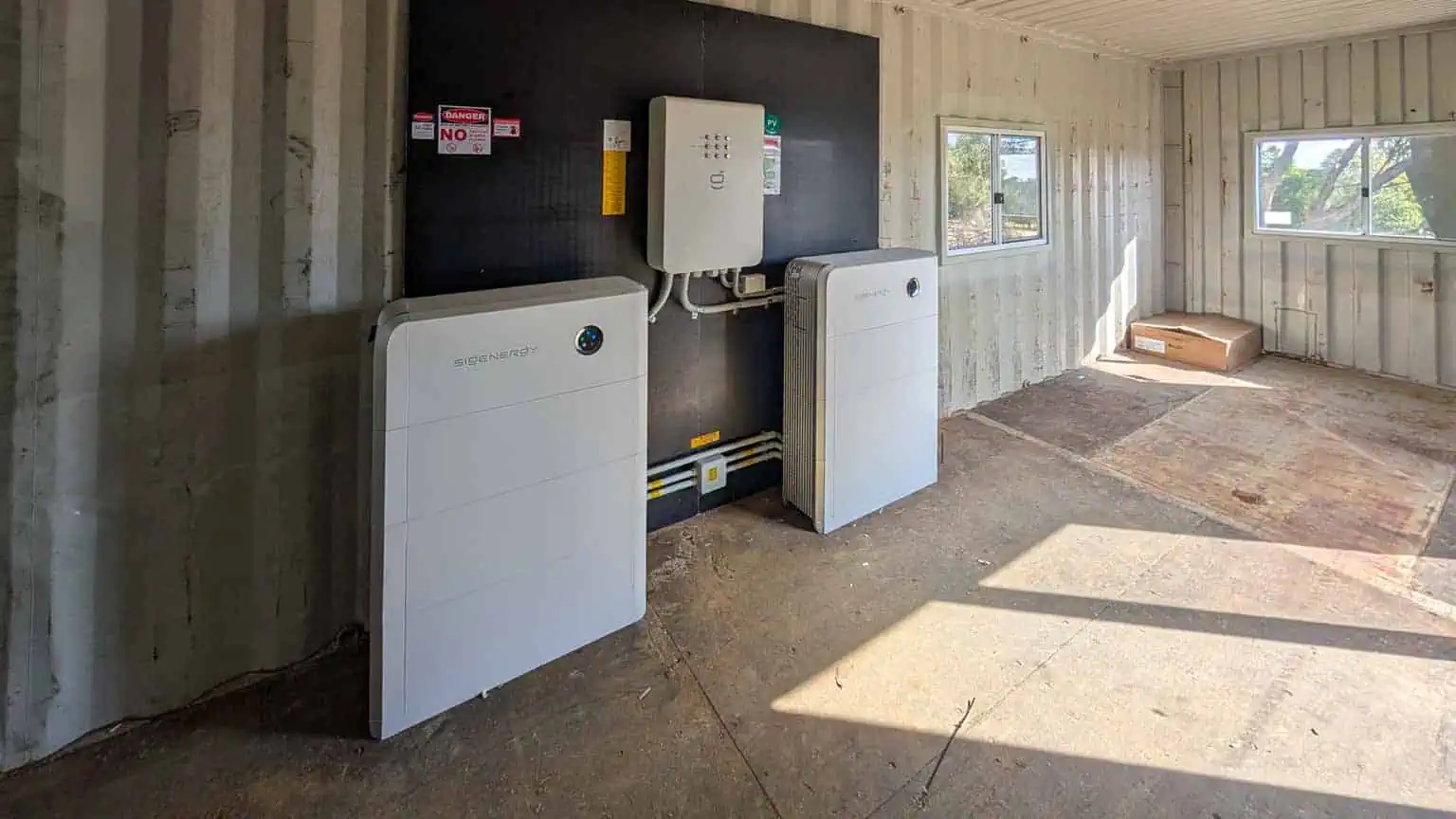
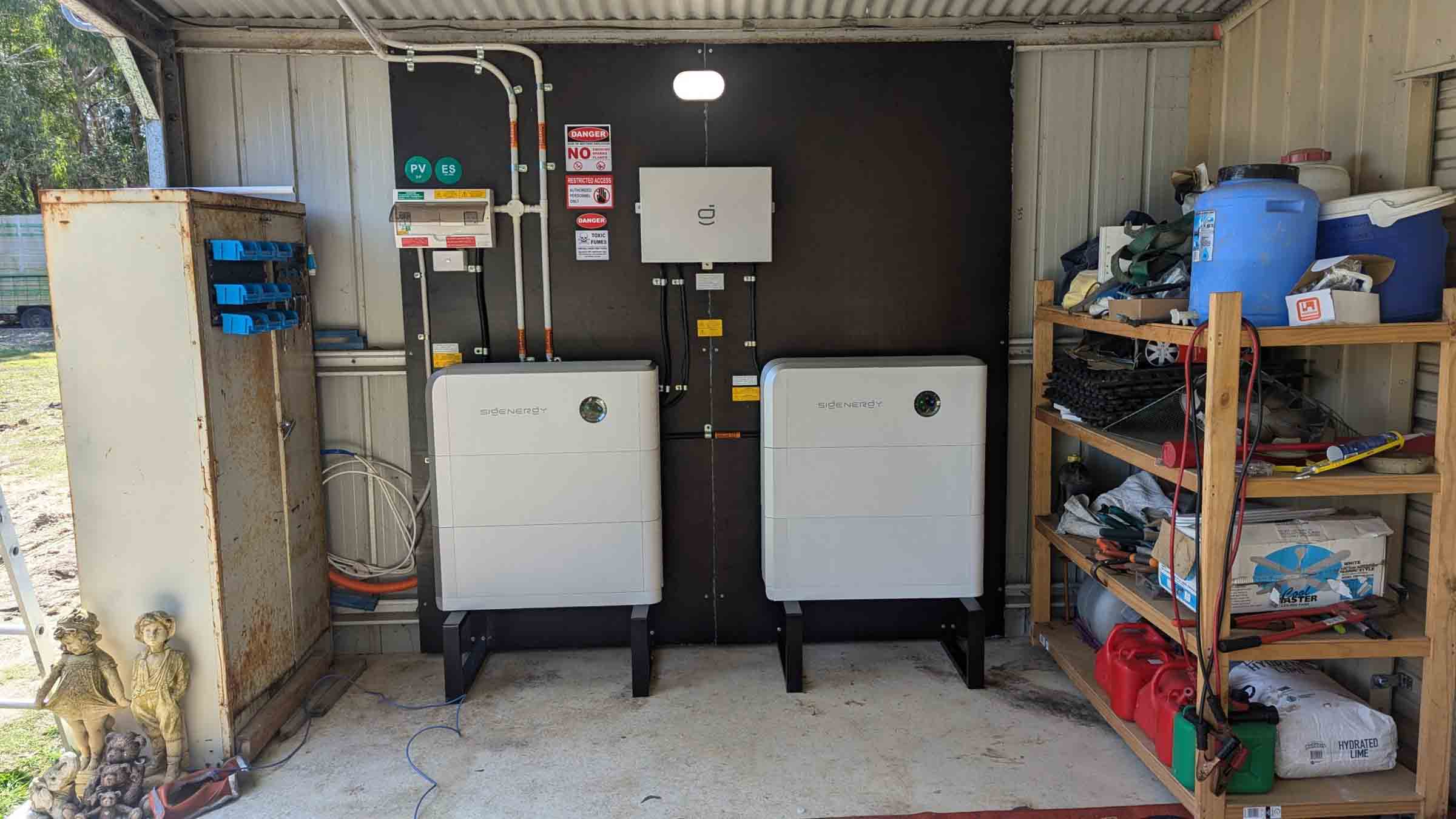
Of course, Selectronic systems are still around, maintaining their niche in the market. However, in my opinion, the new rising star for both off-grid and grid-connected installations is Sigenergy. This system offers an excellent combination of price, quality, flexibility, and warranty, making it a compelling choice for modern setups.
For Peace of mind and Reliability, Go with Sigenergy
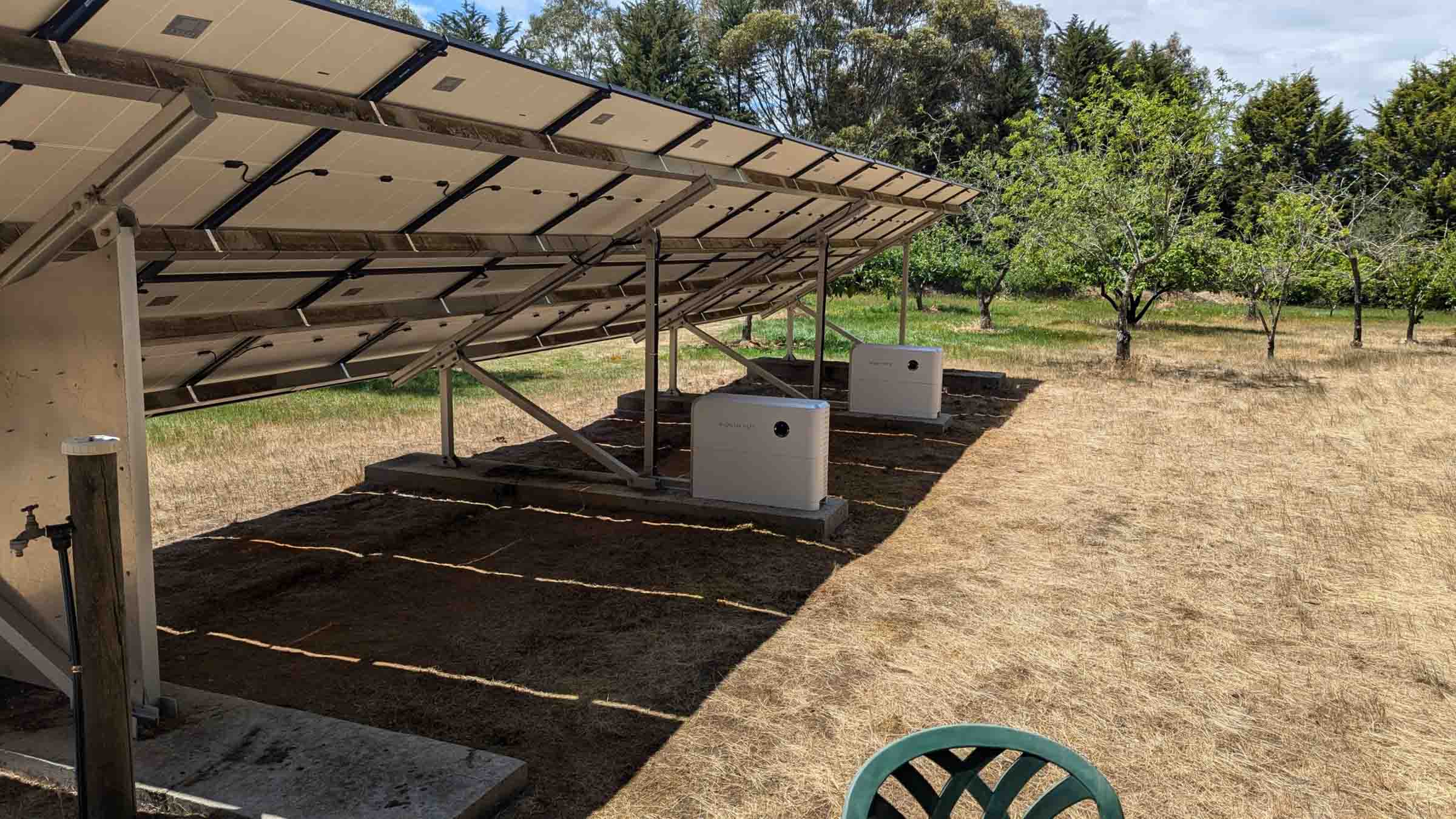
What makes Sigenergy our top choice at the moment is, of course, its ease of installation. However, the feature we appreciate most is its ability to keep a parallel system running even if one unit in the system fails. This redundancy is a huge advantage for off-grid solar setups, as the system serves as the primary power supply.
While any parallel system can be reprogrammed to continue functioning after a failure, this process requires an installer to attend to the system urgently. With Sigenergy, there’s no need for immediate intervention, as the system continues operating uninterrupted, providing peace of mind and reliability. This feature sets Sigenergy apart, making it a standout option for off-grid installations.
Versatile Battery Upgrades for Older Systems
For upgrades to older systems like Selectronic, SMA, or Victron, the best choice has become Pylontech US5000 lithium batteries due to their appealing balance of price and quality. These batteries are versatile and can function as either unmanaged or managed systems, making them a reliable option for various setups.
However, really old systems using 24V or 12V batteries have become almost impossible to upgrade, as it is very difficult and expensive to find lithium batteries with these voltages.
Popular Premium and Standard Solar Panel Options
Here’s what people in Ballarat choose for their off-grid solar systems: the most common panels for winning installations are Jinko 475W and Aiko 470W.
The main difference is panel size
Aiko panels are slightly more expensive but offer 470W in a 1.13m by 1.73m size, whereas Jinko panels are 1.13m by 1.9m.
Often, the deciding factor for which panels are installed comes down to roof space availability or roof condition. The spacing between battens can also be an issue, as panels need to be clamped in a specific area called the clamping zone.
Additionally, ground-mounted systems require adjustments for the larger 1.9m panels, which can result in extra costs.
Beware of Obsolete Technology when sourcing a New System.
When it comes to new systems it seem people of unaware of the availability of new technology. People end up overpaying for some system in my opinion. And wose, overpaying for obsolete equipment. I still see some people around Ballarat not making the effort to research what’s truly the best and most cost-effective on the market.
I am seeing combination of Selectronic inverters with PowerPlus batteries and a Fronius solar inverter for panels pop up in some places. When researching off-grid solar around Ballarat, you will likley come across these too. For over a decade, this heavy-duty, multi-component layout was an industry benchmark for remote power. However, while these traditional systems are incredibly robust, off-grid technology has evolved. For many modern homeowners, this style of architecture is becoming a relic of an older era of solar design.
Obsolete or low-value off-grid technology to watch out for
- Lead-acid (Gel or AGM) battery banks: These are massive, toxic, require heavy maintenance, and have a short lifespan compared to modern Lithium Iron Phosphate (LiFePO4).
- High-voltage “all-in-one” budget hybrids with no off-grid stability, Cheap generic imported inverters that completely shut down if the grid drops or can’t handle the startup surge of a water pump.
- Older DC-coupled systems using low-efficiency PWM charge controllers
Dont just research for solar system brands, Consider the design of the system
Brand choice is one part of an off-grid system choice for a Ballarat property. A good inverter or battery can still end up in a poor system if the design is wrong from the start.
Array sizing, battery autonomy, inverter capacity, surge handling, cable sizing, solar recovery in winter, and the way the whole system responds under load all matter more than the logo on the box.
That’s especially true off-grid, where there’s no grid behind the system to hide design mistakes. That’s why the real question isn’t just “Which brand is best?” It’s “Was this system designed for the property, the loads, and a Ballarat winter?”
A cheaper setup with the wrong architecture can leave you managing appliances every day. Relying on a generator when the weather turns grey. You want to ensure you have a well-designed system. One that carries overnight loads, recovers when solar hours are limited, and handles the real demand of your family.
What’s Coming in 2026: Exciting Developments in Off-Grid Solar
Looking ahead, next year is shaping up to be exciting as major players like Pylontech and Deye are catching up by developing high-voltage (HV) systems that combine all-in-one battery and inverter solutions. These systems are starting to offer features similar to those of Sigenergy, along with some additional advantages.
For example, the Pylontech Force H3 system includes a large, clear display showing the battery’s charge percentage. This is an important feature for anyone relying on their system for power, as it provides vital information at a glance. By contrast, with systems like Sigenergy, this information is only accessible through an internet connection and a mobile app, which can be a limitation for some users.
As these newer systems enter the market, they promise to bring even more convenience and innovation to off-grid solar setups, giving homeowners more options and potentially driving further advancements in the industry.