Cloudy weather lowers solar output, but it doesn’t shut the system down. Solar panels use solar radiation (specifically light, not heat) to create electricity. Daylight is the visible portion of that radiation. Panels still generate power from daylight, with production typically sitting between 10% and 60% of normal levels depending on how heavy the cloud cover is.
Technically, a solar panel will react to any source of light. but if you have heard about solar panels working at night, it is likely regarding experimental solar technology. For Residential and commercial off grid systems the intensity would be insufficient to meet the solar inverter’s minimum start-up voltage. But it is interesting to know where emerging off grid and solar technology is heading..
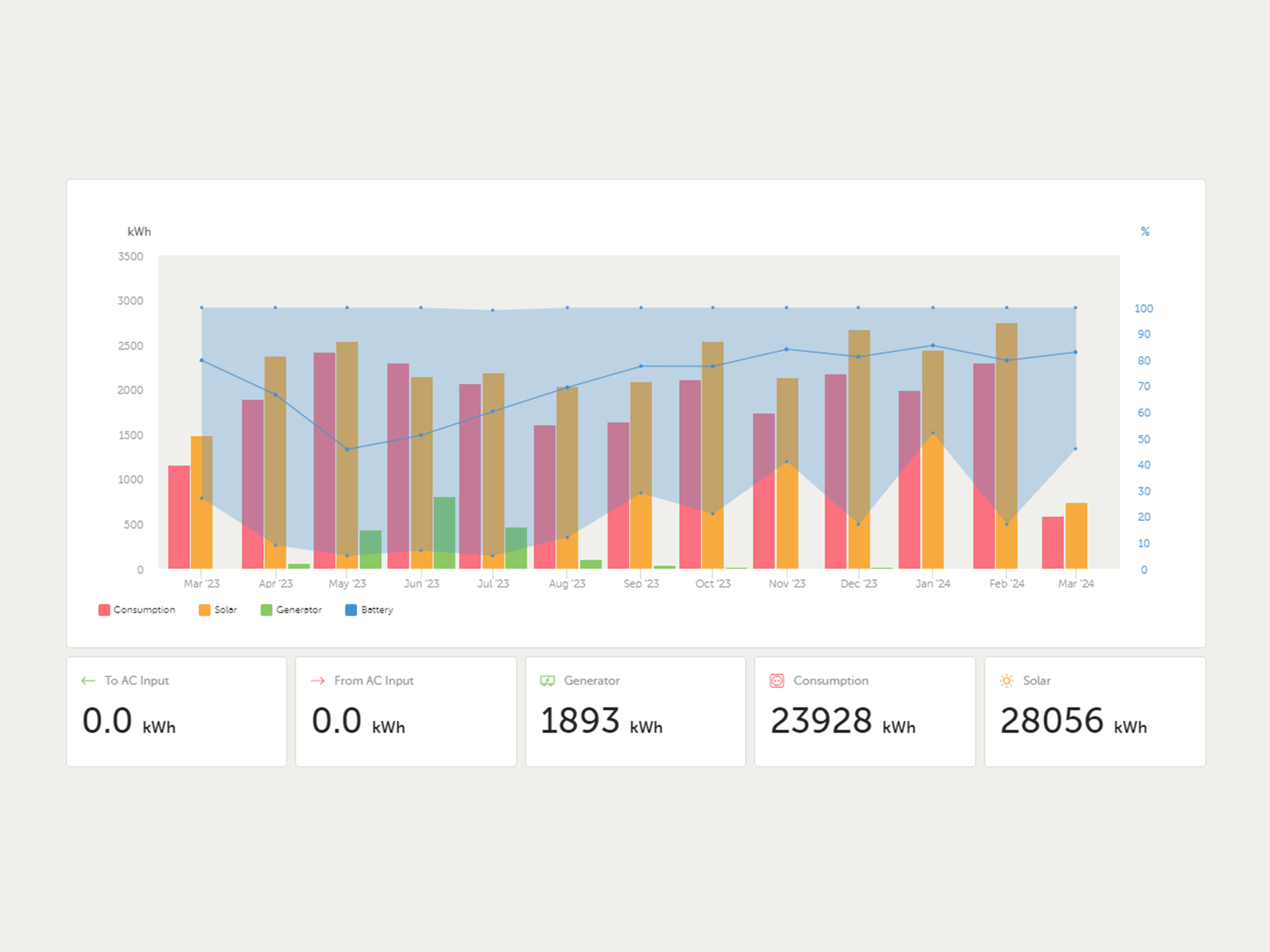
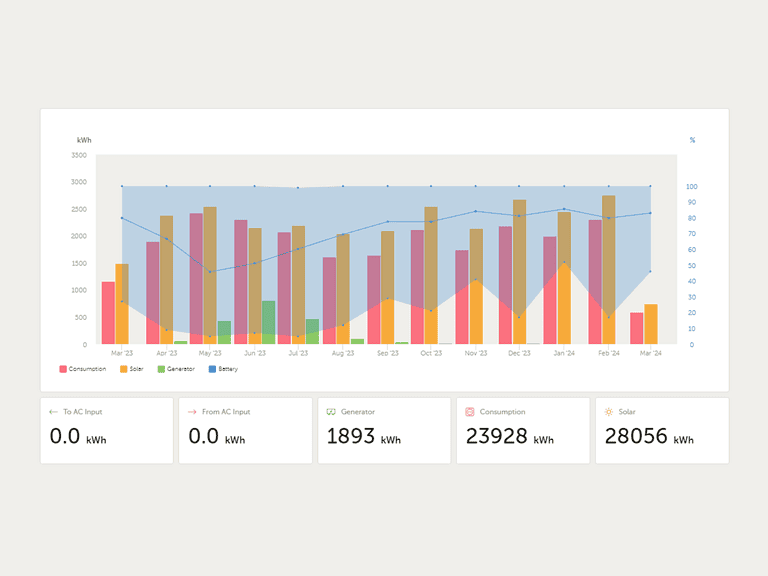
The winter pattern: as solar production falls through Ballarat’s colder, cloudier months, generator use can lifts to carry the gap and keep the property supplied. That’s exactly why off-grid systems in this region have to be sized around winter performance, not annual averages.
Most systems can be designed with around 10% of consumption substituted by a generator. In cases where the system is heavily oversized, reliance on a generator may be reduced, or not be needed at all. Generator-less off grid design provides a very sustainable and self-sufficient energy solution – even during the less sunny winter months.
For homes on off-grid systems in Ballarat, the winter weather can be particularly challenging for solar energy production. When the solar power system is sized correctly it can still meet the majority of the energy needs.
Ballarat changes the way you size a system.
Considering your winter solar production matters more than looking at the overall annual averages. A setup that looks fine on paper “over the year” can quickly fall apart once June arrives. The solar hours are limited so design and redundancy really starts to matter.
A system only feels genuinely off grid when the owners stop thinking about power every day. If you need to constantly watch loads, delay appliances, or fire up a generator through every cold week, the system is technically operational, but it’s not comfortable to live with.
That’s the difference between a system designed for average conditions and one sized for a Ballarat July.
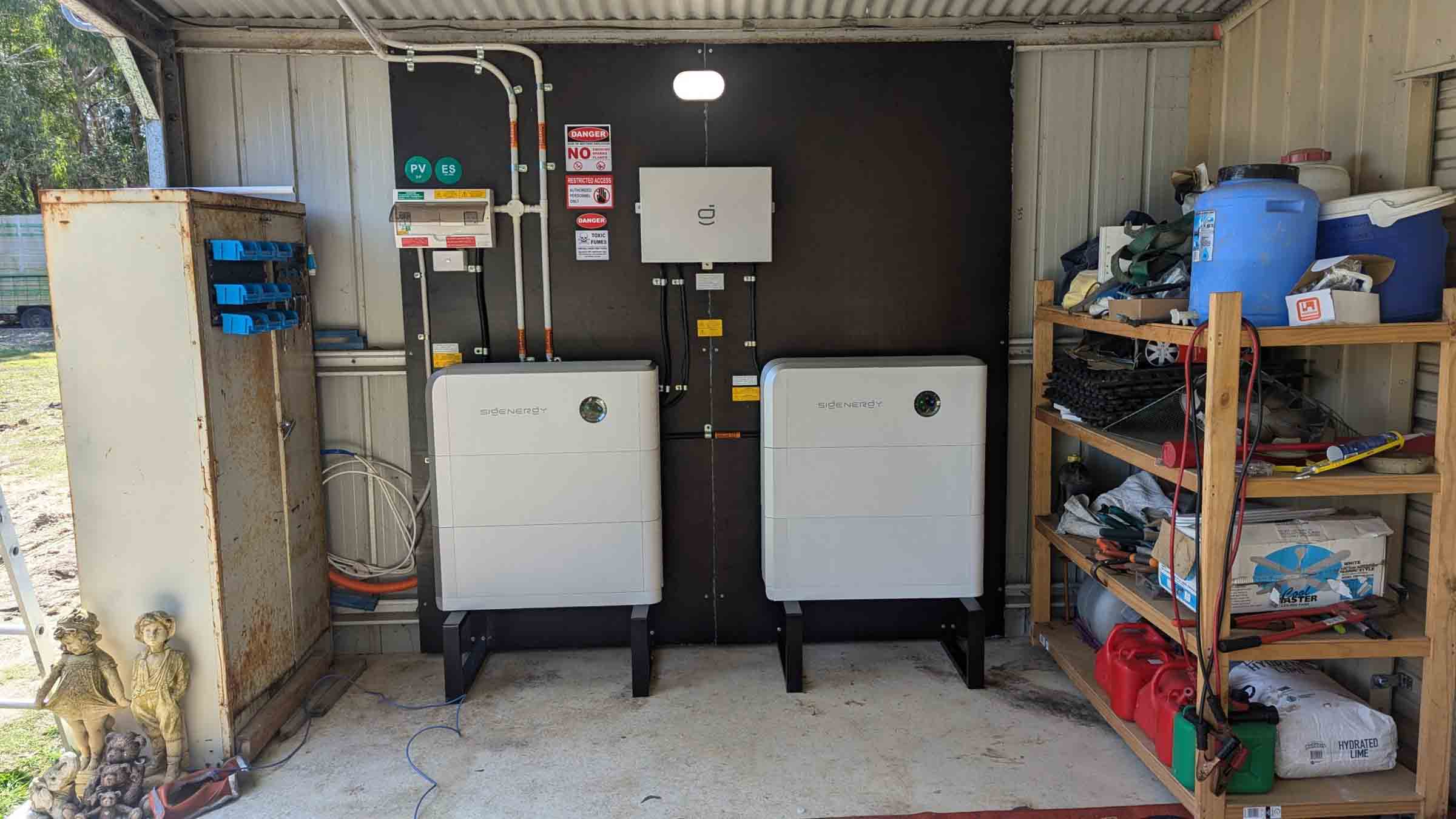
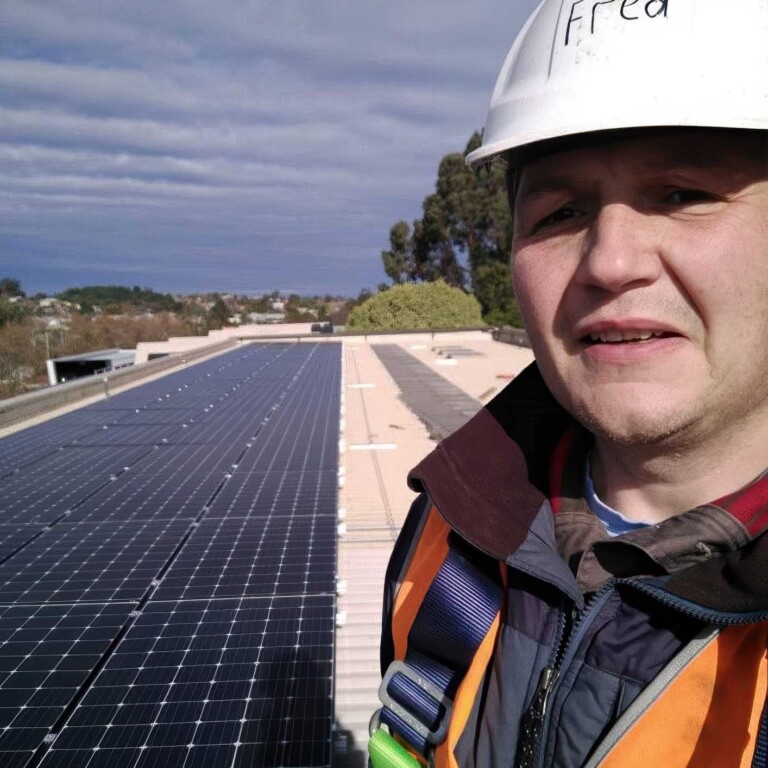
This off-grid installation near Ballarat was built around an 11kW solar array, a 12kW Sigenergy inverter, and 26kWh of lithium battery storage. That combination gave the property the solar recovery, overnight reserve, and surge-handling capacity needed for real rural use.
Their use needs included pumps, refrigeration, regular and surge household loads, and workshop demand. It’s a practical example of what it looks like when a system is sized for winter performance, not just annual averages.
Read the full Project Sigenergy 12kW Off Grid Built for a Ballarat Winters and checkout the install video to see how the system was designed and why those specifications matter in day-to-day use.