Our goal with off-grid solar is simple: Design the system so it can run without a generator.
We design conservatively – for real energy use, real energy use, worst-case winter conditions, redundancy, and long-term property value.
- Not just in summer.
- Not just when everything is new.
- And not only for the current occupants.
We Start With your House
To provide a clear starting point, we work from common household scenarios based on bedroom count, not minimum current usage.
We typically design reference systems for:
- 2-bedroom homes
- 3-bedroom homes
- 4-bedroom homes
- 5-bedroom homes
These are not fixed packages. They are design reference points that allow us to model realistic energy demand and ensure systems remain functional long term.
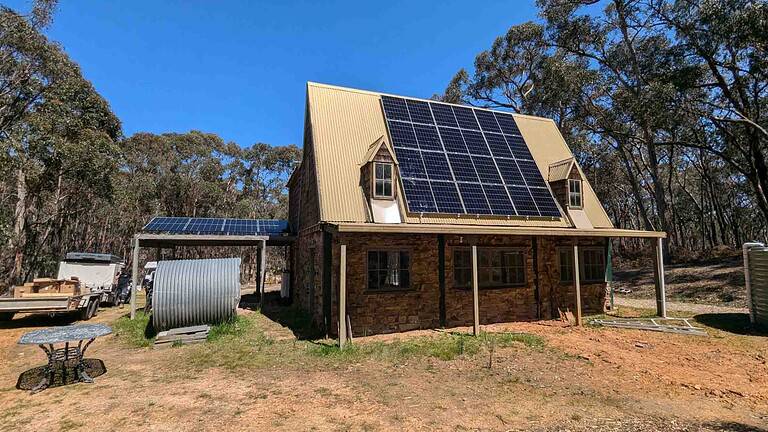
Design Principle 1: Realistic Energy Demand
When we are sizing an off Grid solar system for your property our baseline assumption is:
- 5 kWh per day for an empty house, plus
- 5 kWh per day for each person living in the home
Not because everyone uses the same amount of power. They don’t. But because an off-grid system has to support the property, not just the current routine. For example:
- A 2-bedroom home is typically designed for 2 occupants plus one additional person
- Larger homes are designed with increasing potential occupancy in mind
This avoids under-sizing systems based on short-term living arrangements or unusually low usage.
Why We Design for Full Occupancy
Even if a home is currently occupied by fewer people, we design systems to support full, realistic occupancy.
Living arrangements change. Families grow. And many off-grid properties are eventually sold.
If you build a 3- or 4-bedroom home, the energy system should be capable of supporting a fully occupied household, not just the current occupants.
Under-sized systems are one of the main reasons off-grid homes end up relying on generators later.
Off-Grid Energy and Property Value
For off-grid properties, the energy system is not a secondary feature, it is core infrastructure.
When an off-grid property goes on the market, buyers pay close attention to:
- Power reliability
- Winter performance
- Generator dependence
- Ability to support a full household
A weak or generator-dependent system can reduce buyer confidence and, in many cases, property value.
A properly designed, generator-less off-grid solar system:
- Broadens the pool of potential buyers
- Reduces concerns during inspections
- Avoids costly upgrades before sale
- Protects long-term property value
This is why we design systems for the future owner, not just the current one.
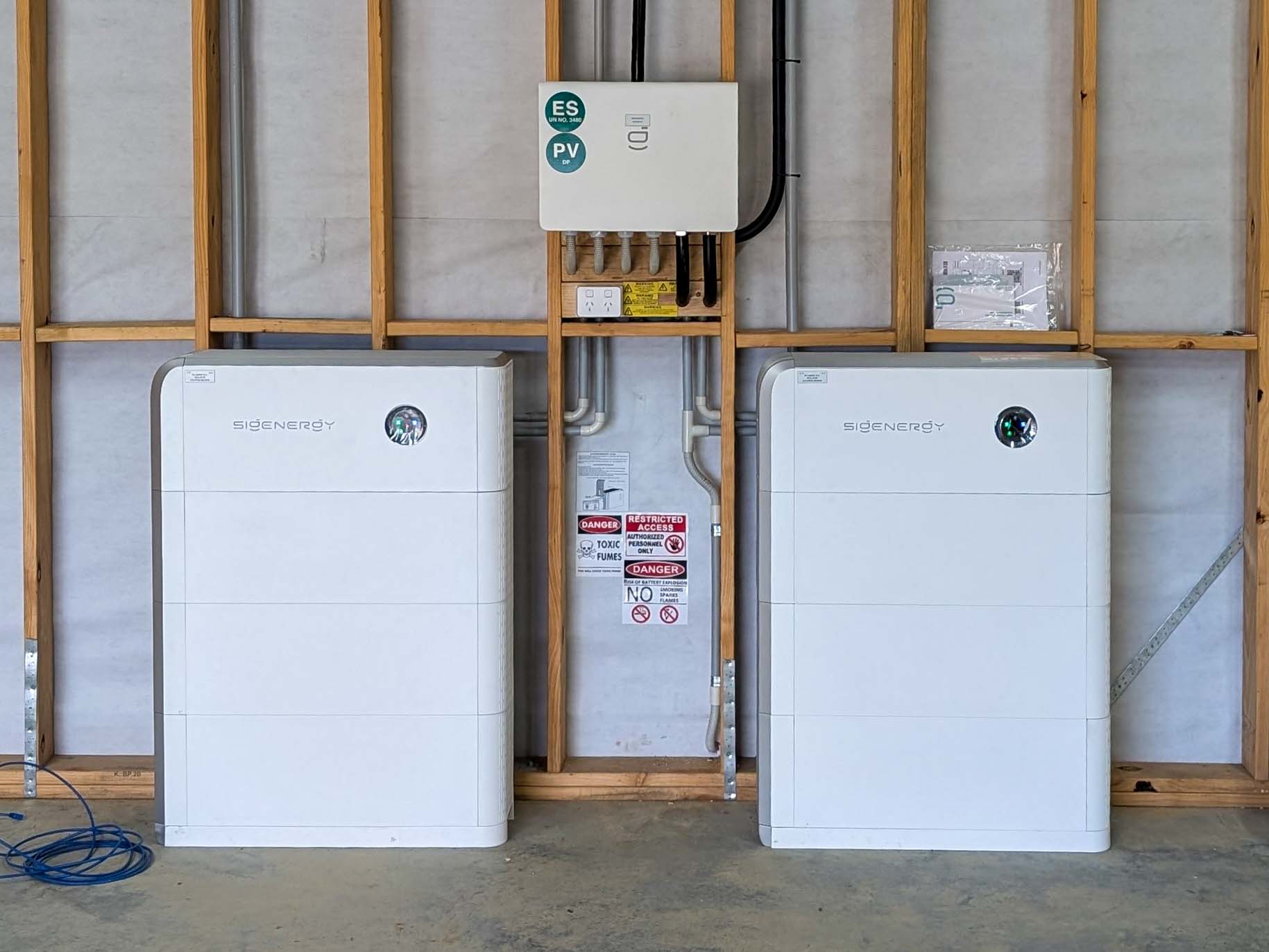
Design Principle 2: Redundancy Through Dual Systems
Redundancy is critical for generator-less operation.
Where practical, we design systems with:
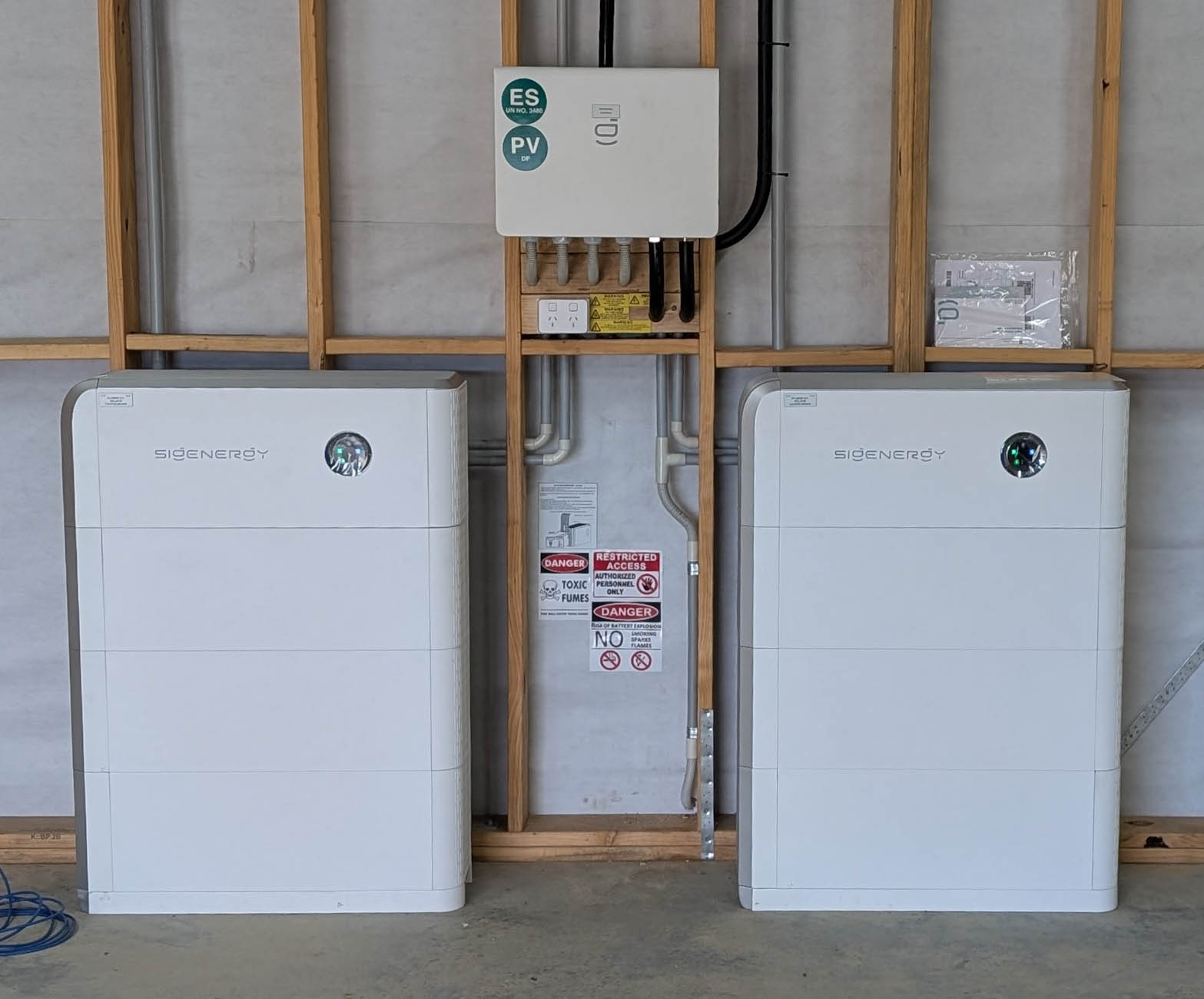
- Dual inverters
- Distributed battery banks
If a component fails, the system can continue operating while repairs are arranged.
While we always aim to resolve faults as quickly as possible, the reality of off-grid systems is that:
- Spare inverters and batteries are not always immediately available
- Replacement equipment can take time to source and deliver
Redundancy reduces the risk of being forced back onto a generator due to a single point of failure.
Design Principle 3: Winter Solar Performance
Winter is the true test of any off-grid system, and the most commonly underestimated.
We design on the assumption that:
- 1 kW of solar may only produce around 0.5 kWh per day in winter
- These conditions can occur for two consecutive days
By designing for worst-case winter production, systems remain stable and predictable, rather than marginal and generator-dependent.
Design Principle 4: Battery Autonomy
Battery autonomy is a key factor in achieving genuine off-grid independence.
Battery storage is sized for approximately:
- 48 hours of autonomy
This allows the system to:
- Ride through consecutive low-production winter days
- Handle extended poor weather
- Maintain power without generator assistance
Four Design Decisions That Keep the Generator Off
A generator-less off-grid system needs four things working together:
- Full-occupancy demand assumptions
- Redundancy at the inverter and battery level
- Conservative winter solar modelling
- 48-hour battery autonomy
We design systems that are theoretically capable of operating without a generator under normal Australian off-grid conditions.
That’s the benchmark we design to:
not minimum compliance,
not best-case weather,
and not short-term usage.
Every property is different. If you’d like to discuss your block, your energy use, and what an off-grid system would look like, get in touch with Fred at 100UP.