
Your inverter is the most consequential component decision you’ll make for an off-grid system. Get it wrong and you’ve built a system that fails on exactly the days it needs to work,
- a grey Ballarat July,
- three overcast days in a row,
- maximum household load.
These brands dominate serious off-grid builds in regional Victoria right now.
Each takes a fundamentally different approach to architecture, expandability, and how they handle the conditions that actually test a system. This guide compares them on the specs that matter for a property that can’t rely on the grid as a fallback.
Selectronic appears in the comparison tables, it’s the right choice for specific commercial situations and we’ll explain exactly when. But for most residential off-grid buyers in regional Victoria, the decision comes down to Deye, Victron, or Sigenergy.
Which Inverter Brand Actually Suits a Southern Victoria Off-Grid Property?
The solar sizing methodology doesn’t change regardless of which inverter you choose. How redundancy is built into the system varies significantly by brand. But how that platform gets configured for your specific property and requirements is the design work. and We design the system to work for you!
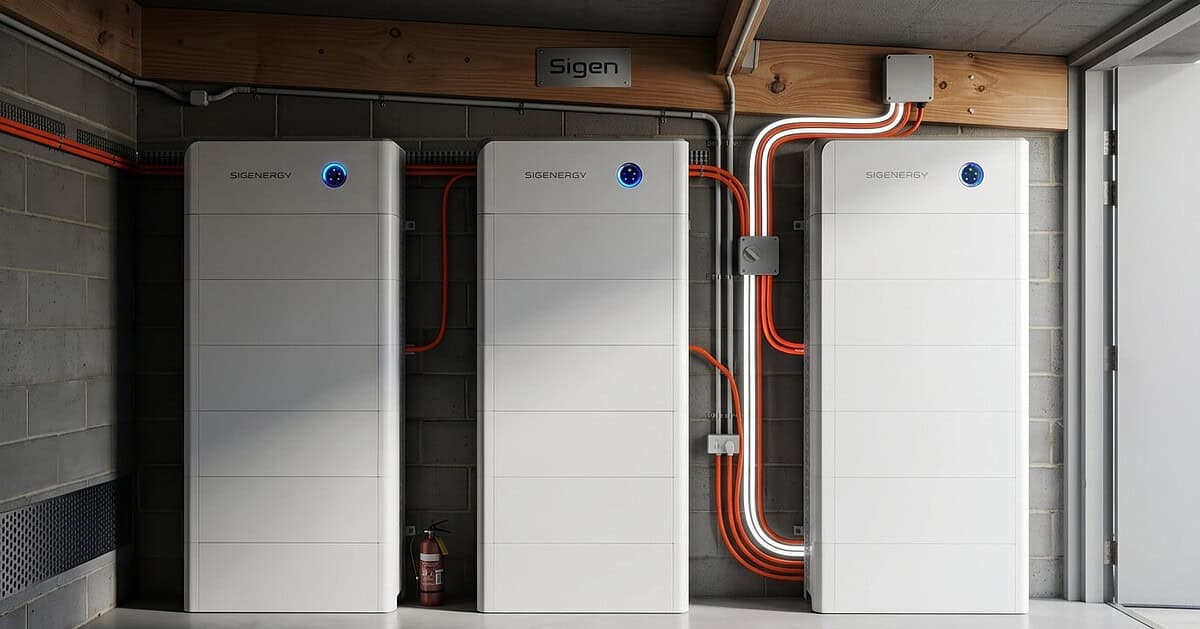
Sigenergy – modern all-in-one platform
Best for buyers who want a modern all-in-one platform, clean install, integrated battery management, straightforward expansion as the property’s needs grow.
The IP66 rating makes it viable for outdoor plant rooms. It’s the direction the industry is moving.
Victron – maximum control, modular flexibility
Suits buyers who want maximum control, modular flexibility, and a deep ecosystem for complex or unusual configurations.
It’s the inverter of choice for installers who want to fine-tune every aspect of system behaviour, and for properties where component-by-component upgrades make more sense than a full platform swap.
Deye – solid off-grid performance
A good opiton for owners who need solid off-grid performance at a more accessible price point. Two MPPT trackers, IP65 protection, Wi-Fi monitoring. It handles standard residential configurations reliably. Its not the top of the range, but its a solid option when configured and designed to meet your intent use.
Sungrow – A reliable hybrid inverters
Sungrow is also a widely regarded as a leading solar inverter manufacturer. They are known for combining strong performance and reliability. Their inverters deliver high conversion efficiency, and compatibility with a wide range of solar systems. . They are a popular choice for both residential and commercial solar installations.
How Deye, Victron, and Sigenergy Compare for Southern Victoria Off-Grid Installs
System Architecture, All-in-One Platform vs Component Build
The architectural difference matters before any other spec. An all-in-one hybrid combines inverter, charge controller, and battery management in a single unit. A component-based build uses separate, independently specified devices.
Neither is inherently better. But the architecture shapes your upgrade path, your installation complexity, and what happens when one part needs replacing.
| Brand & Model | Architecture | Power Range | Battery Voltage | Expansion Path |
| Sigenergy Sigen Hybrid | All-in-One Hybrid | 3.0, 25.0 kW (single & three phase) | Modular / brand ecosystem | Stackable modules, add battery, EV charging, or solar without replacing the inverter |
| Victron MultiPlus-II + SmartSolar | Separate Components | 3.0, 15.0 kW (inverter capacity) | 48V (standard off-grid model) | Modular by design, swap individual components; deep third-party compatibility |
| Selectronic SP PRO SPMC482-AU | Separate Components | 7.5 kW continuous | 48V | Requires external charge controller; high surge capacity is the reason to choose it |
| Deye Hybrid Inverter | All-in-One Hybrid | 3.6, 8.0 kW | 48V | Standard 48V upgrade path; limited compared to Sigenergy’s modular approach |
Where architecture changes the install decision
- Sigenergy’s all-in-one design simplifies commissioning significantly.
- Victron’s component approach gives experienced installers more configuration options, but it’s also more to specify, source, and integrate correctly.
For a straightforward residential property, the time and complexity difference is real.
Solar Capacity and Weather Exposure, What the Ratings Mean for a Ballarat Installation
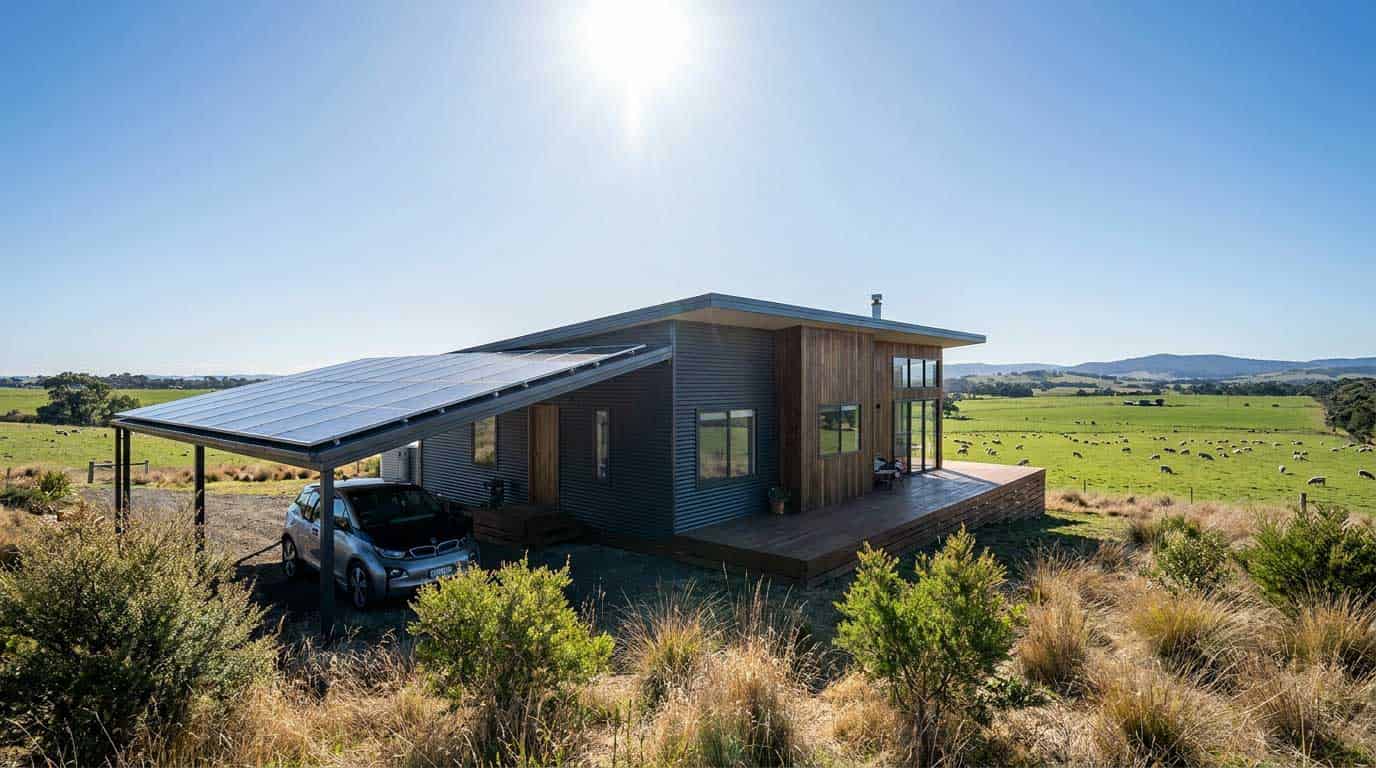
IP ratings aren’t marketing. They determine where the unit can physically be installed and how it handles the condensation, dust, and temperature swings that are routine in regional Victoria.
| Brand & Model | MPPT Trackers | Max Solar Input | IP Rating | Where It Can Go |
| Sigenergy | Up to 4 | DC/AC ratio up to 2 | IP66 | Outdoor, weatherproof enclosures, exposed plant rooms |
| Victron MultiPlus-II + SmartSolar | Multiple independent | 450V max DC (SmartSolar RS) | IP21/IP22 | Clean, protected indoor areas only |
| Selectronic SP PRO | None (external required) | Flexible, depends on third-party controller | IP43 | Protected indoor / plant room |
| Deye | 2 | Standard dual-string | IP65 | Outdoor-protected, shed installations |
Victron’s IP21 rating is the practical constraint most people miss. It’s an indoor-only inverter, it needs a properly enclosed, dry space.
On rural properties where the battery room is a shed, a lean-to, or an exposed outbuilding, IP21 isn’t viable without additional enclosure work. Sigenergy at IP66 and Deye at IP65 don’t have this problem.
Monitoring, Automation, and Expansion, Where the Platforms Diverge for Off-Grid Living
An inverter you can’t monitor is an inverter you’re guessing about. For off-grid, remote monitoring isn’t a convenience feature, it’s how you catch problems before they become generator callouts.
| Brand & Model | Monitoring & EMS | Generator / Grid Handling | Standout Capability |
| Sigenergy | Advanced EMS, multi-system parallel control, full app integration | Multi-source black start, on/off-grid auto-switch | EV charging integration, stackable storage modules, clean single-platform management |
| Victron MultiPlus-II | Remote configuration, Bluetooth, VictronConnect/VRM portal | Advanced parallel and three-phase configuration | Deep DIY community, component-level swapability, huge third-party integration ecosystem |
| Selectronic SP PRO | Configurable for multiple battery chemistries | Inbuilt generator controller | Industry benchmark for surge capacity, heavy motor starting, pumps, compressors |
| Deye | Wi-Fi monitoring, self-consumption optimisation | Mains or generator compatible | Straightforward setup, solid 48V value |
Selectronic’s inbuilt generator controller is the reason it appears here. For a winery, an agricultural setup with large pump motors, or a commercial property with high-surge loads, Selectronic’s continuous 7.5 kW and surge capacity is genuinely in a different category. For a residential property without those loads, it’s more inverter than the situation requires.
Which Inverter Fits Which Off-Grid Property in Regional Victoria
The Inverter Decision Is a System Design Decision
There’s no universally correct answer across these brands. The right inverter is the one that fits the property’s load profile, the physical install environment, the expansion plan, and the budget, sized for the worst week of winter, not the best week of summer.
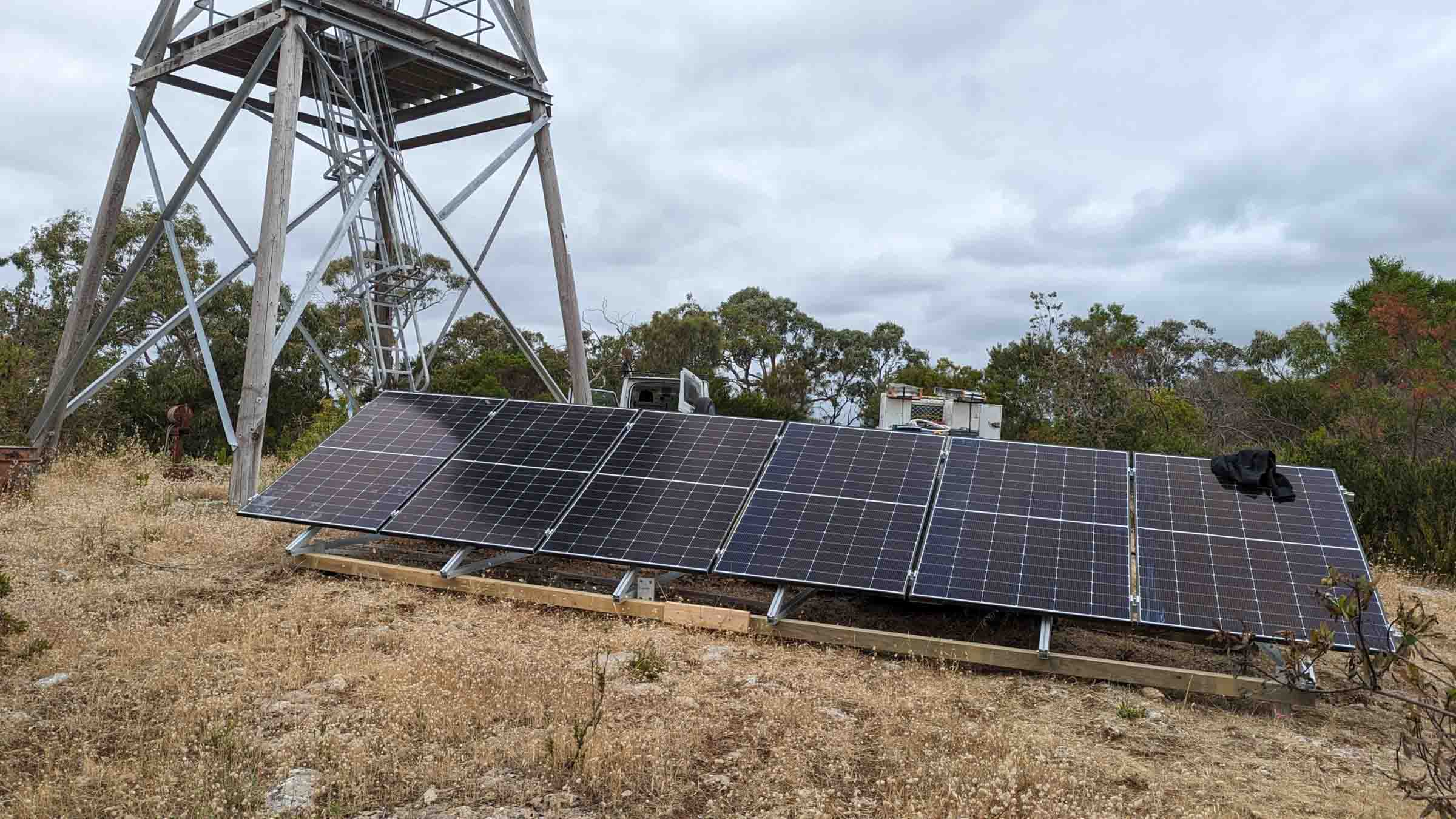
We’ve built systems with all of them. The Scotsburn Vineyard system, 20kW array, 40kWh storage, three consecutive overcast July days without the generator touching, demonstrates what correct sizing produces regardless of platform. The inverter brand matters. The sizing methodology matters more.
New Builds and Rural Residential Properties That Want a Clean, Modern Platform
Sigenergy is where most new residential off-grid builds are heading. The all-in-one architecture means fewer integration points, cleaner commissioning, and a single monitoring ecosystem. The modular expansion model, add battery capacity, add EV charging, expand the array, without replacing the core inverter is a genuine long-term advantage for a property that might evolve over 10, 20 years.
Read the SIGENERGY Home Energy Solution Brochure
The IP66 rating also means it’s not dependent on having a dedicated, climate-controlled battery room. That matters on rural blocks.
Properties With Complex Configurations or Owners Who Want Full Control
Victron suits buyers who want to understand exactly what their system is doing at every level, and installers who need the flexibility to handle unusual configurations. Three-phase properties, mixed battery bank upgrades, complex parallel arrangements, or builds where components are being added incrementally to an existing infrastructure all play to Victron’s strengths.
The tradeoff is complexity. Victron requires more care in specification and integration. And the IP21 rating means indoor installation is non-negotiable.
View the Vitron SmartSolar MPPT RS 450 | 100 & 450 | Datasheet
See the Vitron MultiPlus-II Inverter/Charger Datasheet
Solid Performance Without Premium Pricing
Deye handles standard residential off-grid configurations reliably. Two MPPTs, IP65, Wi-Fi monitoring, it covers what most households need. If the property has a standard load profile, doesn’t require three-phase, and isn’t planning major system expansion, Deye delivers the performance without the price premium of the platforms above it.
It’s not the answer for a 20kW commercial array. But it’s a sound choice for a 3, 8kW residential system where the brief is straightforward.
Learn more about Deye Invertor Options
High-Surge Commercial and Agricultural Applications
This is Selectronic’s territory. Wineries with large refrigeration compressors, agricultural setups with bore pumps and old motor loads, commercial properties where inrush current will trip a standard inverter, Selectronic’s surge capacity handles these situations. It requires an external charge controller, which adds integration work. For the buyer who genuinely needs the surge performance, it’s worth it.
SP PRO Serries 2i Datasheet from selectronic
| Buyer Type | Best Match | Primary Reason | Trade-Off |
| New rural residential build, wants modern platform | Sigenergy | All-in-one, IP66, modular expansion | Higher upfront cost than Deye |
| Complex or unusual configuration, experienced installer | Victron | Maximum flexibility, component modularity | IP21, indoor only; higher integration complexity |
| Standard residential, cost-conscious | Deye | Solid 48V performance, accessible pricing | Limited expansion ceiling vs Sigenergy |
| Commercial / agricultural with heavy motor loads | Selectronic | Surge capacity, inbuilt generator controller | Requires external charge controller; oversized for residential |
Our Recommendation by Property Type
If you’re building new and want a system that’ll still be the right answer in 15 years, Sigenergy. The modular architecture, IP66 rating, and integrated EV-readiness reflect where off-grid technology is going, not where it was five years ago.
If the build is straightforward and budget is a real constraint, Deye does the job for standard residential systems. Don’t let anyone upsell you to a more complex platform if your load profile doesn’t need it.
If you need flexibility above all else, unusual battery bank, complex three-phase configuration, component-by-component approach, Victron. Just account for the indoor installation requirement in your design.
And if you’re running a winery, a farm with old pump infrastructure, or any commercial property with large motors, talk to us about Selectronic before you commit to anything else. The surge situation is real and it matters.
What to Confirm Before Committing to Any Inverter Brand
A few things that catch buyers off guard:
- Battery compatibility isn’t universal. Sigenergy works best within its own battery ecosystem. Victron integrates with most lithium and lead-acid banks. Deye at 48V is compatible with a wide range of batteries at that voltage. Check the specific battery you’re planning against the inverter you’re choosing, don’t assume compatibility.
- Indoor vs outdoor placement is a design decision, not an afterthought. Victron’s IP21 rating needs a genuinely protected, dry environment. On most rural properties, that means a dedicated battery room, not a shed wall. Factor this into your build design early.
- Generator integration varies significantly. Selectronic has the most sophisticated inbuilt generator management. Sigenergy and Victron both support generator input but require different configuration approaches. If generator backup is part of your design, confirm how each platform handles automatic start/stop and charging priority before you decide.
- Three-phase adds complexity regardless of brand. Sigenergy handles three-phase natively up to 25kW. Victron requires parallel configuration. Deye’s range tops out at 8kW, which limits three-phase viability for larger loads. If your property is three-phase or you’re planning for it, this narrows the field quickly.
- Expansion limits are real. Deye’s 8kW ceiling is fine for most residential builds. But if you’re planning to add an EV charger, expand the battery bank significantly, or grow into a larger property use, the ceiling matters. Sigenergy’s modular architecture is specifically designed to avoid this constraint.
Tell us about your property and we’ll tell you which approach suits it. → Request a Solar Install Estimate
Not sure what size you need?