
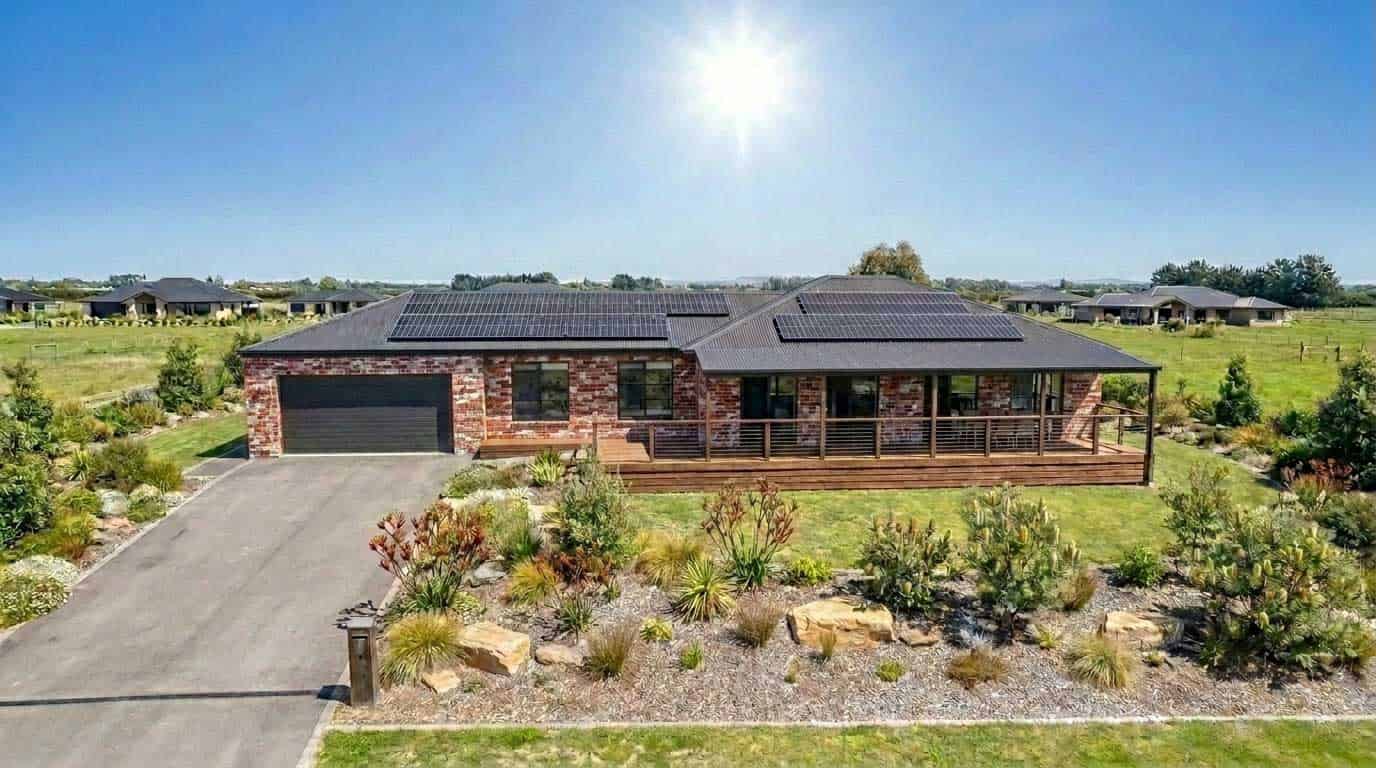
4 Bedroom
5 People
4-Bedroom off-grid solar power Kit
High-capacity off-grid power for a larger home. Generator-free by design.

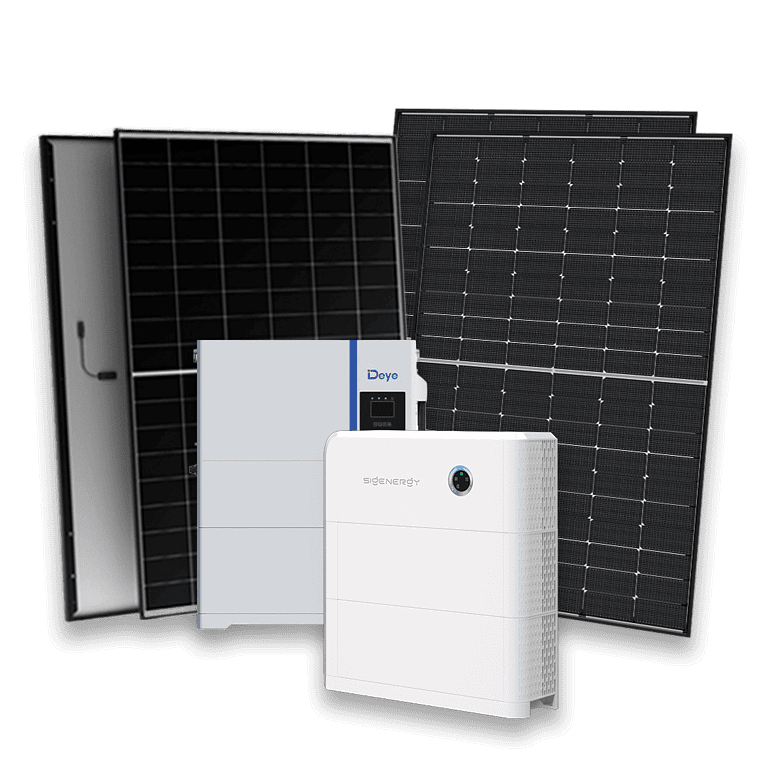
Off-grid SystemsFor Regional Victorian homes
For properties where undersizing isn't an option. Matching Energy demand to your usage in every season. Designed for no generator dependancy.
100UP designs and installs complete off-grid power systems across Ballarat and regional Victoria. Solar, battery storage, inverters and backup are engineered as one system around your property, realistic energy needs and year-round performance.




Equipment is selected for the system we're designing — based on reliability, compatibility and long-term off-grid performance. Government Rebate & Compliance Support Available
Solar Generation
Battery Storage
Inverters
System Redundancy
Backup Power
Remote Monitoring
Future Expansion
Diagnostic & Fault Suport
Instant OFF GRID SYSTEM COST
100up will help you plan and pick the best system to match your needs
Larger households need more headroom than most systems are designed for. If your property runs hard and undersizing isn't something you're willing to risk, this is where it starts.
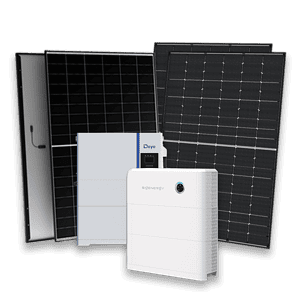
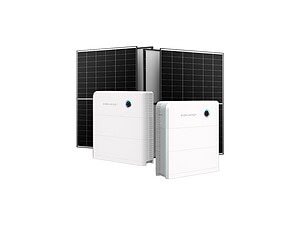
Suggested 4-Bedroom Off Grid Solar System
100Up Typically Recommends for a 4 Bedroom home in Regional Victoria
Max Occupancy
5 People
Home
4 Beds
Daily Demand Target
30
Inverter
2 × 10 kW
Battery
54–56.1
SOLAR Arrary
36.6–37.1
After Rebate
$63,000–$69,400
How we design your Off-Grid Energy system
Your Solar Array, Inverter and Battery Sized Right
Good off-grid starts with getting the system right for the property. We can design from scratch, supply and install the complete system, or assess an existing setup.
Designed for Full Occupancy
We size for the home and its realistic future occupancy, and how you plan to use power today & in the future.
Built to Work through Worse Case Winters
We oversize arrays for dark Ballarat winter weeks, capturing enough energy in short sun windows to recover batteries fast.
Battery to Get Through Low Solar Days
48-Hour Battery Autonomy. Battery storage is designed to carry the household through consecutive low-production days.
Redundancy Where Reliability Demands It
Where practical, dual inverters and distributed battery storage reduce single points of failure.
If you need a second opinion or your setup is more complex, Talk to Fred About your System.
Tell us about your home, your site, and how you live - we'll recommend the system that fits.
Busy Properties Benefit From Systems Designed Around Reliability Under Load
Variable occupancy and higher demand patterns place more pressure on long-term system resilience.
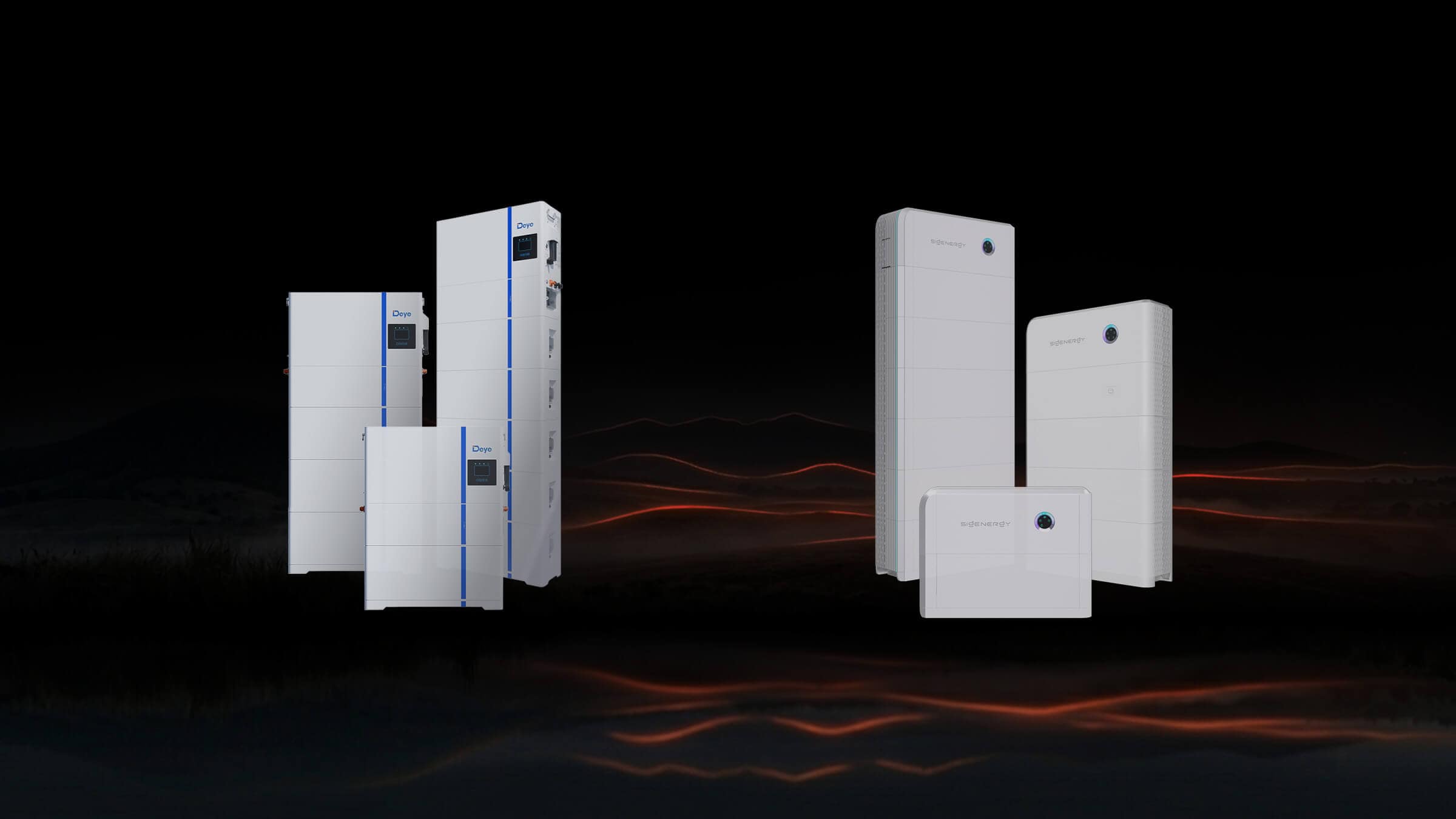
Sigenergy and Deye are both capable off-grid systems. The difference is how they're built and what that means long-term. 100up designs for both. We'll help you match the right system to how you actually live, and what makes sense for your budget now.
DEYE
Well suited to properties with more predictable occupancy and steady energy demand. Strong results depend on detailed load planning and careful off-grid system configuration design.
100up's regional design experience means Deye systems perform as intended in Victorian conditions
Capable and reliable when correctly sized and configured for your site and usage
Right choice for homes with stable, predictable energy needs
SIGENERGY
Better suited to properties handling variable occupancy, guests, or hybrid work patterns. Modular redundancy helps maintain operation if servicing or maintenance is ever required.
Modular by design. Expand capacity or add EV charging without replacing components
Each unit operates independently, so a fault never takes down the whole system
Higher equipment cost, lower lifetime complexity
Solar System
Solar Array Options
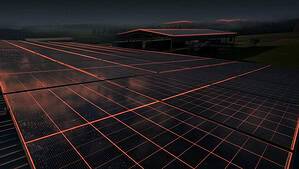
Larger households create overlapping energy demand patterns that basic solar sizing often misses.
Jinko Panels
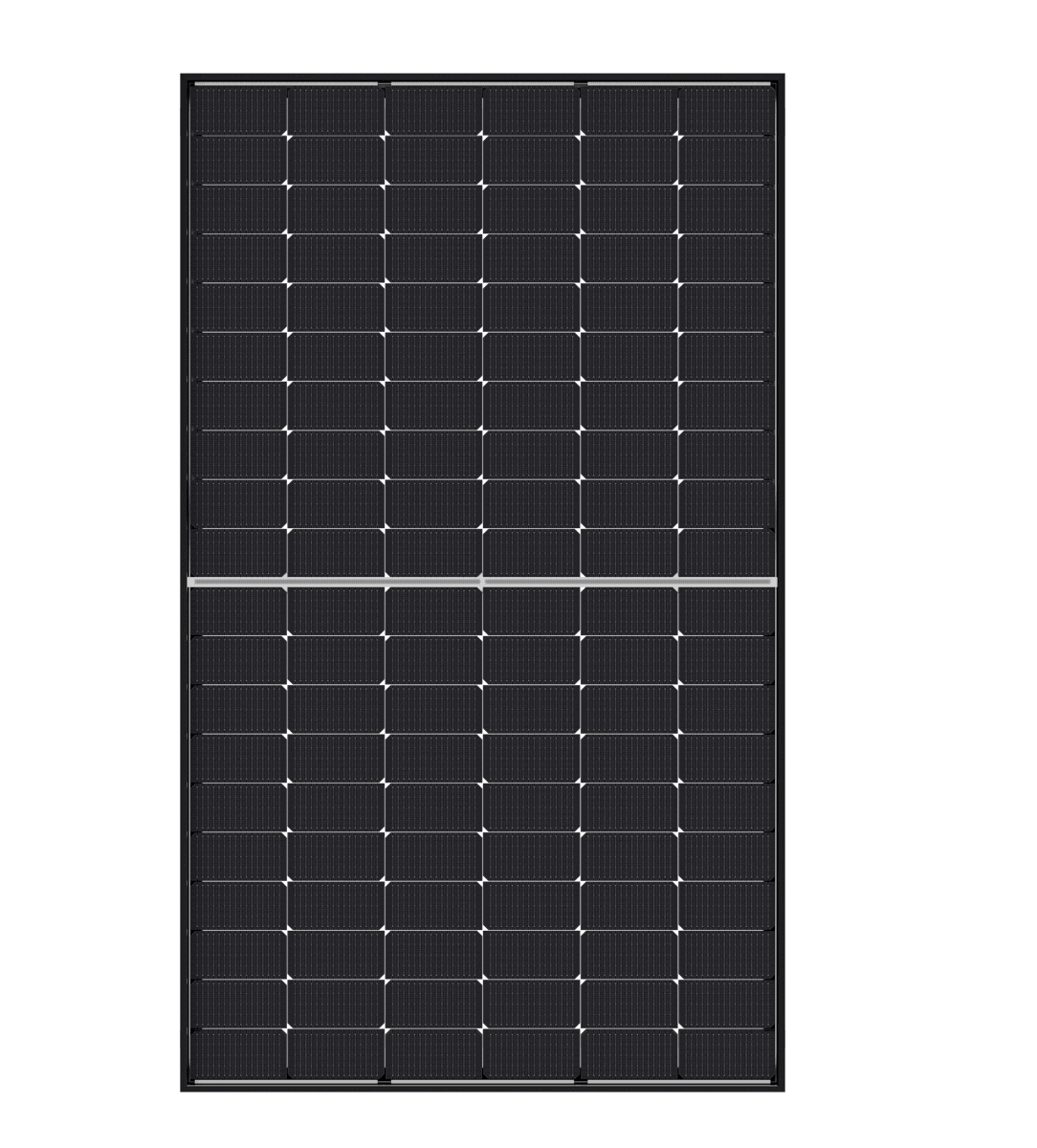
High-output panels that perform best on roofs with clear, unobstructed sun exposure.
Aiko Panels
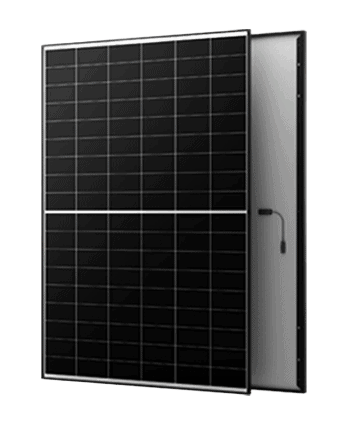
Back-contact cell design that maintains more consistent output when part of the panel is shaded by trees, antennas, or nearby structures.
Expansion Options
EV & Expansion
Future Energy Needs Start With Smarter System Planning Today
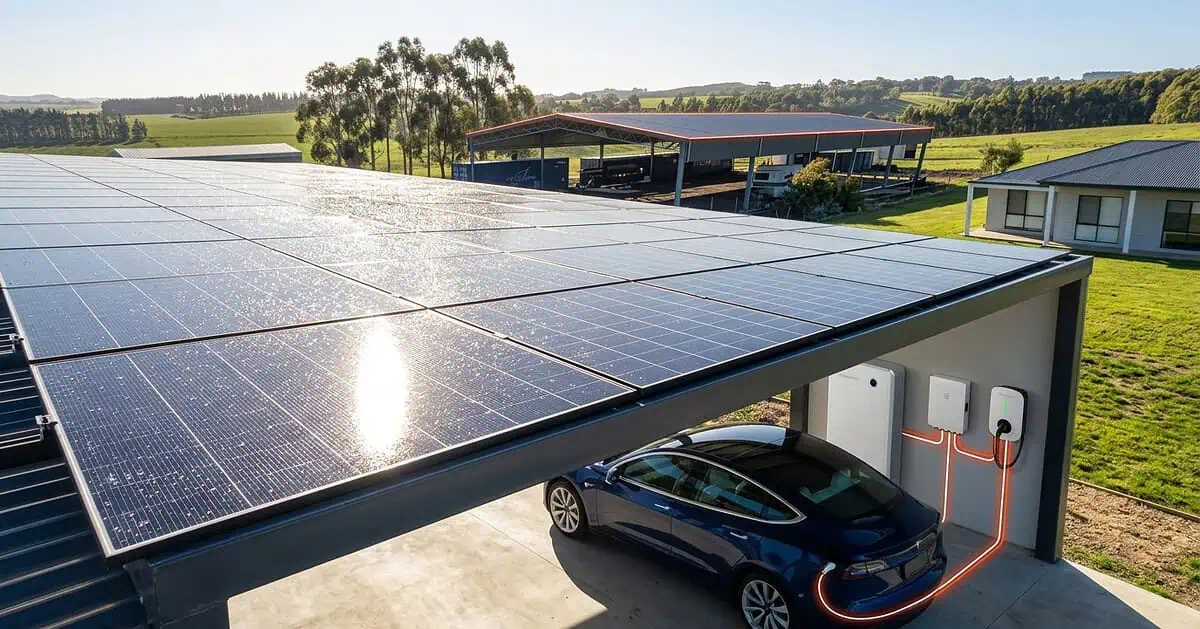
Thinking about EV charging in a few years? We can design your system now to handle it, so you're not retrofitting later.
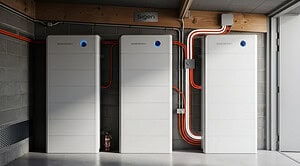
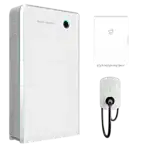
Electric Vehicle Charging
Capacity to run your home off grid on battery or your car in emergencies
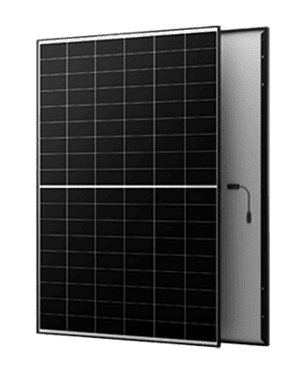
Solar Array Expansion
Back-contact cell design that maintains more consistent output when part of the panel is shaded by trees, antennas, or nearby structures.
Backup Power & Redundancy
Back-contact cell design that maintains more consistent output when part of the panel is shaded by trees, antennas, or nearby structures.
How it works
How We Design Your Extended Family, Investment or Large Regional Property
Large off-grid properties place very different demands on a system. Multiple occupants, guest accommodation, events, workshops or seasonal peaks can create substantial loads that require careful planning from the beginning.
Regional homeowners
Ballarat Homes
Farms & Acreage
New Property Purchases
Existing Off-Grid Homes
Commercial & Business
Understand Your Situation
We identify peak occupancy levels and the loads that come with visitors, entertaining, EV charging, or seasonal use.
1
Design for Your Needs
The design is stress-tested against winter conditions and high-demand periods, not average consumption figures.
2
Match to the Right System
The design is stress-tested against winter conditions and high-demand periods, not average consumption figures.
3
Quote & Install Plan
You'll receive a complete proposal covering specifications, installation timing, and exactly how the system has been designed.
4
OFF GRID SOLAR FAQ's
YourOff Grid Questions Answered
Start with a phone call - if you have more questions about your Bedroom home
Yes. All electrical work on a 100up system is done by licensed electricians who are accredited solar installers.
They’re a small crew Fred has worked with for years and chooses for each job. Fred designs every system and stays with it from start to finish. He does the site assessment and the design, is on site during the install, and handles commissioning and handover.
You deal with one person who knows your system and is accountable for the whole job.
Every install comes with the compliance paperwork Victoria requires, including the Certificate of Electrical Safety, plus the documentation for any STC incentives.
We handle the installation records and compliance documentation that sit with us as the installer.
Where an incentive applies, we confirm the relevant requirements when preparing your proposal.
We install across regional Victoria.
Share your property’s location when you enquire so we can confirm availability and discuss any site-access requirements.
Yes. We assess your existing equipment and power needs before recommending what can be retained, expanded or replaced.
Compatibility and equipment condition affect what’s practical.
Tell us about planned additions such as extra occupants, pumps, workshops or EV charging.
We consider those loads during design and explain the expansion options for the proposed equipment.
REgional Victoria OFF-GRID INSTALLATION
Off-Grid Solar, Installed Across Regional Victoria
Off-grid has been our sole focus since 2015. That experience means every design decision is made for reliability and autonomy.
Based in Ballarat, Fred and the team design and install off-grid solar systems across regional Victoria.
Ballarat
Bendigo
Geelong
Grampians
Castlemaine
Fred installed our solar. Very honest very reliable. He goes above and beyond. Tries his best to help. Does a great job. I recommend.
Dino Papa
Verify reviewQuotation & installation process. They have been unfailingly helpful and never failed to communicate pro-actively & effectively.
Andrew Webb
Verify reviewFred did a great job was extremely patient with the slow build Clean and tidy Explained what he was doing along the process
Darcy Joynson
Verify review
100up Off Grid Solar Installed • Solar Projects
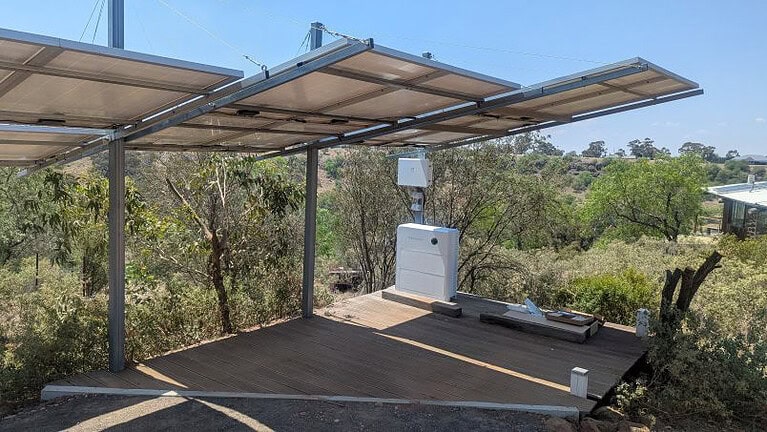
Regional Victorian Home Owners 100% Off Grid with properties just like yours
100% OFF GRID
We Design, Supply & Install Off Grid Systems
Access to Government Rebates
Expand and Upgrade Ready
Remote Monitoring & Support
Complete System Documentation
Proven Components & Accredited Installers
Off‑grid systems installed by 100up 's trusted SAA‑accredited electricians using CEC‑approved products.
Suggested 4-Bedroom Solar Kit
System sizing is theoretical. Performance figures are modelled estimates only and are not a guarantee of output, savings, or payback period. Actual results may vary
Max Occupancy
5 People
Home
4 Beds
Daily Demand Target
30
Inverter
2 × 10 kW
Battery
54–56.1
SOLAR Arrary
36.6–37.1
After Rebate
$63,000–$69,400
10+ Years Precision Installation
Power your4-Bedroom off-grid,for every season.
Not sure what system fits your property?
Talk to us about your usage and energy plans.
Talk to us about your usage and energy plans.
Local Ballarat Team
Active Installs Across Victoria