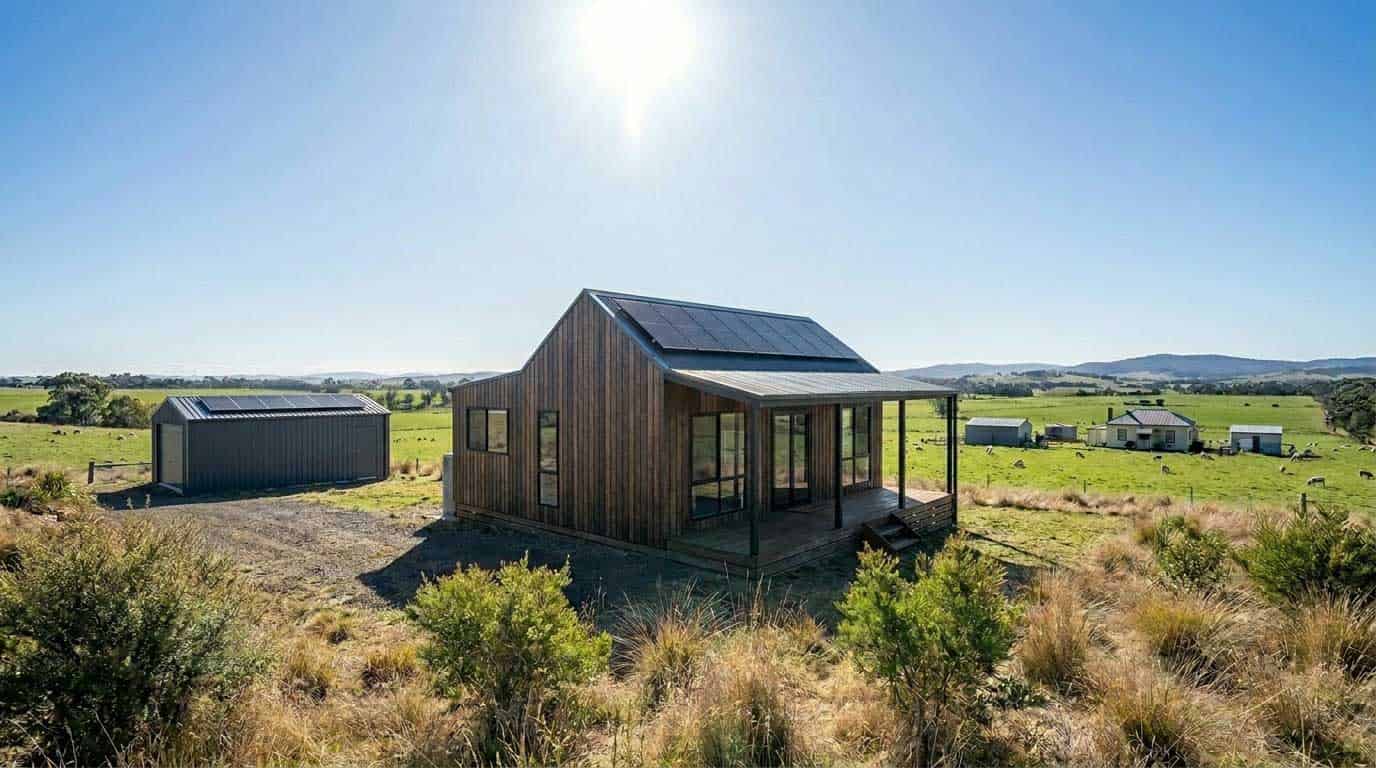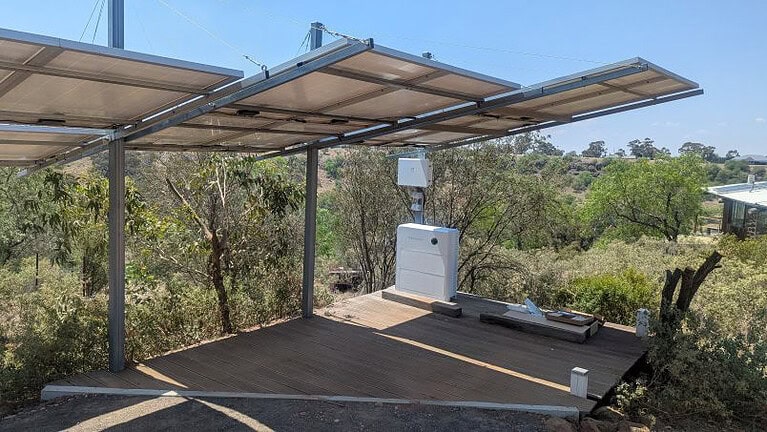
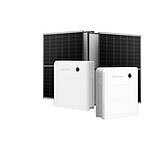
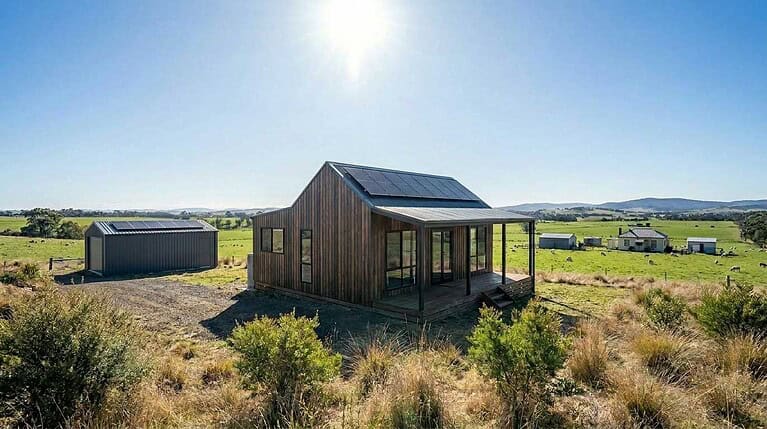
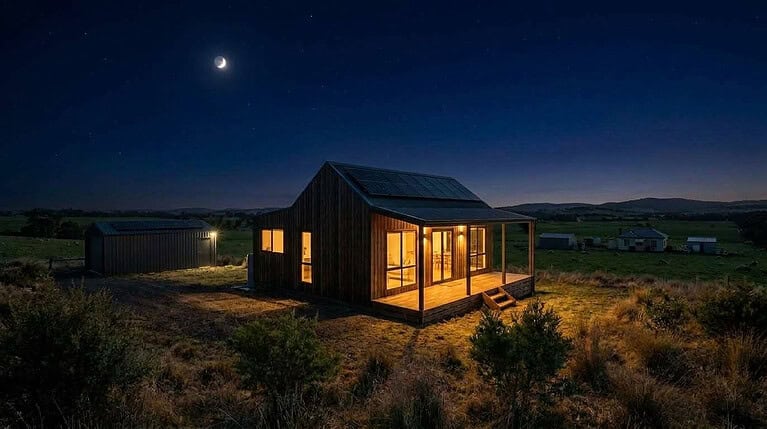
Power use in a weekender is rarely predictable. A property might sit empty for weeks, then need to run everything the moment someone arrives. The system needs to handle both without wasting money on unnecessary capacity.
Here’s a rough guide to installed system costs in Australia:
| Household Size | Typical System | Installed Cost (approx.) |
|---|---|---|
| 1–2 people | 5–8 kW | $18,000 – $22,000 |
| 3 people | 10 kW | $28,000 – $30,000 |
| 4 people | 15 kW | $34,000 – $38,000 |
| 5+ people | 20 kW | $46,000 – $50,000 |
Prices are approximate and after rebates. System cost varies by location, equipment quality, and battery storage required.
Worth keeping in mind: connecting a rural property to the grid typically starts at $25,000. Figures of $60,000 to $100,000 are common. Against that, an off-grid system starts to look like the rational choice.
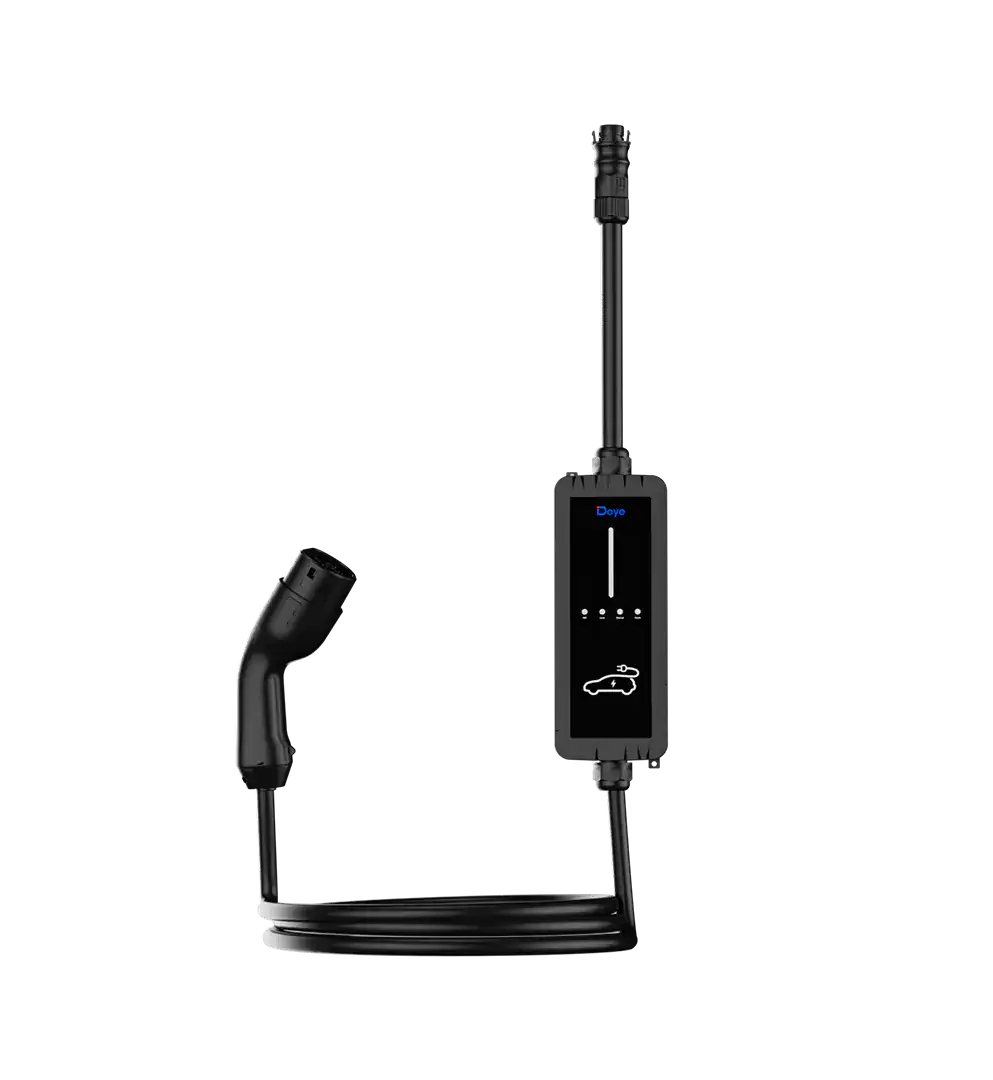
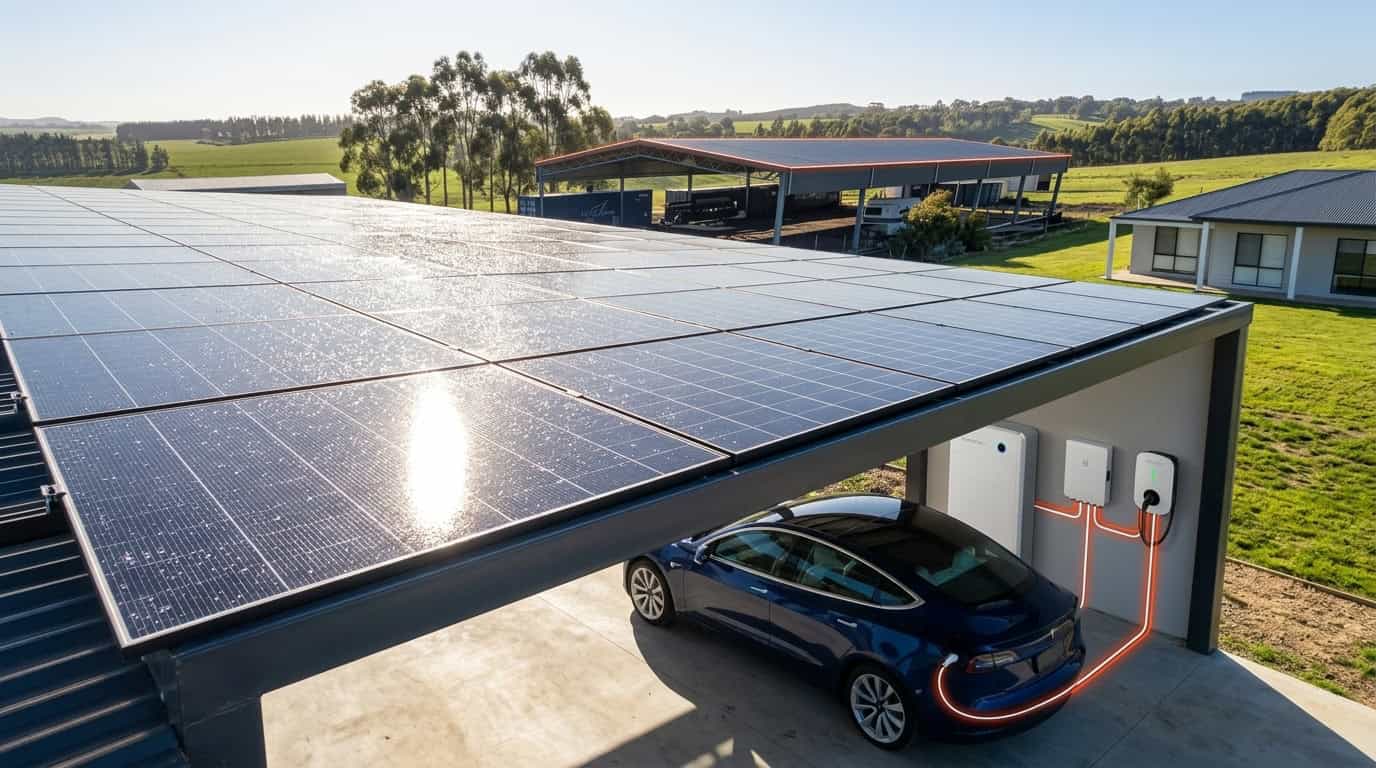
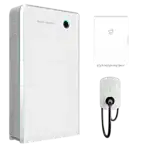
Yes — where the vehicle and charger support bidirectional (vehicle-to-home) operation.
A V2H charger lets the car battery feed the home during extended cloud, peak evening cooking load, or when the home bank is low — then recharge from solar when production returns.
Not every EV or charger supports this yet. Check vehicle spec and charger compatibility before assuming V2H.
On large 5-bed properties with events or extended family, an EV adds a meaningful second storage reserve beyond the home battery bank — worth planning into system design as the technology becomes more common.
Yes. Every 100UP system is sized for maximum occupancy — not just who’s living there today.
The 100UP Way: 5 kWh for the house, plus 5 kWh per person by bedroom capacity. A 4-bedroom install is engineered for up to eight people — heating, hot water, cooking, appliances running together.
That covers family visits, Airbnb guests, changing household size, and resale — a buyer isn’t inheriting a system that only worked for two people.
Full house, full load — that’s the scenario we design for.
If you might add an EV, more appliances, more people, or heavier heating/cooling in the next 3–5 years, plan expansion now — retrofitting an undersized platform costs more than sizing the infrastructure correctly upfront.
Prevention approach:
Simpler only makes sense when usage is genuinely stable — no family change, no EV, no new heavy loads. Most households grow energy demand over time.
100UP’s default: plan for expansion. Lower cost now, fewer expensive regrets later.
Yes. Modern off-grid systems need little attention when the property is vacant. Solar keeps the battery topped up; the BMS balances cells — no manual wake-up routine.
Before you travel, check remote monitoring: state of charge, recent production, any alerts. You arrive knowing power is ready.
Unlike some legacy setups, there’s no awkward cold-start — depending on configuration, the system is already live or one switch away.
That’s why weekender and short-stay properties suit off-grid well — the system works between visits without babysitting.