
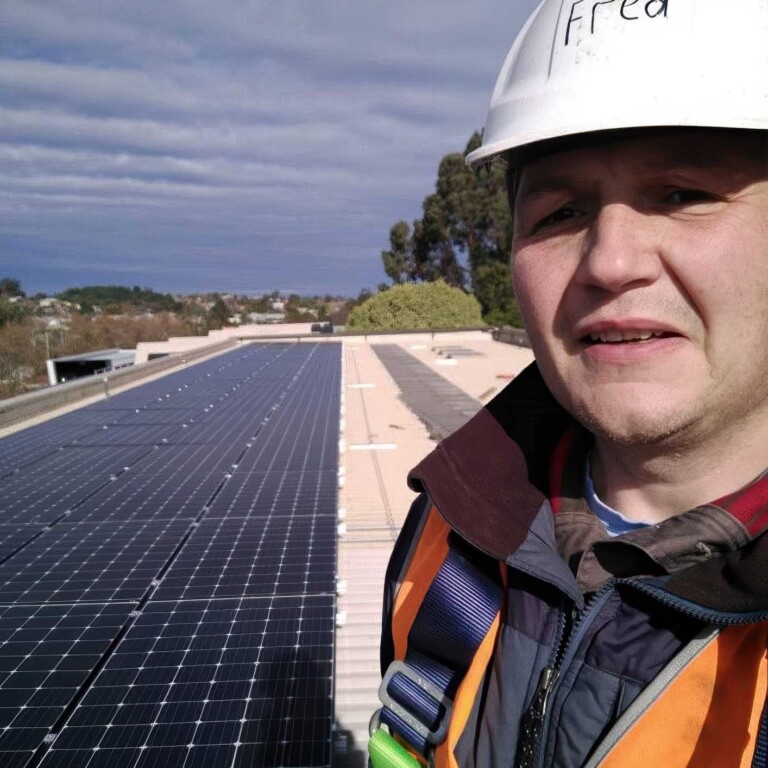
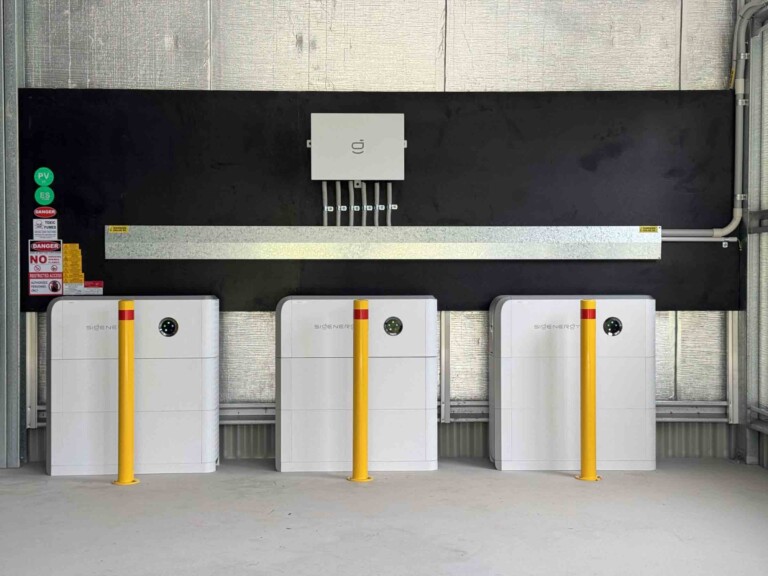
Kempsey TripleShield off-grid system upgrade designed and built for reliable generator-free performance.
Summary
The site started with an ageing off-grid system that needed urgent help. It moved through a temporary 12kW of solar panels on a 6kW Signegery inverte replacement that proved itself in real operation. And it has now landed on the finished solution: a TripleShield Off-Grid Solar System with 37kW of Jinko solar, 18kW of inverter capacity, and 48kWh of battery storage, designed to keep the property supplied even if one part of the system goes down.
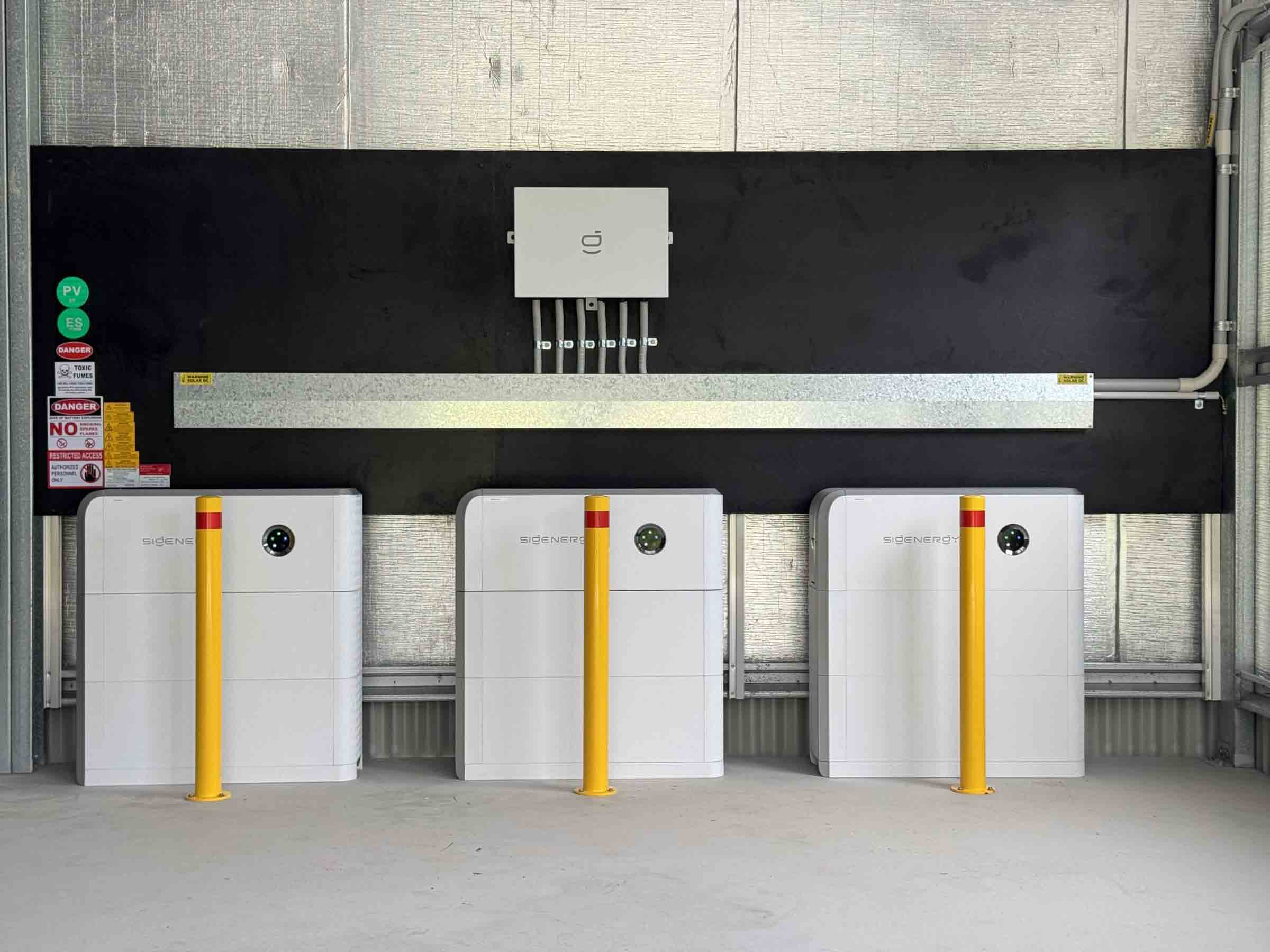
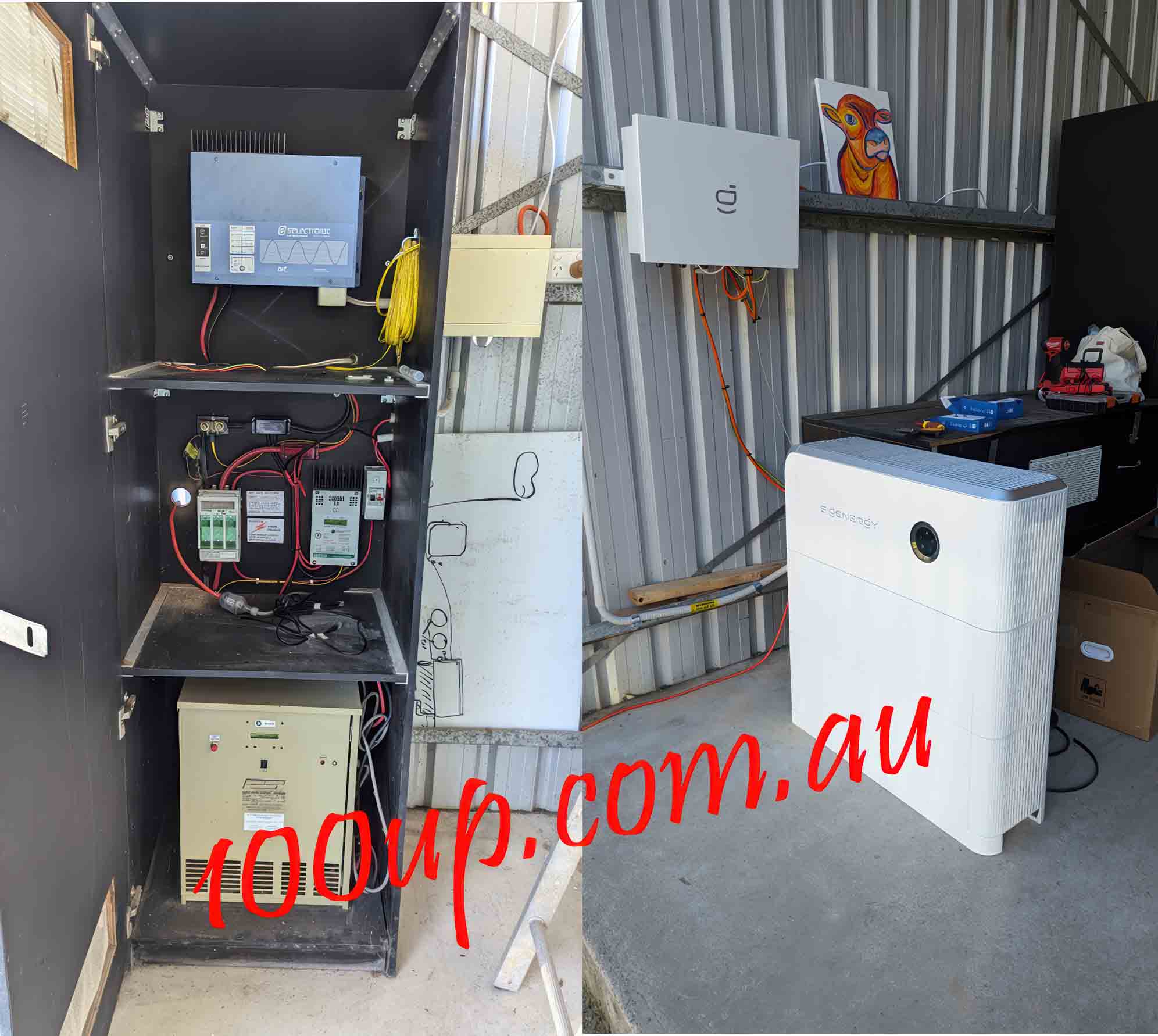
We’ve completed a TripleShield Off-Grid Solar System in Kempsey, NSW, near Port Macquarie.
This installation includes 37kW of Jinko solar, 18kW of inverter capacity, and 48kWh of battery storage, all designed to give the property reliable off-grid power with built-in redundancy.
Sigenergy Design with 3 layers of Redundancy
The system runs with three independent Sigenergy units in parallel. If one unit fails, the remaining systems continue supplying power without interruption. That means the essentials stay on, refrigeration keeps running, and the property doesn’t suddenly drop into a power crisis because of a single point of failure.
Emergency off grid Solar Replacement in NSW
But the real story here started earlier, when the site needed power urgently and the first stage of the project was installed as a temporary replacement for a much older off-grid setup.
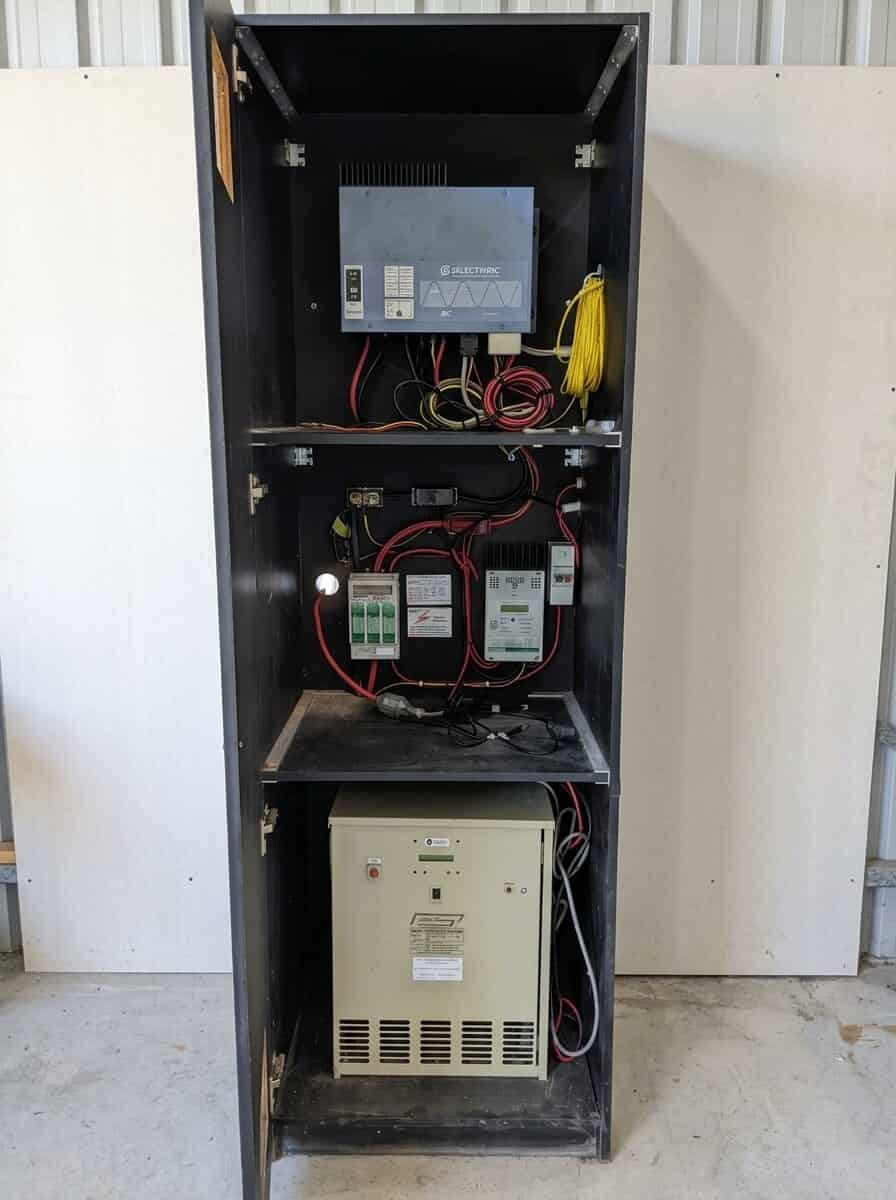
The original system had done its job for years. It was built in the style that was common 10 to 15 years ago, using older off-grid equipment including a Selectronic inverter and the kind of multi-component layout that used to be considered standard for serious remote power.
Those systems often relied on separate inverters, solar controllers, generator chargers, large cabling runs and a long list of supporting parts. They worked, but they were expensive to build and time-consuming to install. They are usually far more dependent on generators because panel capacity was small by modern standards.
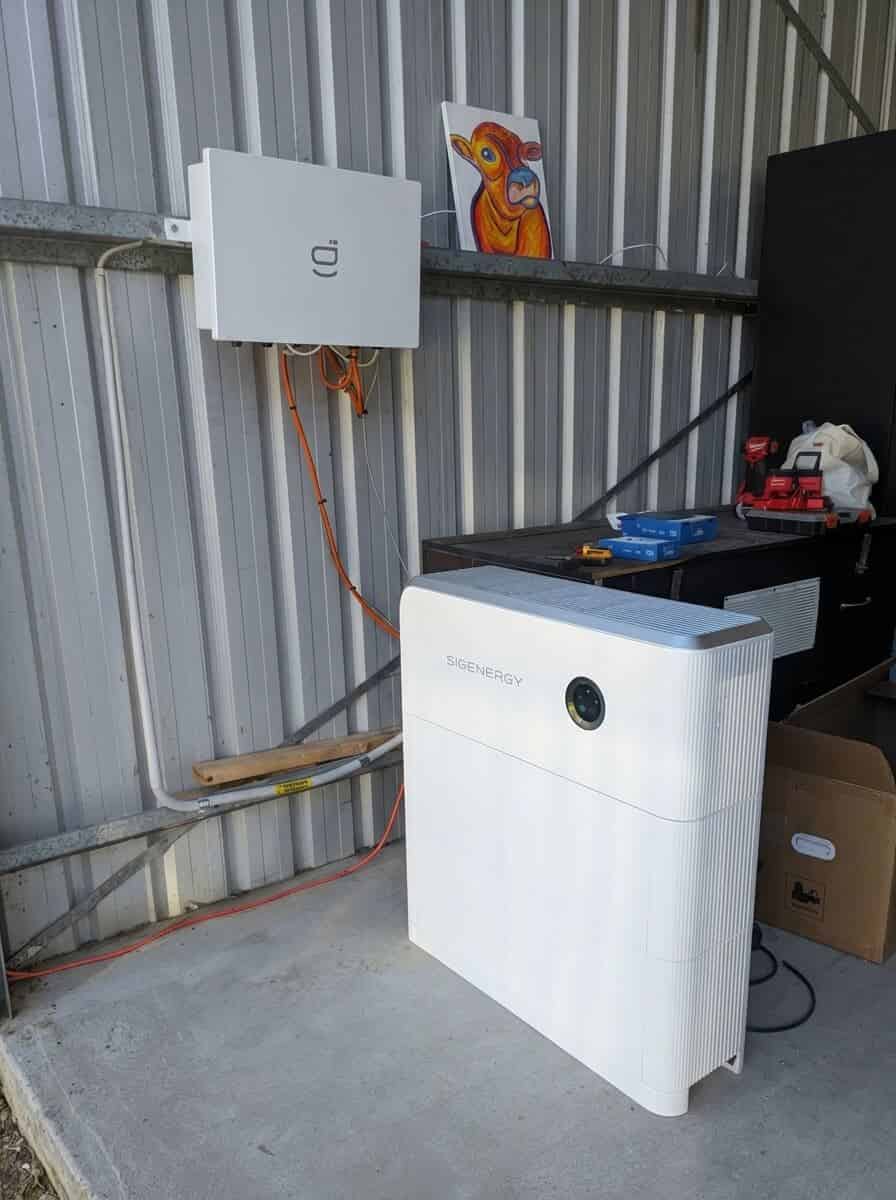
Power Restored Quickly With a Temporary Sigenergy Setup.
When this site needed an urgent solution we restored dependable power fast. The temporary installation was put in as a practical replacement. We installed 12kW of solar panels on a 6kW Signegery inverter, which guarantees daily power provision with minimal or no reliance on the generator.
The property could keep functioning while the final system plan was completed.
Even at that stage, the result was impressive. The temporary Sigenergy-based setup ran for months without problems and, at one point, continued operating reliably with just one inverter. It shows what modern off-grid hardware can do even before the full system is built.
It gave the owners immediate proof that a cleaner, more modern architecture could outperform the ageing system it replaced.
The new system pointed in the opposite direction. Fewer moving parts. Better integration. Stronger solar recovery. Smarter battery management. A platform that could scale.
You can see both the old system and the new system. No Judgement here. Older systems were built with the tools available at the time. But when you see the two side by side, the change in off-grid design is hard to ignore.
Now the final system is in. And it’s a serious piece of infrastructure.