
Off-Grid Solar Solutions Powering Fire Monitoring Towers Across Eastern Australia
Summary
PANO engaged 100up to power their remote fire-watching tower network across VIC, NSW, and SA. Each tower uses six 475W panels, Victron charge controllers and inverter, and two Pylontech US5000 batteries inside sealed IP-rated enclosures rated for heat, dust, wind, and months between maintenance.
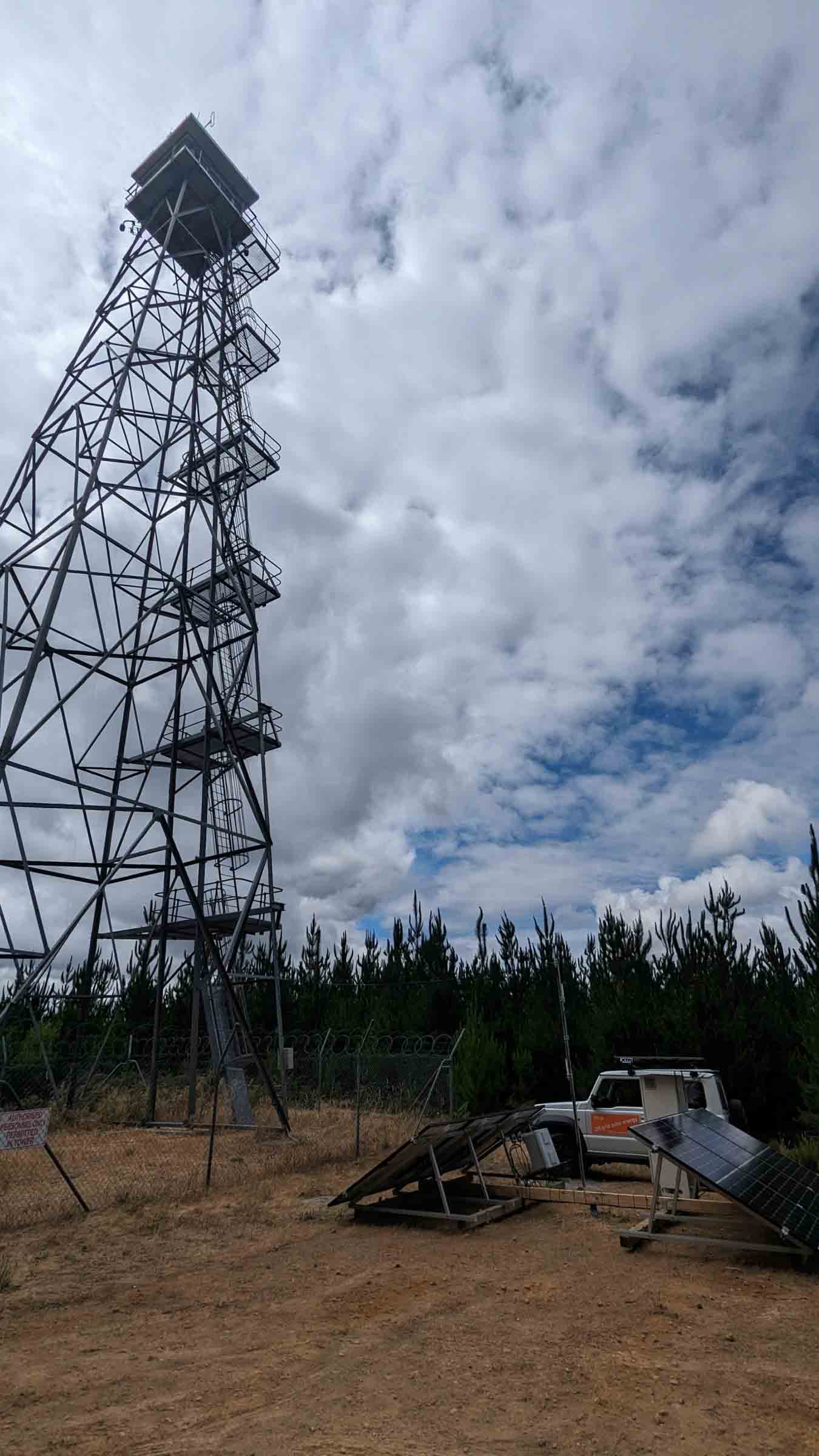
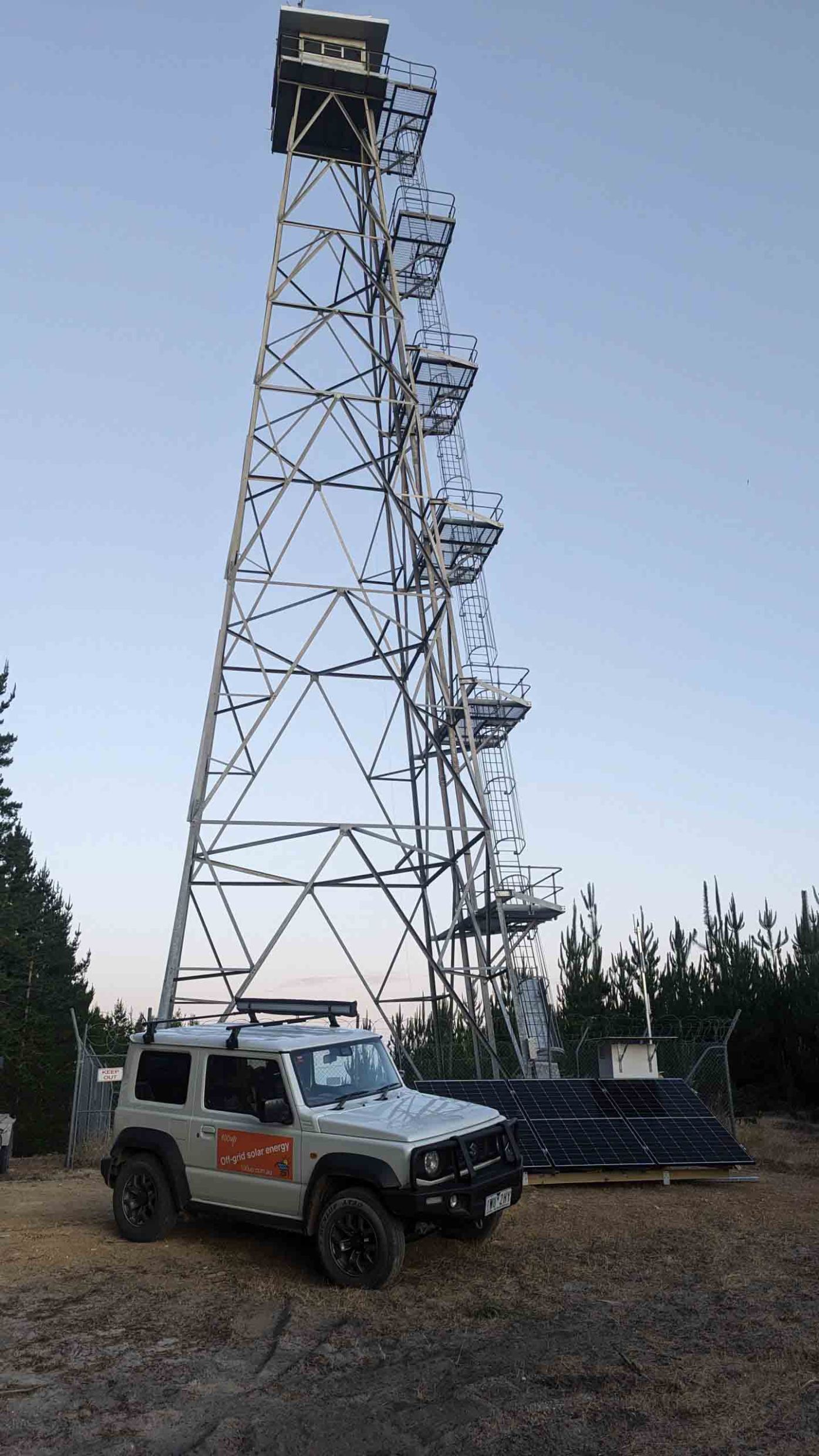
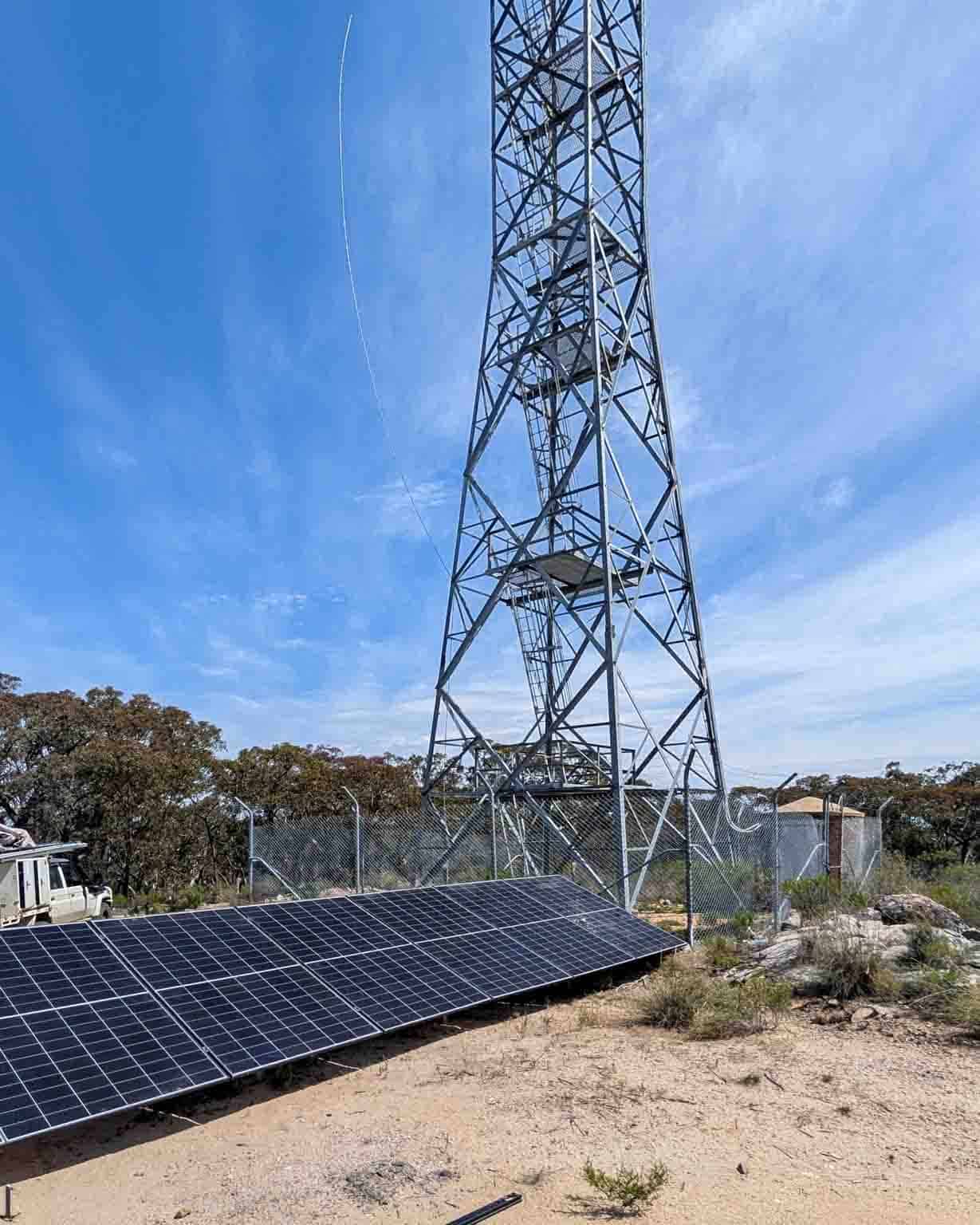
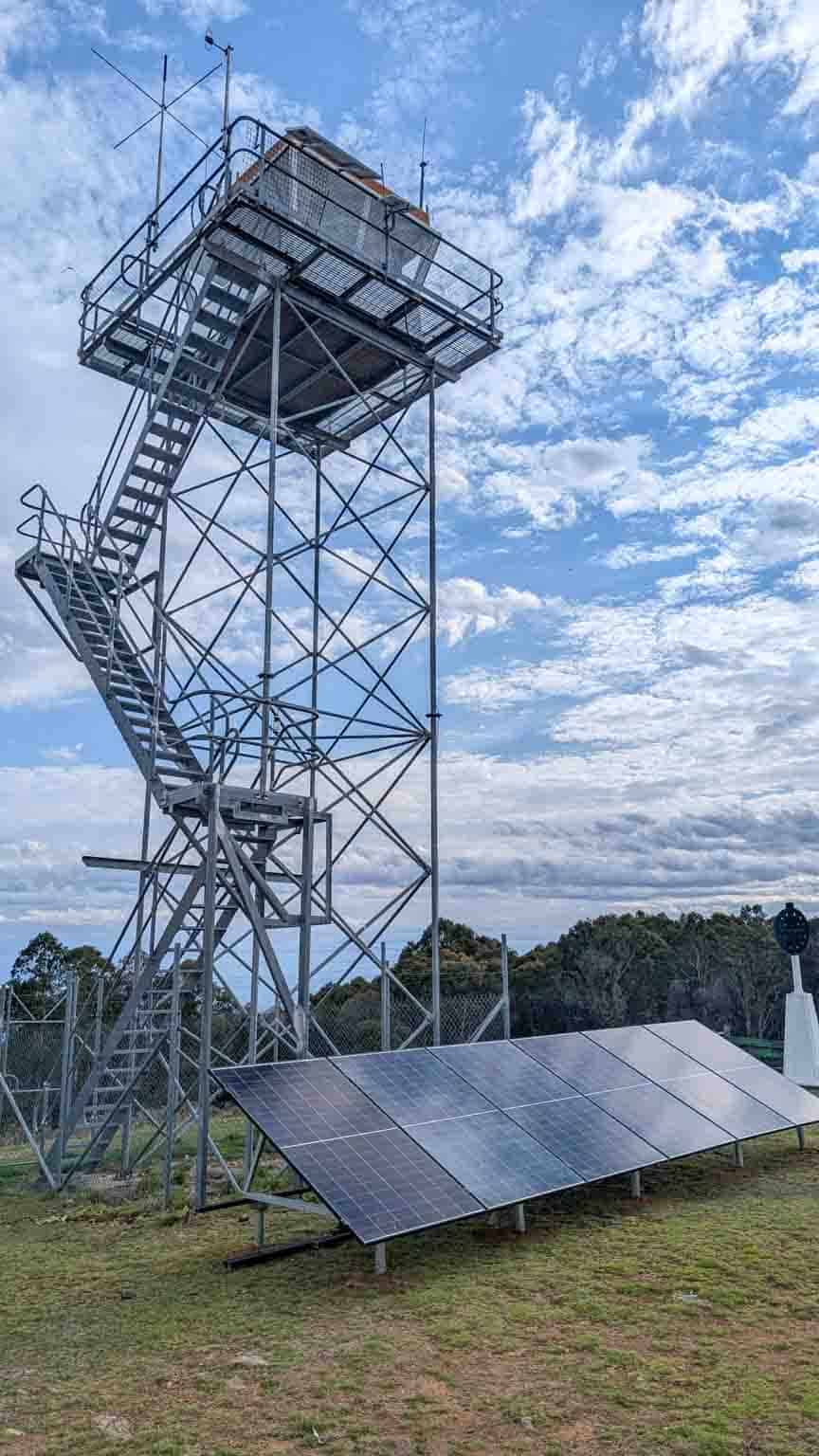
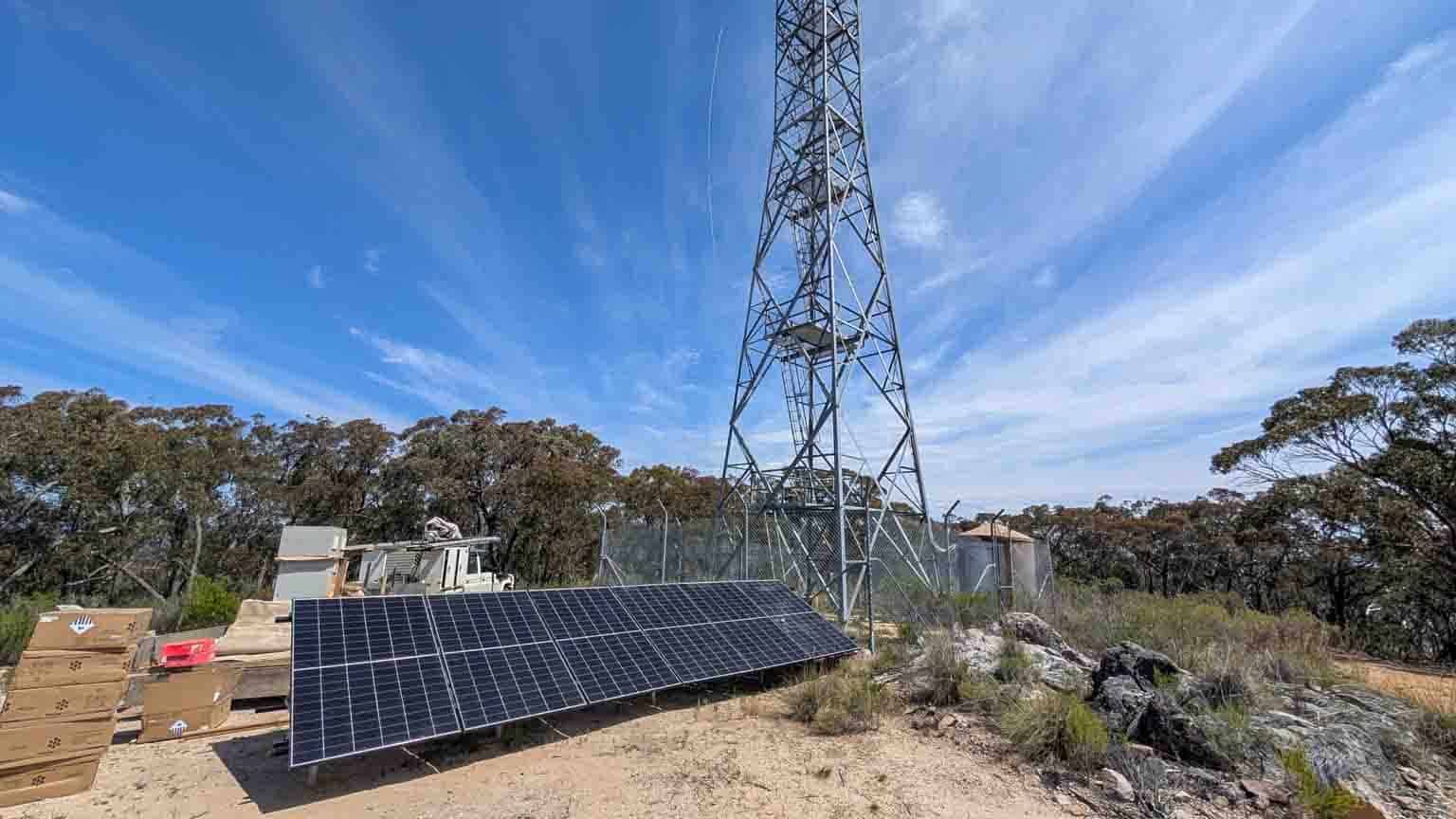
Fire monitoring towers don’t get second chances. When a camera goes dark, so does the coverage. That’s why when PANO engaged us to power their remote fire-watching network across three states, the brief was straightforward: autonomous, reliable power – no grid, no generator backup, no excuses.
We designed and installed a series of off-grid solar systems across sites in Victoria, New South Wales, and South Australia. The installations support PANO’s fire-watching project, which uses cameras mounted on towers to replace human monitoring and deliver 24-hour surveillance across high-risk forest and plantation areas, including the extensive forest plantations of the Mount Gambier region in South Australia.
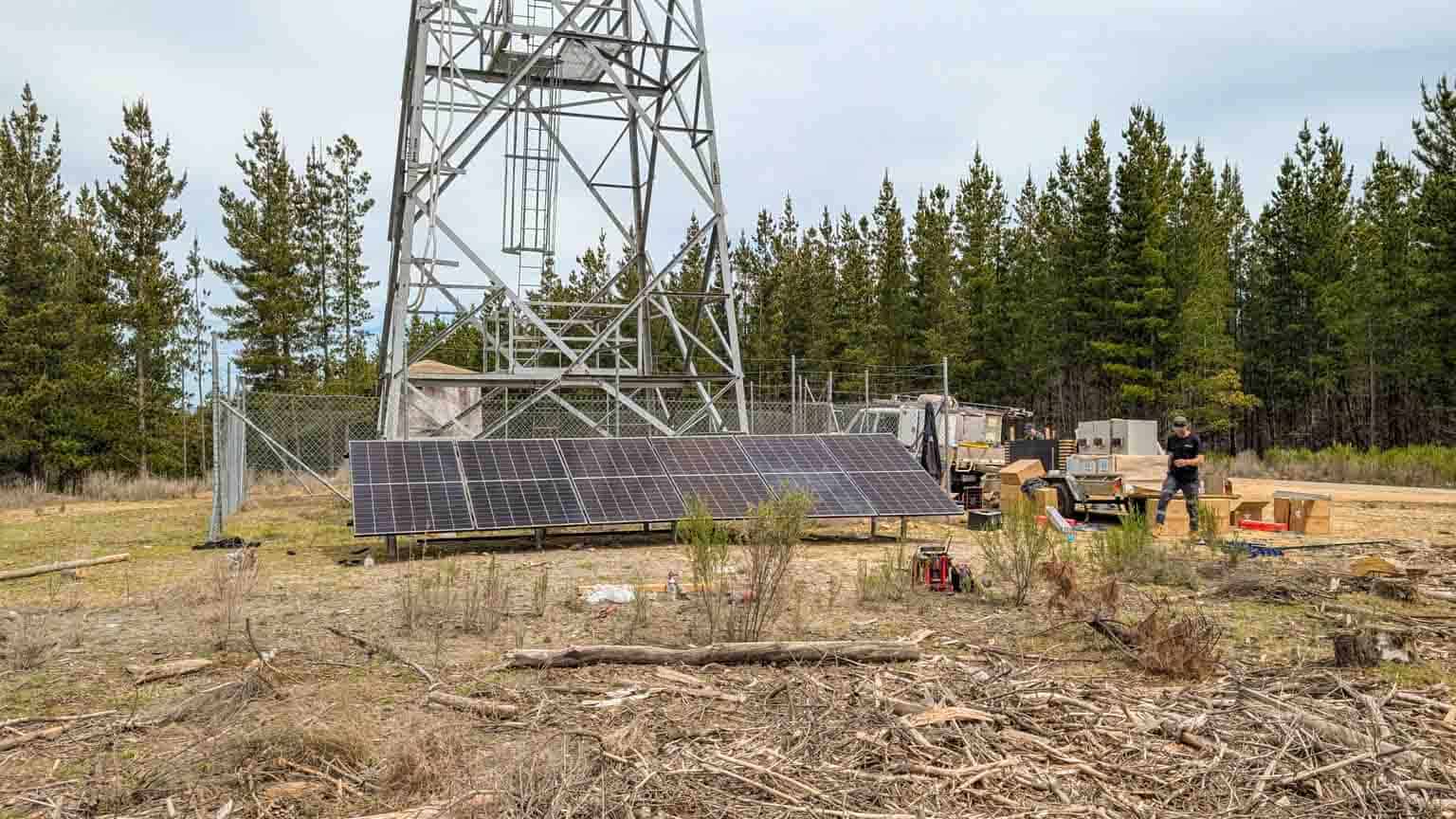
Purpose-Built Energy Systems for Critical Infrastructure
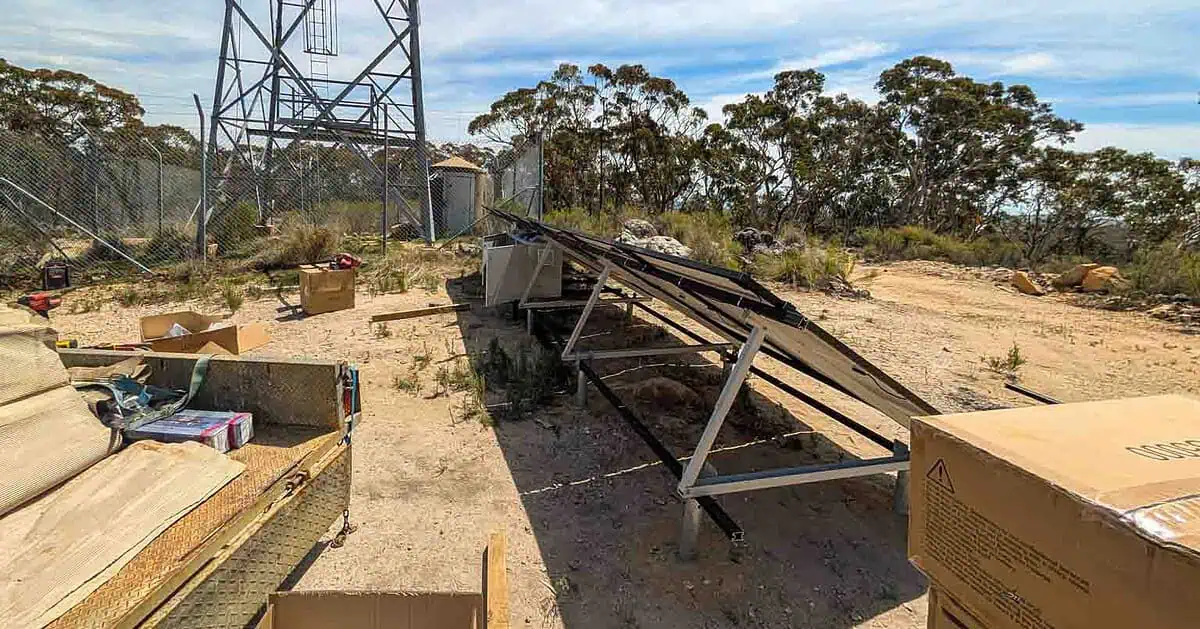
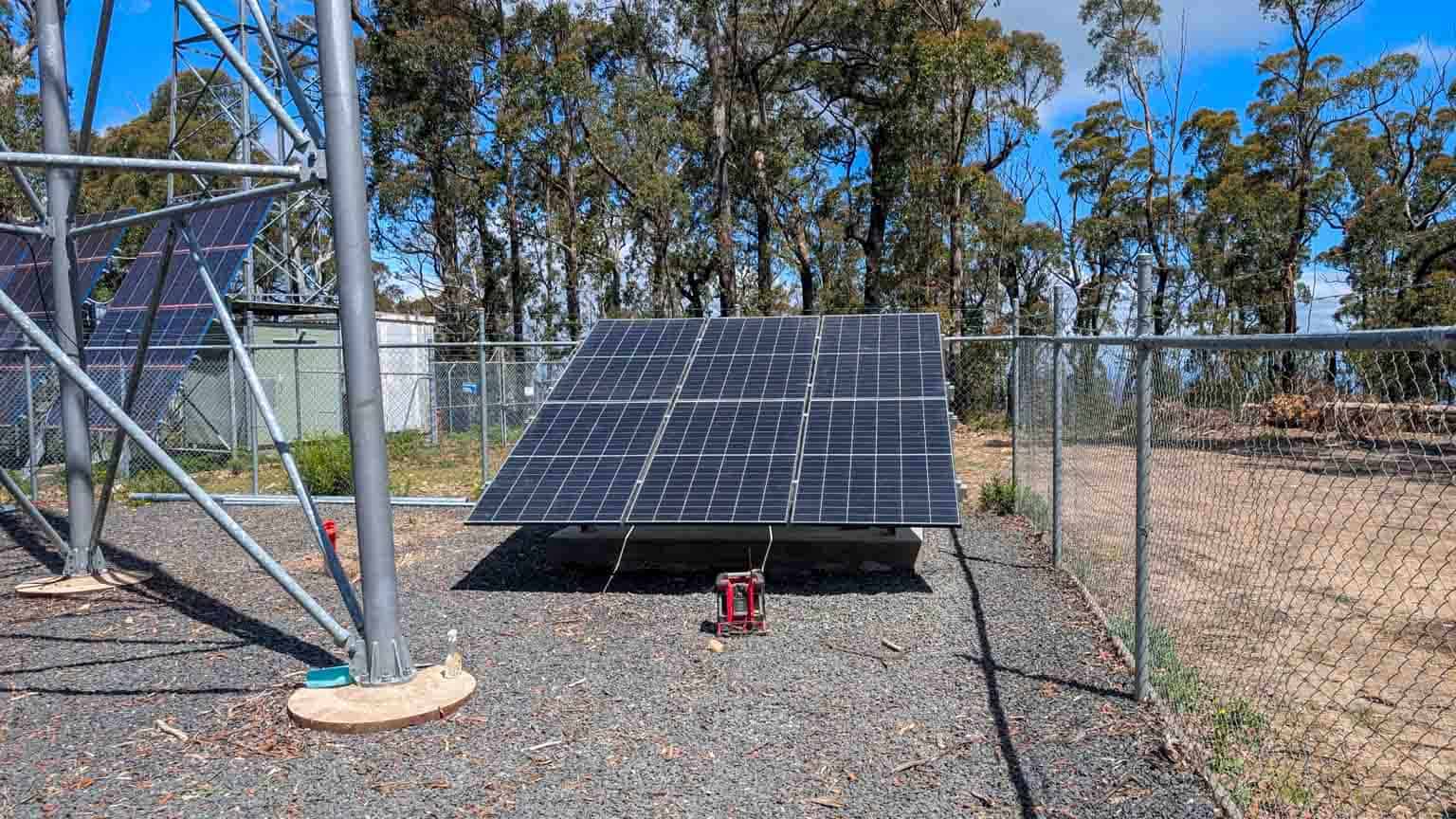
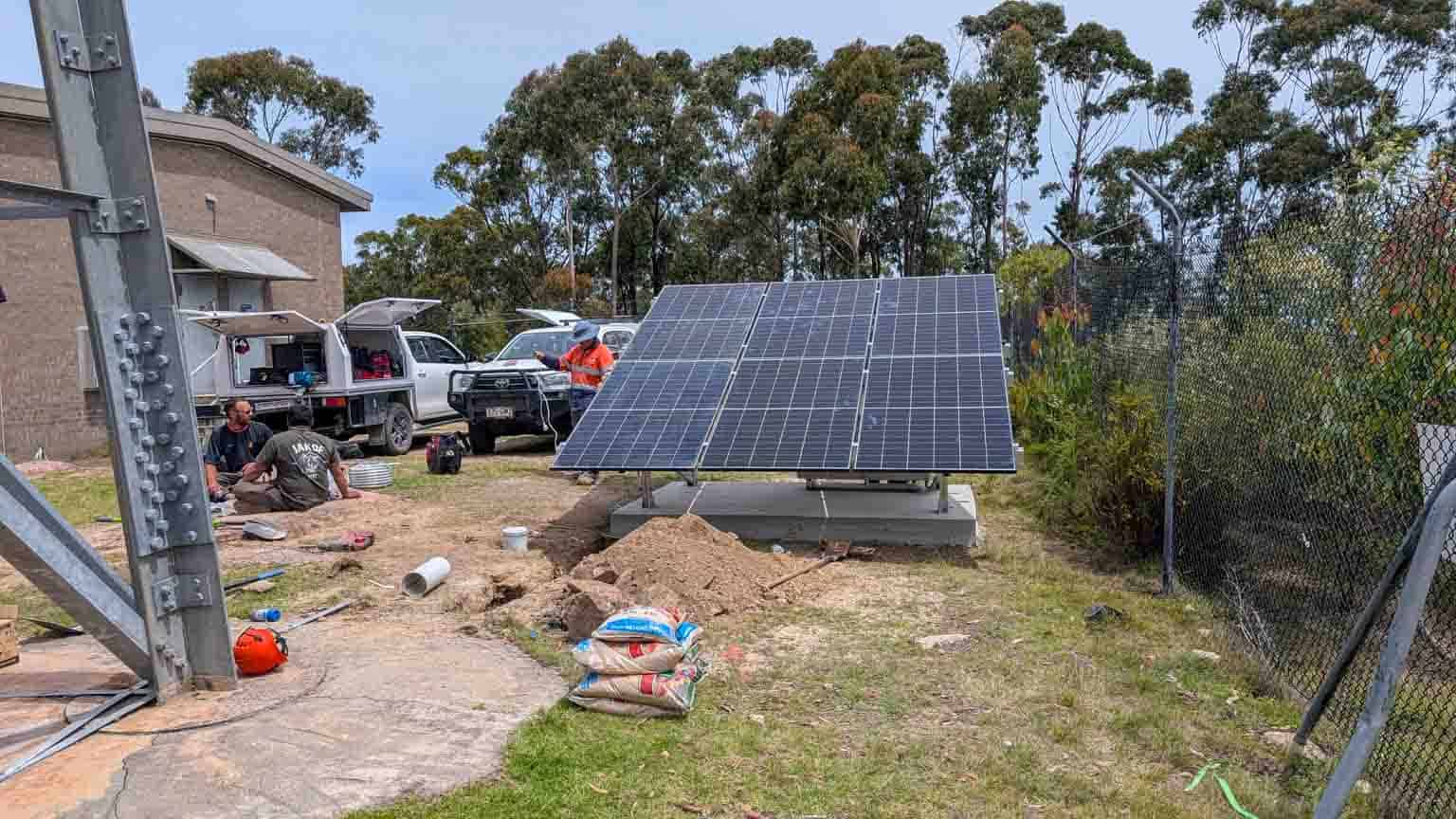
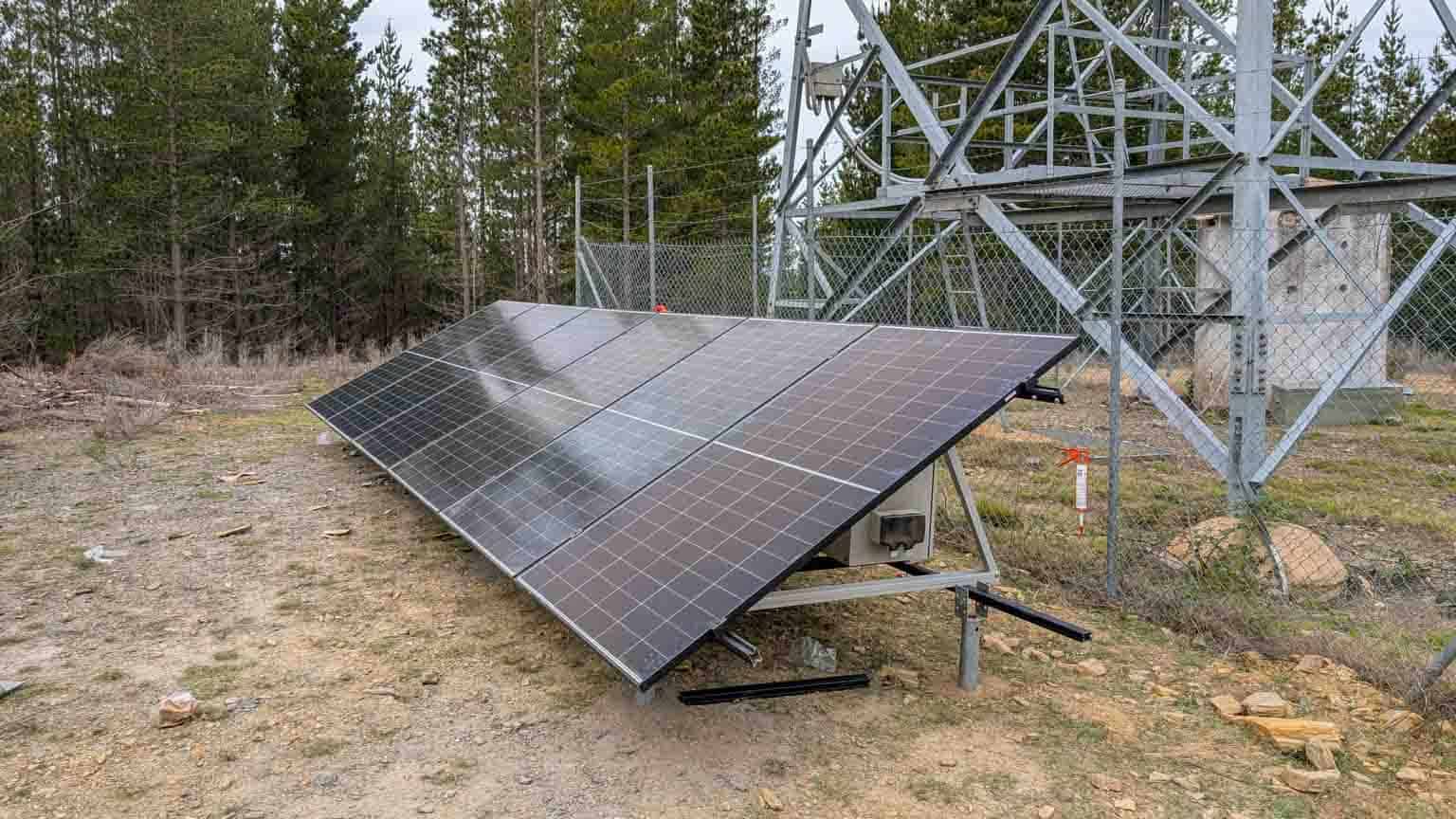
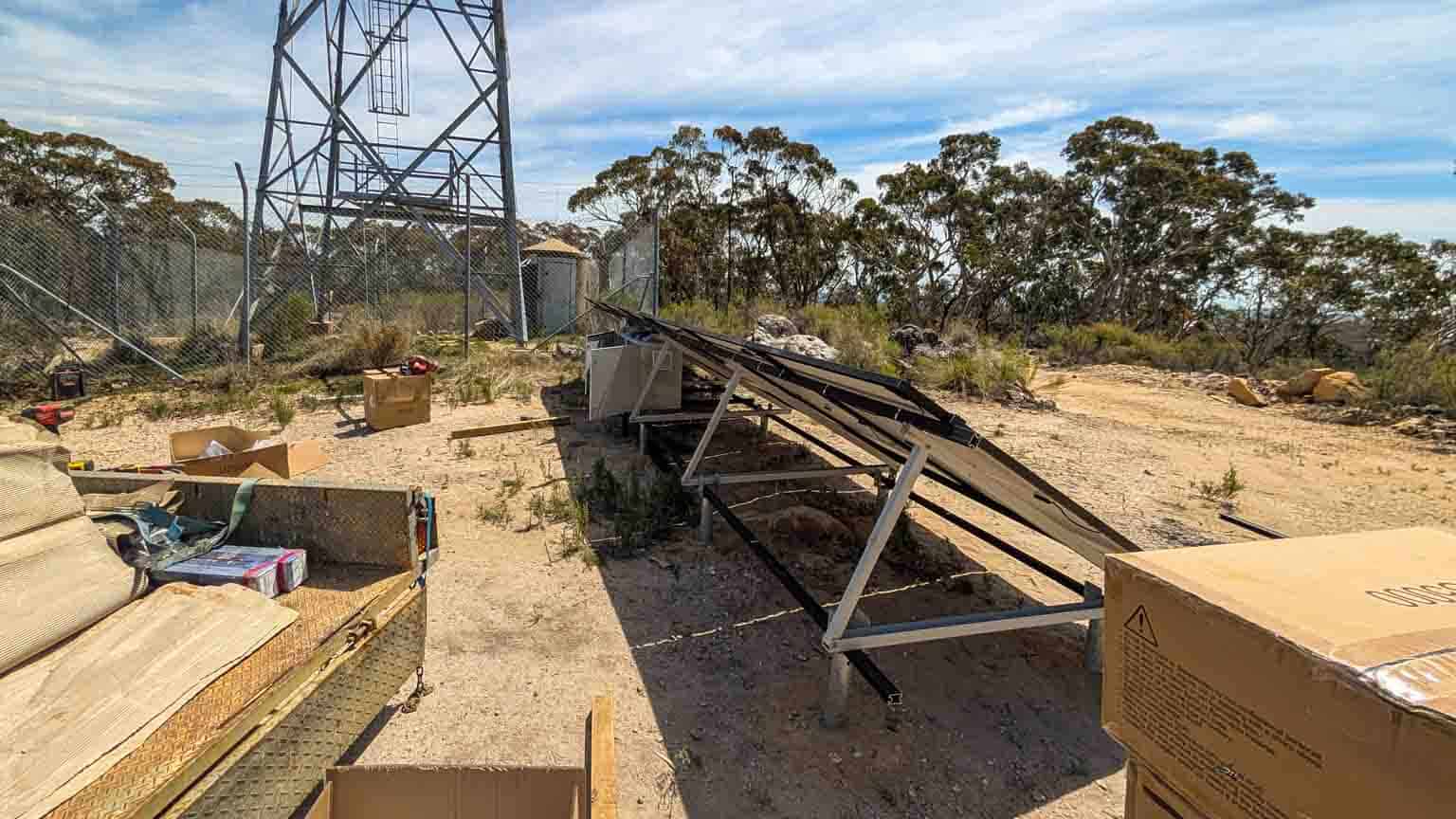
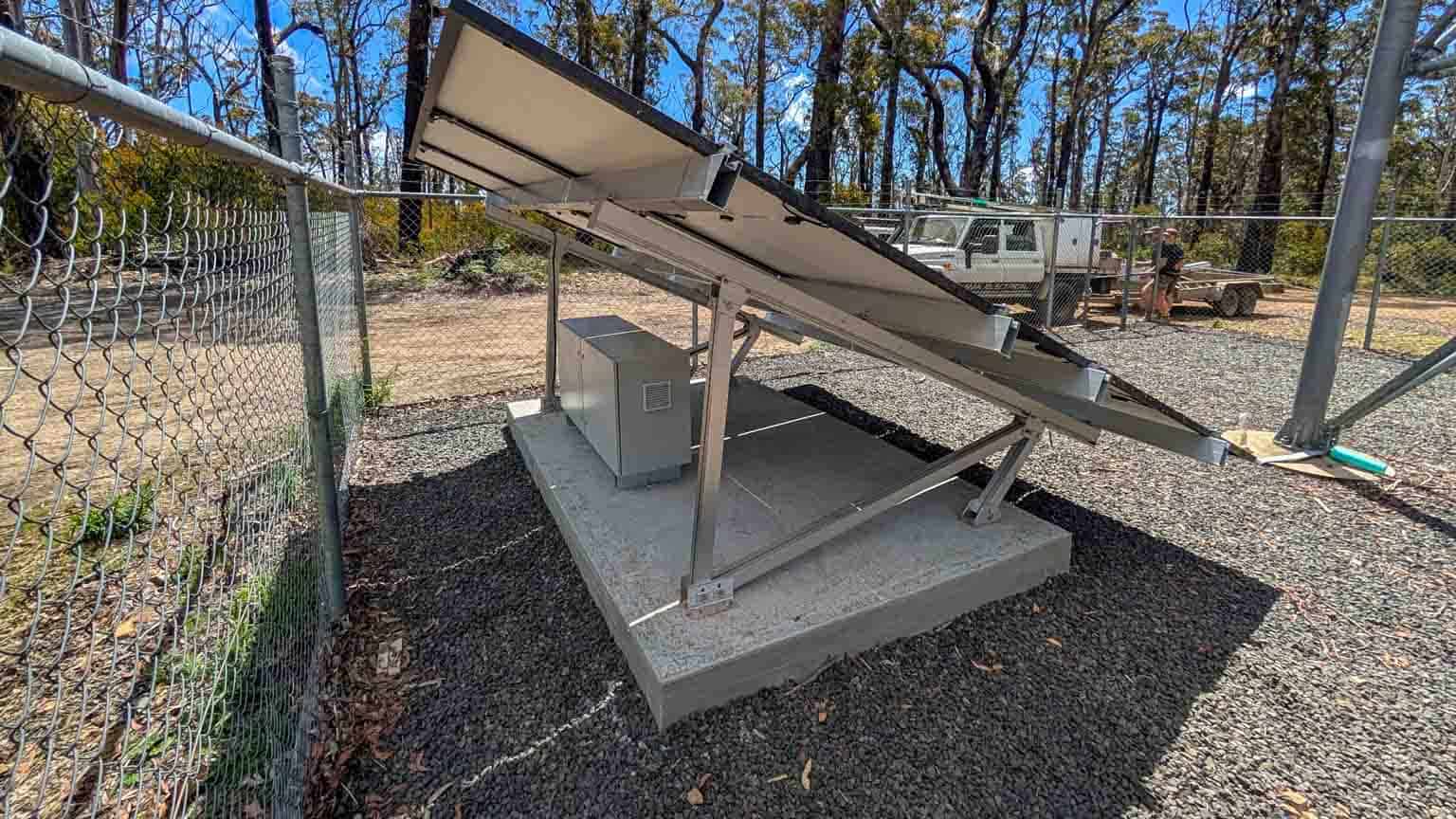
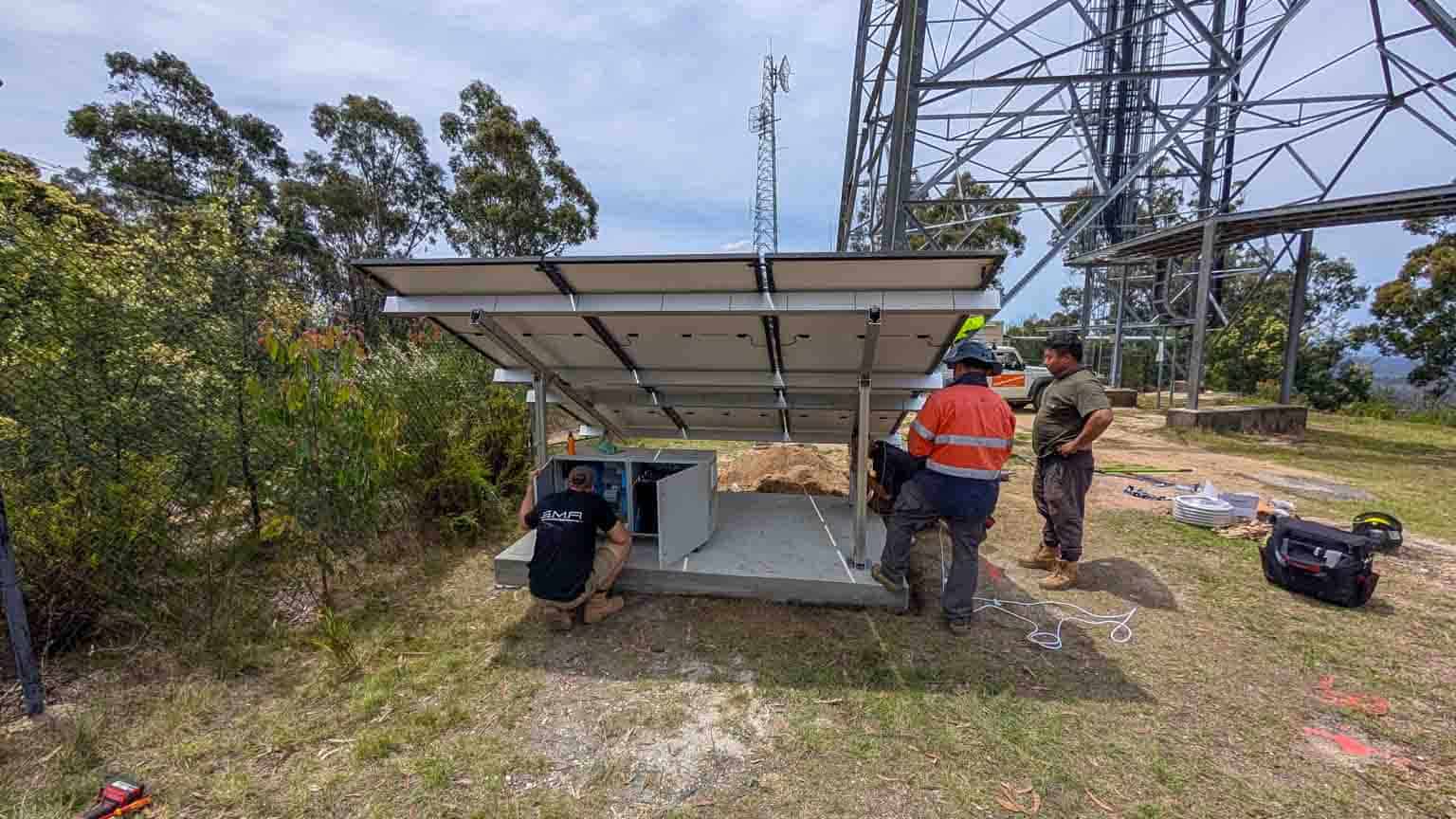
Each installation uses six 475W solar panels in a ground-mounted configuration, positioned for year-round solar exposure regardless of season. The electrical hardware, Victron charge controllers, Victron inverter, and two US5000 Pylontech batteries, is housed inside sealed, IP-rated outdoor enclosures mounted directly behind the panel arrays.
The enclosures are built for the conditions these sites throw at them: heat, dust, wind, and months between maintenance visits. Pylontech US5000 batteries are rated to operate at temperatures up to +50°C, and the Victron inverters to +60°C, even during the hottest days across all three states, we had zero thermal issues across the fleet.
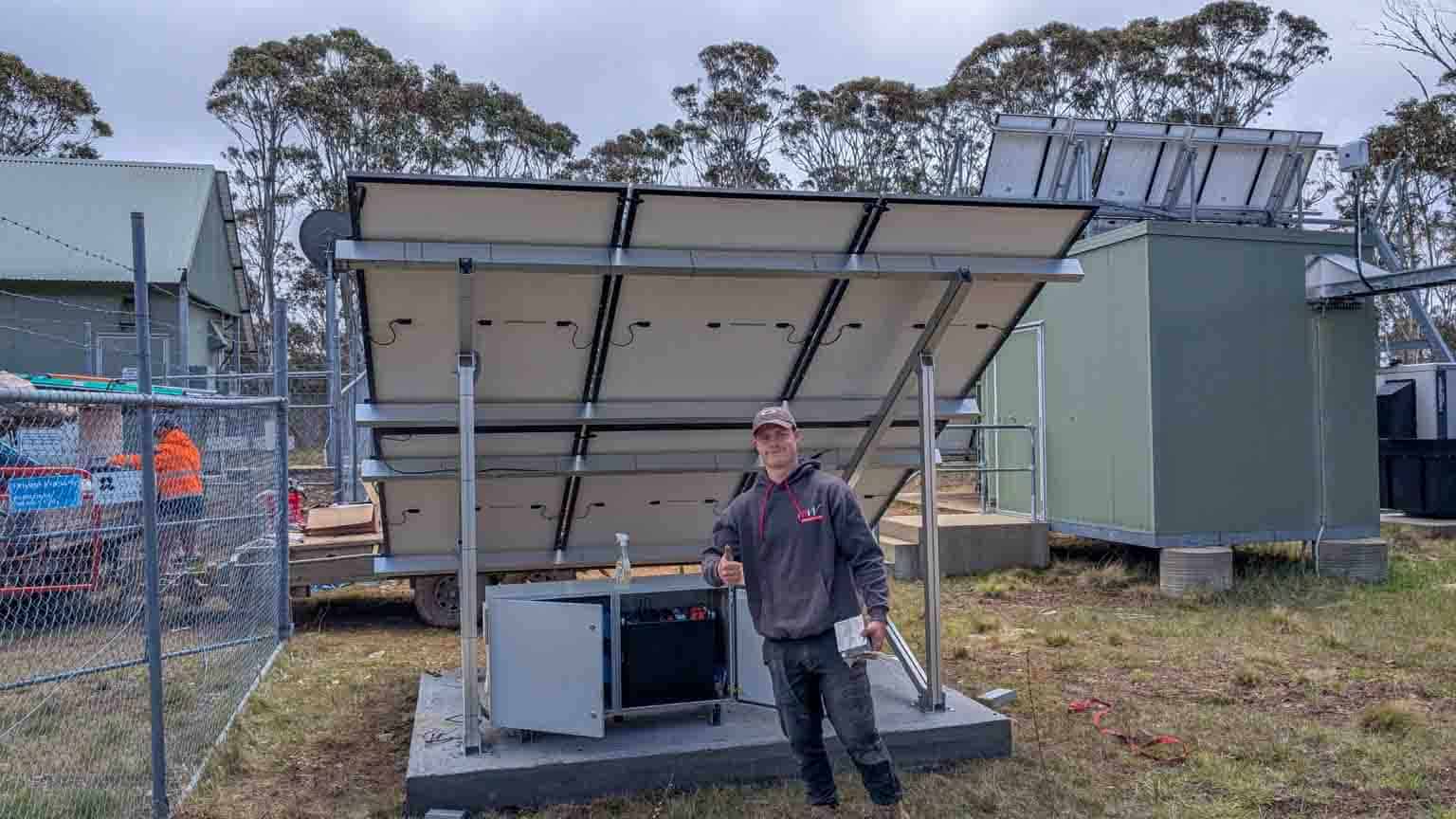
The Remote Sites, Real Variables, From Open Paddock to Steel Lookout
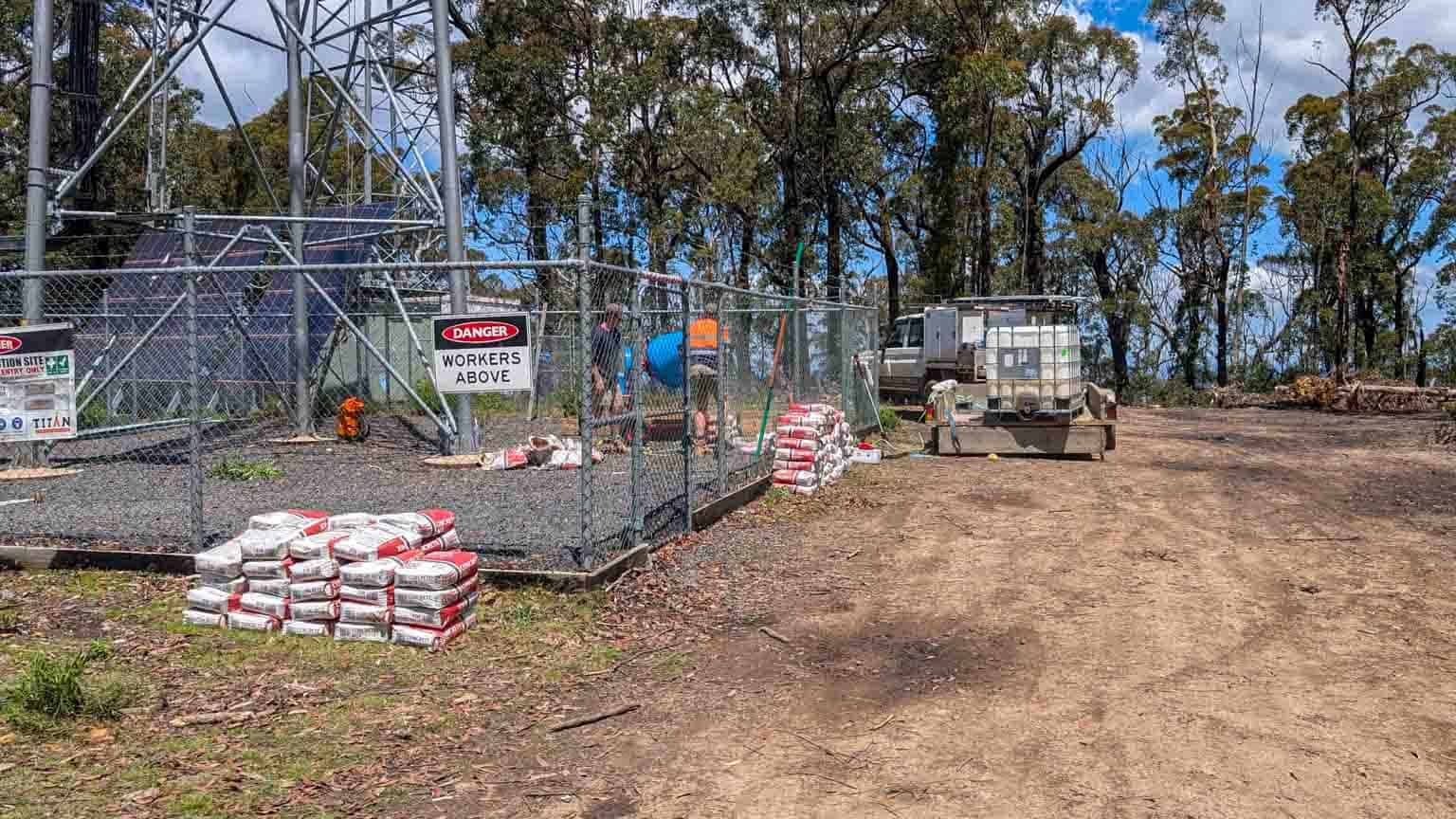
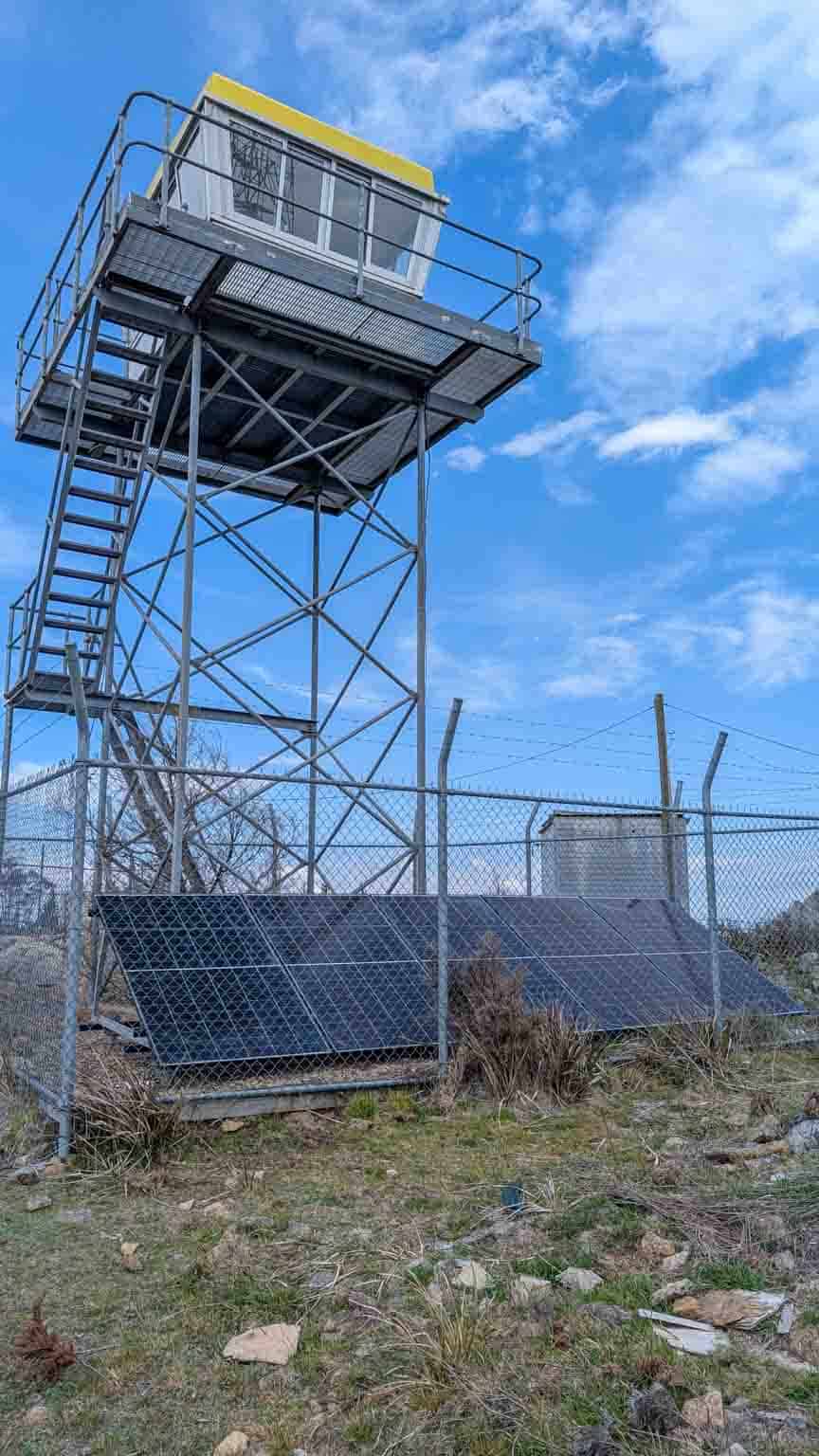
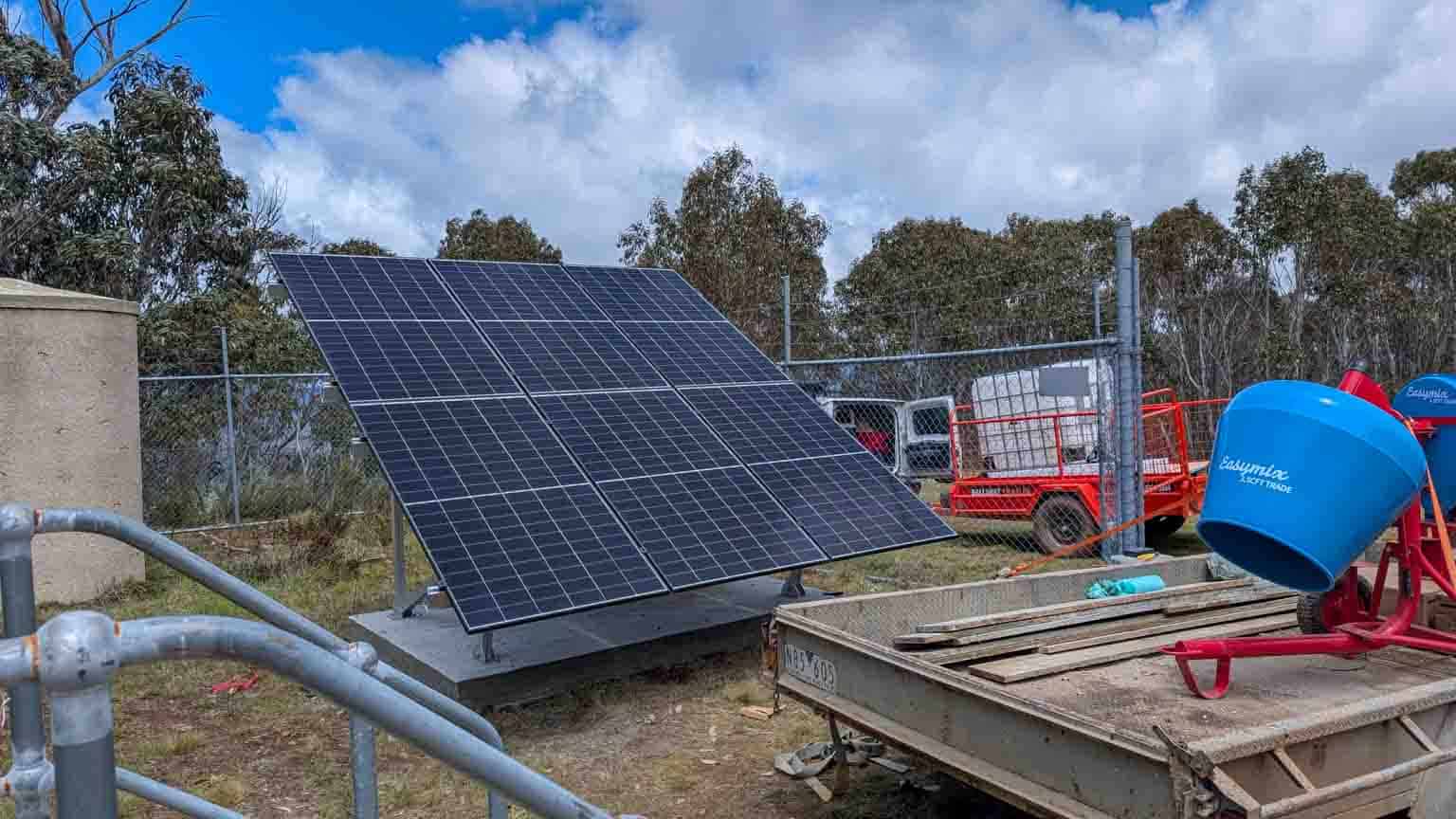
No two sites are the same. Some sit behind security fencing with clean, open ground, straightforward to lay out and commission. Others are tucked beneath tall steel lookout structures where shade angles, available footprint, and access logistics all have to be worked through before a panel goes in the ground.
One challenge common to the enclosed installations was thermal management. Equipment enclosures exposed to direct sunlight can trap heat, and in a system with no one on site to intervene, that risk has to be designed out. Component selection and enclosure positioning addressed this at each site before installation.
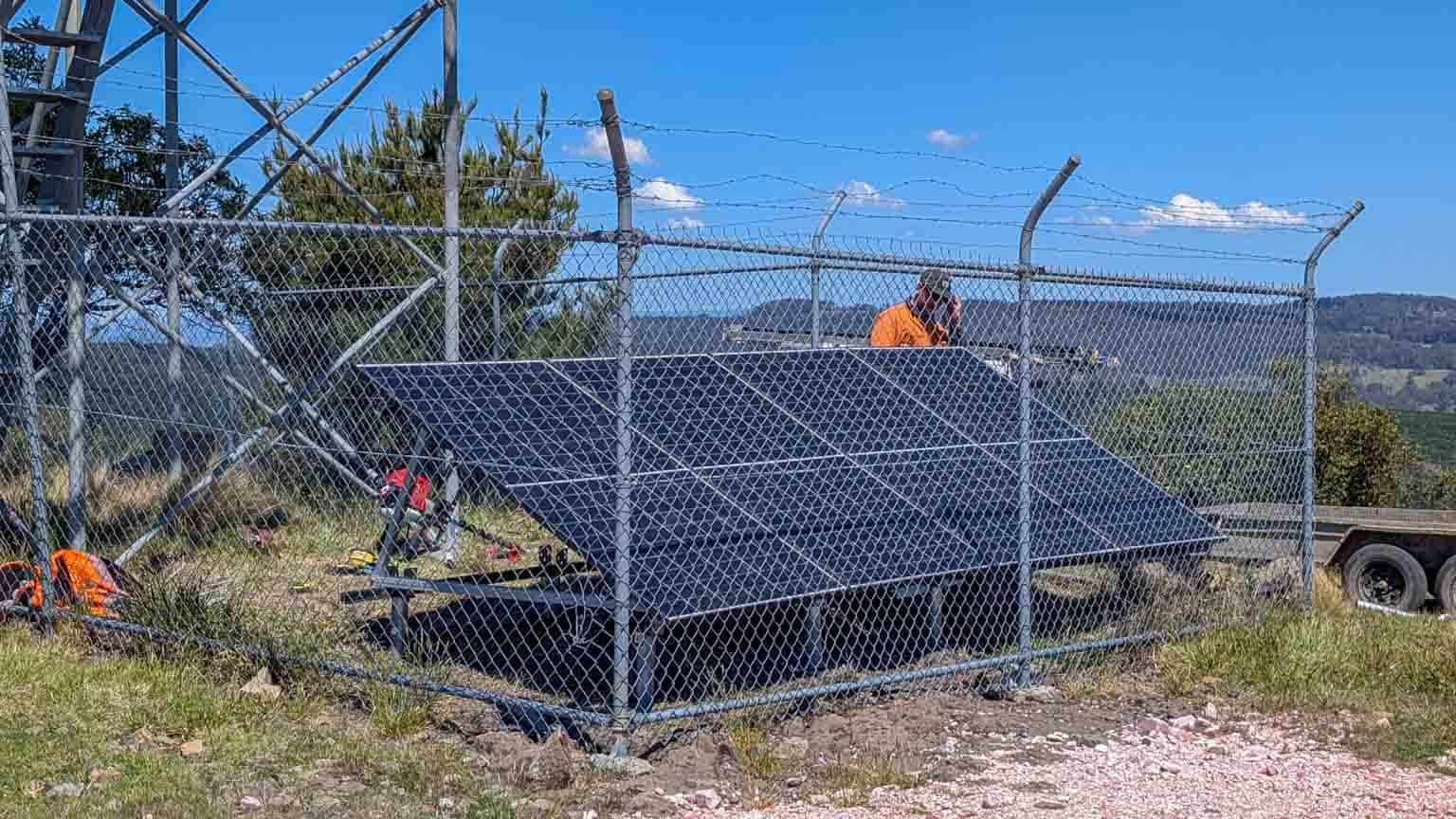
Continuous Power Across Three States, Zero Dependence on the Grid
Stable, autonomous power for monitoring equipment that runs continuously, day and night, summer and winter, with no fuel deliveries, no noise, and no grid dependency. The systems operate quietly in the background, supporting critical fire surveillance infrastructure across hundreds of kilometres of remote landscape.
This project is one of the more operationally demanding fleet deployments we’ve completed. Multi-state logistics, site variability, security access requirements, and the zero-tolerance nature of the end use, monitoring equipment that exists specifically because human attendance isn’t possible, meant every design and installation decision carried real weight.
The systems are in the field and performing.