Strong Solar Battery Uptake in the First Month of New Rebate Program
The Clean Energy Regulator’s Cheaper Home Batteries Program, launched on 1 July 2025, is delivering an early surge in demand. According to the latest figures:
- 19,592 battery systems were installed during July 2025, supporting a total of 344.1 MWh of capacity.
- The average battery size installed in that month was 18.2 kWh
This uptake aligns closely with your earlier estimate of about 19,000 installations and 18 kWh per installation.
💰 Financial Impact & Remaining Budget
- Rebate allotted per installation: approximately A$6,000
- Estimated cost committed so far:
19,592 installs × A$6,000 ≈ A$117.6 million - Total program funding: A$2.3 billion
- Remaining funds: approx. A$2.182 billion
⏱️ Duration at Current Uptake Rate
Assuming installations continue at this same rate (~19,600 per month):
- Monthly rebate outlay: ~A$117.6 million
- Program duration at this pace:
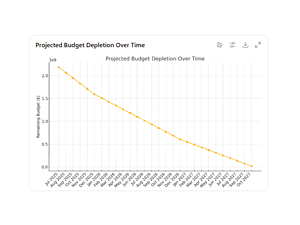
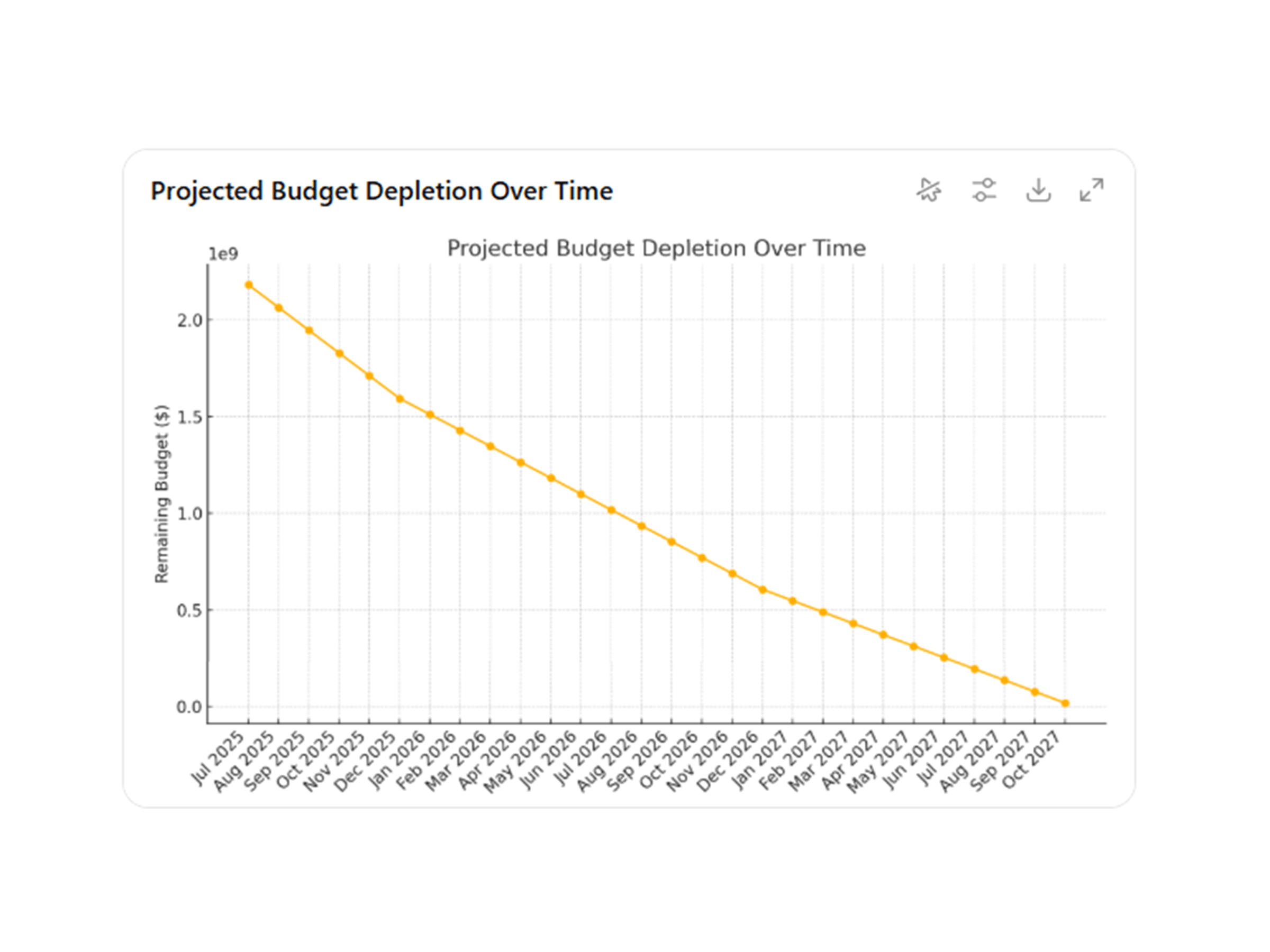
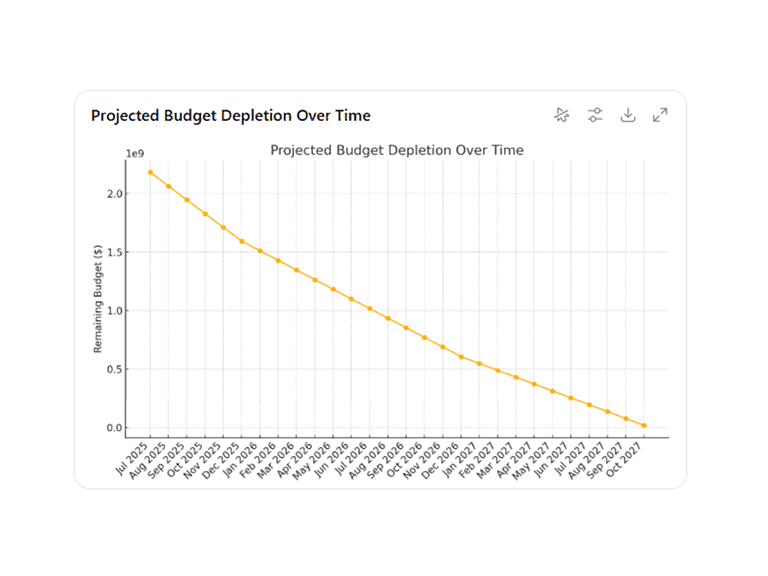
A$2.182 billion ÷ A$117.6 million ≈ 18.6 months - Projected exhaustion: Around December 2026 or January 2027, if uptake remains constant.
📉 When Uptake May Slow – Lessons from Past Programs
Drawing from earlier Australian solar and battery rebate schemes:
- Early Surge Followed by Slowdown – Initial months attract early adopters; after 3–6 months demand often tapers.
- Installer & Product Constraints – Shortages of installers, delays in grid approval or supply can reduce throughput
- Summer Holiday Dip – Installations typically slow in December–January, extending program duration.
- Market Saturation & Payback Realities – After the initial enthusiasm, more cautious consumers often pause purchases.
- Policy Adjustments – Rebate levels or eligibility criteria may be adjusted 12–18 months in, impacting demand.
If uptake declines by around 30% after six months (average ~14,000 installs/month):
- Monthly rebate draw: ~A$84 million
- Remaining funds (~A$2.182 billion) would last about 26 months, pushing program wrap-up to December 2027 or beyond.
📌 Key Milestones Summary
| Period | Install Rate (approx.) | Monthly Spend | Remaining Funds | Projected End |
|---|---|---|---|---|
| July 2025 | ~19,600 installs | A$117.6 M | A$2.182 B | |
| Aug–Dec 2025 (peak) | ~19,600/month | ~A$117.6 M/month | gradually aping | ~Dec 2026–Jan 2027 |
| Jan 2026 onwards (slow) | ~14,000/month (-30%) | ~A$84 M/month | ~A$2.182 B | ~Dec 2027 |