People from the cities move onto big properties with off-grid solar and often prioritise the house, fittings, shed, and garden—leaving the off-grid solar system to last. They don’t realise how quickly a dream home turns into a nightmare when the power runs out.
Generators in winter? Painful in practice.
Some think they can rely on a generator in winter—yes, you can, but in my experience it’s often unpleasant and unreliable. Forget fuel or need a service and it becomes a constant hassle.
Energy is the #1 investment.
Make the energy source your top priority. Whatever system the installer offers, **multiply it by two—or better, three—**if you want a comfortable life.
System design and cost (no compromises)
- Base load: 10 kWh just to cover the house (no people).
- People load: add 5 kWh per person and always size for a minimum of four people—even if there are only one or two of you now, one day your house could be on the market.
- Comfortable daily use: ~30 kWh/day. Ignore the “Australian average” of ~20 kWh/day—you’re not on the grid.
Battery and solar sizing
- Battery bank: 90 kWh for three days of autonomy (ideal, not a compromise).
- Winter reality: many parts of Australia (e.g., Gippsland and Ballarat) only get about 2 hours of usable sun in winter.
- Solar array: your panels should be able to recharge the 90 kWh bank in ~2 hours → roughly 45 kW of solar (usually rounded to the psychological 50 kW).
Inverter and topology
- Inverter power: to accommodate ~50 kW of panels, plan around a 25 kW inverter.
- Peak demand: ~50 A peak power is usually enough for most homes.
- Redundancy: design as two parallel systems for reliability.
Ideal off-grid setup (Australian home)
50 kW solar + 90 kWh batteries + 25 kW inverter, built as two parallel systems.
Cost guide (with current rebates)
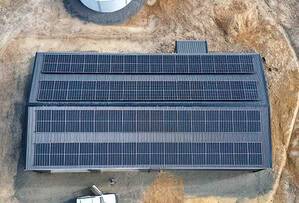
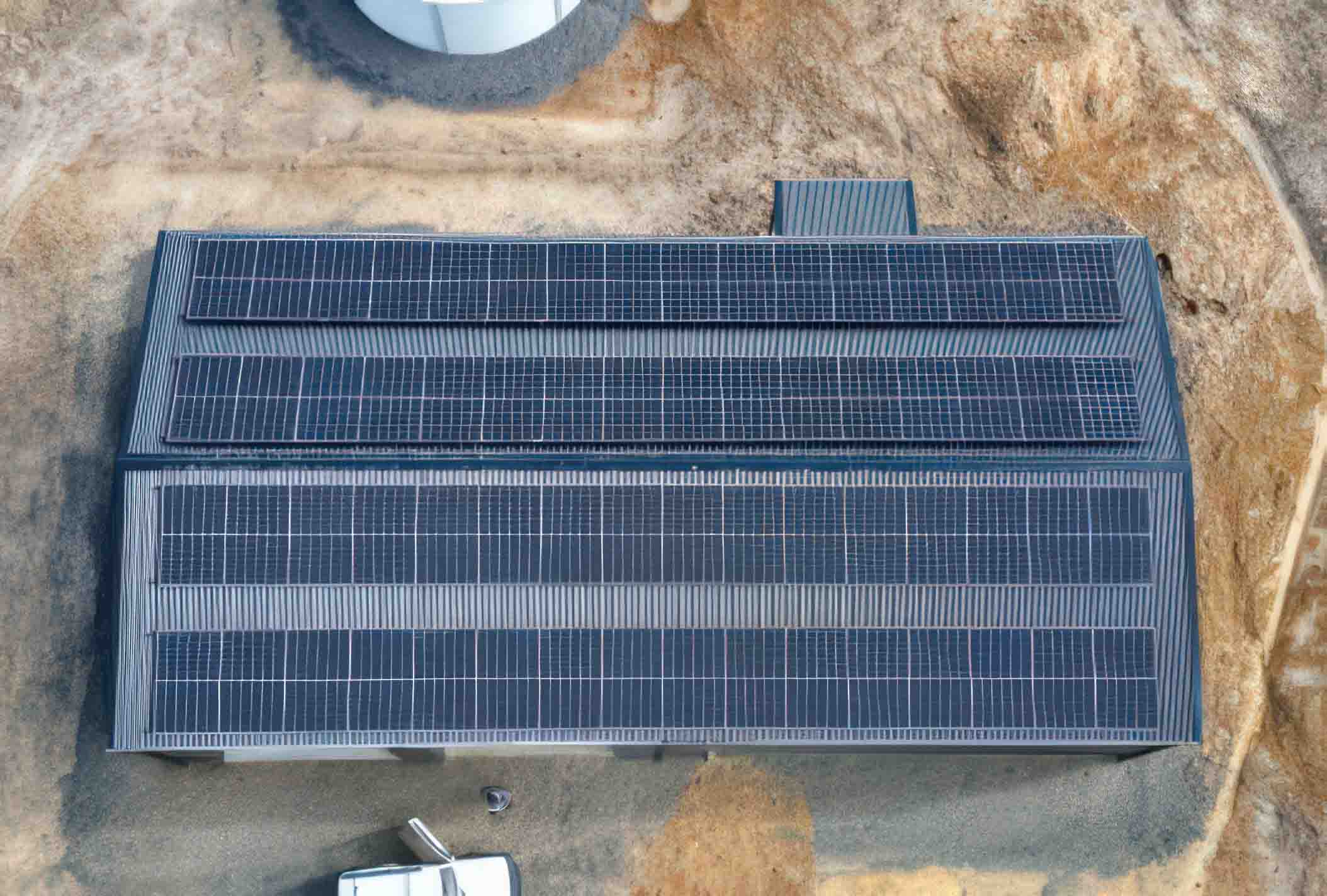
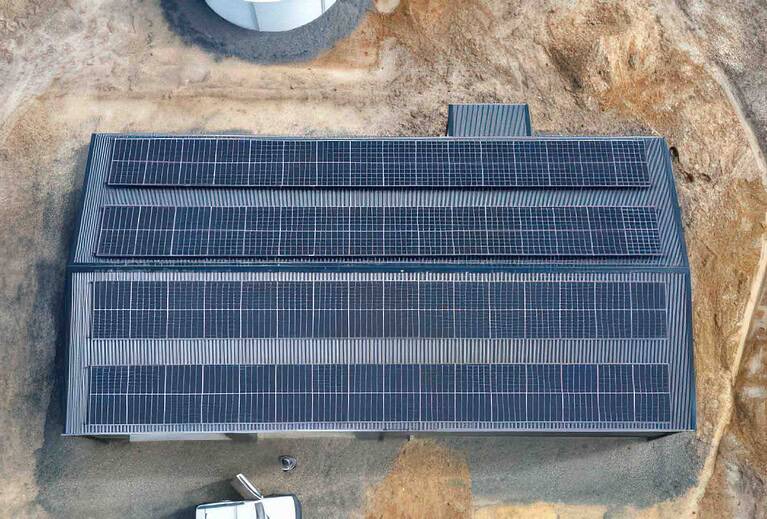
- Roof/shed mount: $80k–$90k out of pocket if your shed can take ~100 panels (each about 1.9 m × 1.16 m).
- Ground mount: $95k–$120k, depending on ground conditions.